There’s nothing quite like the joy of a perfectly baked pizza, fresh from the oven, bubbling with cheese and vibrant toppings. But the moment of truth often comes when it’s time to slice and serve. Using the wrong surface can lead to dull knives, bacterial concerns, or even a soggy crust – dimming the delight of your homemade masterpiece. A dedicated pizza cutting board is more than just a kitchen accessory; it’s an essential tool that ensures every slice is as perfect as the first, protecting your countertops and enhancing your serving experience. This comprehensive guide will help you navigate the world of pizza cutting boards, exploring different materials, their unique benefits, and how to choose the ideal board to elevate your pizza night.
Popular Types of Pizza Cutting Boards
When it comes to selecting a pizza cutting board, the material is paramount. Each type offers distinct advantages and disadvantages, impacting everything from knife longevity to hygiene and the final crispness of your crust.
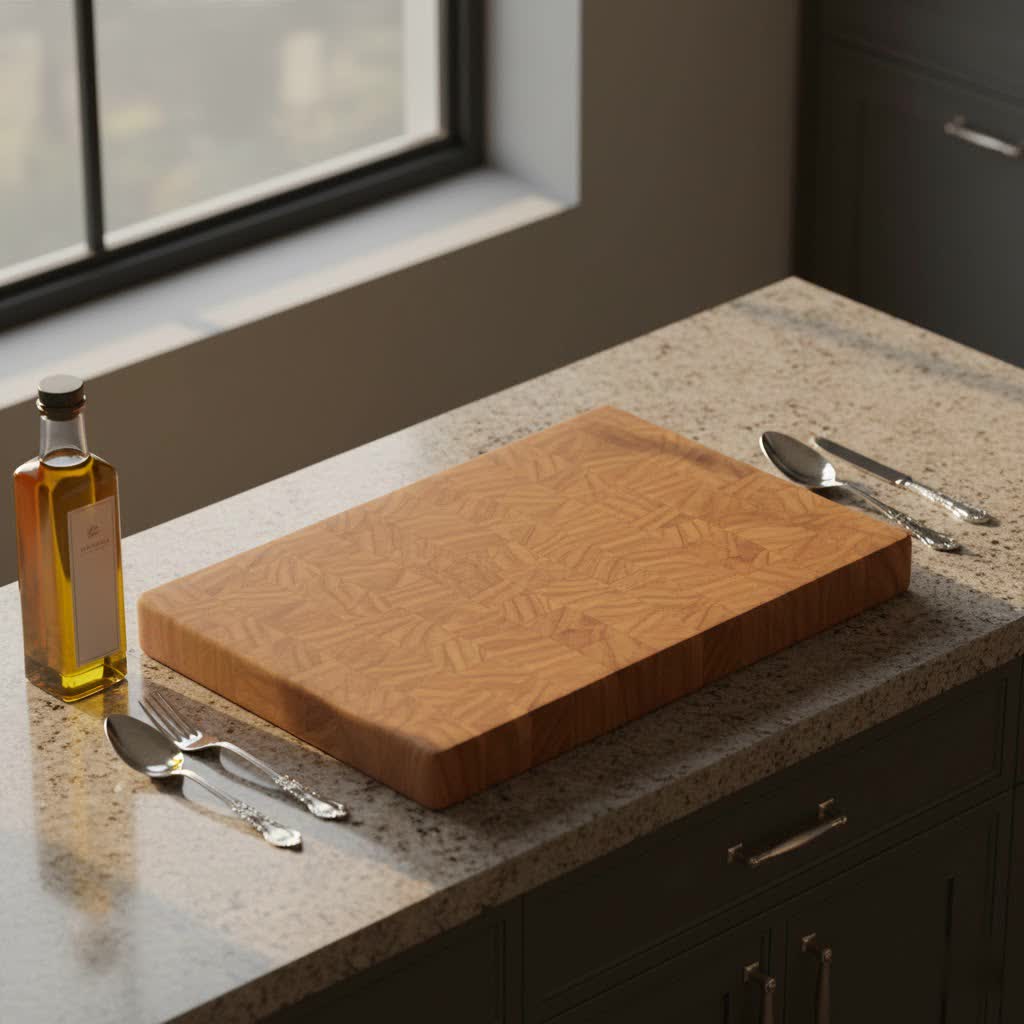
Wood Pizza Cutting Boards
Wood has long been a favorite in kitchens for its natural beauty and durability. For pizza, wooden boards are excellent for both cutting and serving.
- Advantages and Disadvantages: Wooden boards are naturally knife-friendly, meaning they won’t dull your pizza cutter as quickly as harder surfaces. They also possess natural antimicrobial properties. However, they require more maintenance than some other materials, needing regular oiling to prevent drying and cracking, and are not typically dishwasher-safe. Deep cuts can eventually harbor bacteria if not cleaned properly.
- Common Wood Types:
- Acacia: Known for its rich, varied grain and impressive durability. Acacia boards are often chosen for their aesthetic appeal and resistance to water.
- Maple: A popular choice due to its hardness, fine grain, and light color. Maple is highly durable and kind to knife edges, making it a professional favorite.
- Walnut: Offers a darker, elegant appearance with a tight grain. Walnut is also very durable and gentle on knives, often selected for its premium look.
- Beech: Often used for its even texture and strength. Beechwood is a good, reliable option that is easy to maintain.
- Care and Maintenance for Wood: To keep your wooden pizza board in top condition, hand wash it with mild soap and hot water immediately after use. Avoid soaking it, as this can lead to warping or cracking. Dry it thoroughly, and periodically apply food-grade mineral oil to keep the wood hydrated and protect its surface.
|
Our Picks for the Best Cutting Board in 2026
As an Amazon Associate I earn from qualifying purchases.
|
||
| Num | Product | Action |
|---|---|---|
| 1 | Checkered Acacia Wood Cutting Board for Kitchen – Wooden Chopping Board, Durable Checkered Charcuterie Board for Meat, Fruit, Cheese & Vegetables, 16" x 11" x 1" |

|
| 2 | Bamboo Cutting Boards for Kitchen [Set of 3] Wood Cutting Board for Chopping Meat, Vegetables, Fruits, Cheese, Knife Friendly Serving Tray with Handles |
|
| 3 | Bamboo Cutting Board for Kitchen Meal Prep & Serving, 3-Piece Wooden Set with Juice Grooves, Side Handles, Non-Slip Mats – Ideal for Meat, Veggies, Fruit – Ideal Gift for the Home |
|
| 4 | Extra Large Cutting Boards, Plastic Cutting Boards for Kitchen (Set of 3) Cutting Board Set Dishwasher Chopping Board with Juice Grooves Easy-Grip Handles, Dark Grey, Empune |
|
| 5 | GORILLA GRIP BPA-Free Reversible Kitchen Cutting Board Set of 3, US Designed, Nonporous, Juice Grooves Catch Liquid, Slip Resistant Border, Dishwasher Safe, Durable Large Food Chopping Boards, Black |
|
| 6 | Keechee Bamboo Cutting Board, Durable Wood Cutting Boards for Kitchen with Deep Juice Grooves & Built-in Handles, Ideal Charcuterie & Chopping for Meat, Vegetables and Fruits Ideal Kitchen Gifts |
|
| 7 | Acacia Wood Cutting Board with Handle, 16x8 Inch Large Kitchen Chopping Board for Meat and Cheese, Butcher Block Serving Tray for Charcuterie, Bread and Fruit |
|
| 8 | Titanium Cutting Board for Kitchen, Cutting Board Double Sided Food Grade, Pure Titanium/PP, Easy to Clean Large Size 16”×11” |
|
| 9 | Kikcoin Extra Large Bamboo Cutting Boards, (Set of 3) Chopping Boards with Juice Groove Bamboo Wood Cutting Board Set Butcher Block for Kitchen, End Grain Serving Tray |
|
| 10 | Bamboo Cutting Boards for Kitchen, Extra Large Wood Cutting Board with Deep Juice Groove and Handle Heavy Duty Chopping board, Kikcoin, 17.6" x 12" |
|
Bamboo Pizza Cutting Boards
Bamboo boards are often grouped with wood, but they are technically a grass. They offer an eco-friendly alternative with unique characteristics.
- Advantages and Disadvantages: Bamboo boards are highly sustainable, lightweight, and often more affordable than hardwood options. They are resistant to water and less porous than some woods, making them easier to clean. However, bamboo is denser than many woods and can be harder on your pizza cutter over time. Like wood, they are not dishwasher safe and can crack if not maintained.
- Sustainability and Eco-Friendliness: Bamboo grows incredibly fast and requires minimal water, making it an excellent renewable resource. Choosing a bamboo board contributes to sustainable kitchen practices.
- Cleaning and Maintenance for Bamboo: Similar to wood, hand washing with mild soap and water is recommended. Dry immediately and consider occasional oiling, though bamboo is generally less demanding than traditional hardwoods.
Plastic Pizza Cutting Boards
Plastic cutting boards are ubiquitous in kitchens worldwide, prized for their practicality.
- Advantages and Disadvantages: Plastic boards are affordable, lightweight, and, critically, often dishwasher-safe, allowing for thorough sanitization. They come in various colors, which can be useful for color-coding food types to prevent cross-contamination. The main drawback is that deep knife cuts can form grooves that are difficult to clean manually and can harbor bacteria, necessitating regular replacement for food safety. They also tend to scratch more easily than other materials.
- Common Plastic Types: High-density polyethylene (HDPE) and polypropylene (PP) are common choices for their durability and food-grade safety. Some are made from recycled poly.
- Considerations for Use: Always ensure your plastic board is BPA-free. While they can be a good option for general kitchen use, for pizza, be mindful of knife scarring and replace boards when they show significant wear to maintain hygiene.
Glass Pizza Cutting Boards
Glass cutting boards offer a sleek, modern look but come with significant caveats for pizza preparation.
- Advantages and Disadvantages: Glass boards are non-porous, making them exceptionally easy to clean and resistant to bacteria and stains. They are also heat-resistant and visually appealing. The major downsides are their extreme hardness, which will rapidly dull your pizza cutter, and their slippery surface, which can be unstable. They are prone to shattering if dropped.
- Heat Resistance and Ease of Cleaning: Glass handles hot temperatures well, which might seem appealing for pizza. Its non-porous surface means no odors or stains are absorbed, making cleaning a breeze.
- Usage Notes: Due to their knife-dulling properties and potential for slippage, glass boards are generally not recommended for cutting pizza. They are better suited as trivets or decorative serving platters where no cutting occurs.
Other Materials
While less common for primary pizza cutting, other materials exist:
- Marble: Elegant and provides a cool surface, ideal for working with dough. However, it’s very heavy, expensive, and can dull knives. The cold, non-porous surface can also trap steam, potentially leading to a soggy pizza crust if the pizza rests there too long.
- Stainless Steel: Extremely durable, non-porous, and hygienic. Like glass and marble, it is very hard on knives and can be noisy to cut on.
- Woodfiber/Composite: Often made from compressed wood fibers with resin. These boards are durable, non-porous, and typically dishwasher safe. They offer a good balance between the knife-friendliness of wood and the hygiene of synthetic materials.
- Silicone: Flexible and knife-friendly for lighter tasks. Silicone boards are great for general chopping of fruits and vegetables but may lack the rigidity needed for cutting a whole pizza effectively.
Pizza Peel vs. Pizza Cutting Board: Understanding the Difference
It’s common to confuse a pizza peel with a pizza cutting board, but they serve distinct purposes.
A pizza peel is a shovel-like tool used to transfer raw pizza dough into a hot oven (like a pizza stone or steel) and retrieve the cooked pizza. They often have long handles to keep hands away from high temperatures. Peels are typically made of thin wood, bamboo, or metal (aluminum).
A pizza cutting board, on the other hand, is primarily designed for slicing and serving your cooked pizza. These boards are generally thicker, sturdier, and often feature specific designs like round shapes or integrated grooves for presentation. While some wooden or bamboo peels can double as serving boards, it’s generally advised against cutting on a peel that is also used for launching pizzas. Knife marks on a peel can create a less non-stick surface, making it harder to slide raw dough off smoothly in the future. A dedicated cutting board ensures optimal performance for both tasks.
Comparison Table: Choosing Your Pizza Cutting Board
To help you decide, here’s a quick comparison of the most popular materials for pizza cutting boards:
| Feature | Wood | Bamboo | Plastic | Glass |
|---|---|---|---|---|
| Durability | High | High | Medium-High | High (but brittle) |
| Knife-Friendliness | Excellent | Good | Good | Very Poor |
| Hygiene/Cleanliness | Good (with care) | Very Good (with care) | Good (dishwasher safe) | Excellent (non-porous) |
| Prevents Soggy Crust | Good | Good | N/A | Poor (condensation risk) |
| Aesthetics | Excellent (natural) | Excellent (natural) | Moderate (functional) | High (modern) |
| Maintenance | High (oiling, hand wash) | Medium (occasional oil, hand wash) | Low (dishwasher safe) | Low (dishwasher safe) |
| Price Range | Medium to High | Low to Medium | Low | Low to Medium |
How to Choose the Perfect Pizza Cutting Board (Buying Guide)
Selecting the right pizza cutting board involves considering your personal cooking habits, kitchen space, and priorities.
1. Determine Your Usage Needs
- Cutting vs. Serving: Do you primarily need a board for just cutting, or also for an elegant presentation at the table? Many wooden and bamboo boards are designed to be beautiful serving platters.
- Frequency: If you make pizza frequently, investing in a high-quality, durable board makes sense.
- Pizza Size: Measure the largest pizza you typically make to ensure the board is adequately sized. Round boards are common for pizza, but rectangular boards can also work, especially if they have a good surface area.
- Space: Consider your kitchen and storage space. A large, thick hardwood board might be beautiful but heavy and challenging to store in a small kitchen.
2. Material Matters
- Safety First: Always prioritize food-grade, non-toxic materials (e.g., BPA-free plastic).
- Knife Care: If preserving the sharpness of your pizza cutter is a priority, opt for wood or bamboo. Avoid glass, marble, and stainless steel for cutting.
- Hygiene: If easy sanitization is your top concern, a dishwasher-safe plastic or woodfiber/composite board might be appealing, but remember to replace scarred plastic boards regularly. Wood and bamboo require diligent hand washing and drying.
- Preventing Soggy Crust: Wood or bamboo boards are generally better than non-porous materials like marble, as they can help absorb some moisture and allow for better airflow, reducing the chance of a soggy bottom. A brief resting period on a wire rack before transferring to the board also helps.
3. Size and Shape
- Round is Classic: A round pizza board is ideal for perfectly proportioned slicing and serving, mimicking the shape of the pizza itself.
- Handles: Boards with integrated handles or grooves make it easier to transfer the pizza from the oven (via a peel) to the board, and then to carry it to the table.
- Thickness: Thicker boards tend to be more durable and stable, less prone to warping, but also heavier.
4. Features to Look For
- Juice Grooves: While more common for meat carving, some pizza boards might feature shallow grooves, which can be useful for catching any stray sauce or oil.
- Non-Slip Feet: Rubber feet on the bottom can provide stability, preventing the board from sliding during cutting.
- Aesthetics: If you plan to serve directly on the board, consider one that complements your dining decor. Wood and bamboo offer a warm, rustic appeal.
5. Brand and Price
- Reputation: Research reputable brands known for quality cutting boards. Brands like John Boos for wood, or various specialized bamboo brands, often offer reliable products.
- Value: Don’t necessarily opt for the cheapest option. A slightly higher investment in a good quality board will likely pay off in durability, performance, and overall satisfaction.
6. Using and Maintaining Your Pizza Cutting Board
Proper care ensures the longevity and hygiene of your pizza cutting board.
- Clean Immediately: Wash your board promptly after each use to prevent food residue from drying and staining.
- Hand Wash vs. Dishwasher: Always hand wash wooden and bamboo boards with warm water and mild dish soap. Never put them in the dishwasher, as the high heat and prolonged moisture can cause warping, cracking, or splitting. Most plastic and woodfiber boards are dishwasher safe.
- Sanitize Periodically: For all board types, a diluted bleach solution (1 teaspoon bleach per quart of water) or white vinegar can be used to sanitize the surface after cleaning, followed by a thorough rinse.
- Dry Completely: Air dry wooden and bamboo boards upright or on a rack to allow even airflow, preventing moisture retention and warping.
- Oil Wood/Bamboo: Regularly apply food-grade mineral oil (or a beeswax/mineral oil blend) to wooden and bamboo boards. This conditions the wood, prevents drying, and helps maintain its natural resistance to moisture.
- Store Properly: Store boards in a dry, well-ventilated area, away from extreme heat or humidity.
> “A good pizza cutting board isn’t just a surface; it’s a foundation for crafting memorable pizza experiences, ensuring every slice is a testament to culinary joy.” – Chef Elena Rossi, Pizzeria Owner and Kitchenware Expert
Conclusion
Choosing the right pizza cutting board is a small decision that can significantly impact your pizza enjoyment. From the rustic charm and knife-friendly surface of wood and bamboo to the hygienic convenience of plastic, each material offers a unique set of benefits. By understanding your needs, prioritizing safety and knife care, and committing to proper maintenance, you can select a pizza cutting board that will be a reliable companion for countless delicious pizzas to come. So, which board will become the hero of your next pizza night?
Frequently Asked Questions
Can I use my everyday cutting board for pizza?
Yes, you can use your everyday cutting board for pizza, provided it’s large enough and made of a knife-friendly material like wood or bamboo. However, a dedicated pizza cutting board often offers a round shape and specific features that enhance the pizza cutting and serving experience.
What size pizza cutting board do I need?
Your pizza cutting board should be at least as large as your biggest pizza, typically 12 to 16 inches in diameter for a standard round pizza. This ensures ample space for cutting and serving without pizza slices falling off.
How do I prevent my pizza crust from getting soggy on the board?
To prevent a soggy crust, ensure your pizza rests on a wire cooling rack for a minute or two immediately after coming out of the oven. This allows steam to escape from the bottom crust before transferring it to the cutting board. Wooden or bamboo boards also offer better breathability than non-porous surfaces.
Are round pizza cutting boards better than rectangular ones?
Round pizza cutting boards are often preferred for pizza due to their aesthetic appeal, mirroring the shape of the pizza itself, and making it easier to cut even slices from the center. However, a rectangular board with sufficient surface area works just as well.
How often should I oil my wooden pizza board?
For a wooden pizza board, aim to oil it once a month, or more frequently if it sees heavy use or starts to look dry. This helps maintain the wood’s integrity, prevents cracking, and keeps it looking new.
