For any home cook or culinary enthusiast, a cutting board is more than just a kitchen tool; it’s a foundation for creativity and precision. Among the myriad options, the checkered cutting board stands out, not just for its striking visual appeal but also for its superior performance. These boards, often crafted from a thoughtful arrangement of contrasting wood types, offer a blend of artistry and robust functionality that enhances any kitchen.
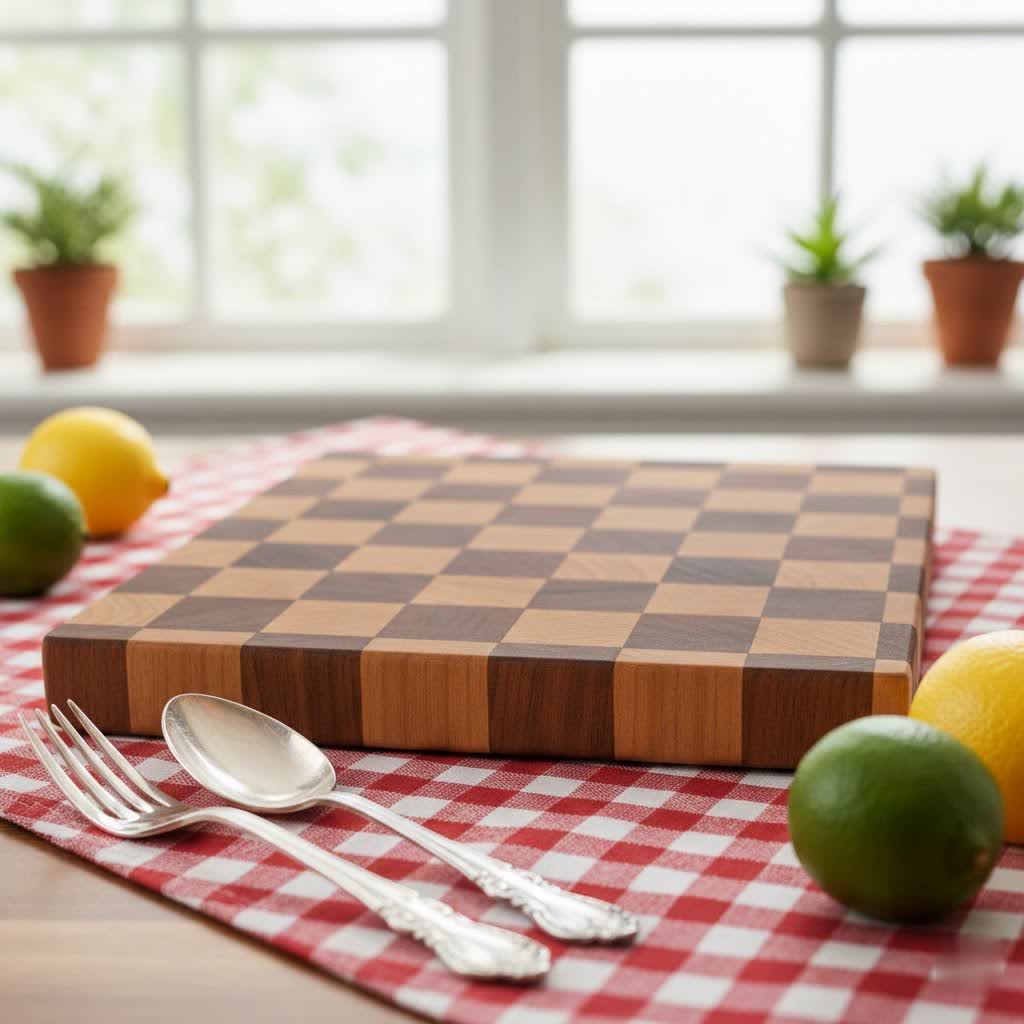
This comprehensive guide delves into the world of checkered cutting boards, exploring their unique construction, the best materials, comparison with other board types, and essential care tips to ensure your board remains a cherished kitchen staple for years to come.
Understanding the Art of Cutting Board Construction
The beauty and durability of a cutting board stem from its construction. Different methods orient wood fibers in distinct ways, impacting everything from knife sharpness to the board’s longevity. While “checkered” primarily describes an aesthetic pattern, it is intimately tied to a specific construction method, most notably the end-grain technique.
End-Grain Cutting Boards: The Checkered Masterpiece
End-grain cutting boards are the most common type to feature a distinctive checkered or mosaic pattern. This design is achieved by cutting individual blocks of wood and arranging them so that the end-grain (the part of the wood where the tree rings are visible) faces upwards, forming the cutting surface. These blocks are then meticulously glued together to create the desired pattern, often using contrasting woods like maple and walnut to accentuate the “checkerboard” look.
The vertical orientation of the wood fibers offers remarkable benefits:
- Knife-Friendly Surface: When a knife strikes an end-grain board, the blade glides between the wood fibers, rather than cutting across them. This “self-healing” action helps keep your knives sharper for longer, reducing the need for frequent honing or sharpening.
- Exceptional Durability and Longevity: The ability of the fibers to absorb knife impacts means the board is less prone to deep cuts, gouges, and visible scarring. This resilience significantly extends the board’s lifespan, allowing it to withstand years of heavy use.
- Aesthetic Appeal: Beyond functionality, the checkerboard pattern created by alternating wood types adds a sophisticated and artistic touch to your kitchen, often making these boards a beautiful display piece.
|
Our Picks for the Best Cutting Board in 2026
As an Amazon Associate I earn from qualifying purchases.
|
||
| Num | Product | Action |
|---|---|---|
| 1 | Bamboo Cutting Boards for Kitchen, Extra Large Wood Cutting Board with Deep Juice Groove and Handle Heavy Duty Chopping board, Kikcoin, 17.6" x 12" |

|
| 2 | Keechee Bamboo Cutting Board, Durable Wood Cutting Boards for Kitchen with Deep Juice Grooves & Built-in Handles, Ideal Charcuterie & Chopping for Meat, Vegetables and Fruits Ideal Kitchen Gifts |
|
| 3 | GORILLA GRIP BPA-Free Reversible Kitchen Cutting Board Set of 3, US Designed, Nonporous, Juice Grooves Catch Liquid, Slip Resistant Border, Dishwasher Safe, Durable Large Food Chopping Boards, Black |
|
| 4 | Checkered Acacia Wood Cutting Board for Kitchen – Wooden Chopping Board, Durable Checkered Charcuterie Board for Meat, Fruit, Cheese & Vegetables, 16" x 11" x 1" |
|
| 5 | Titanium Cutting Board for Kitchen, Cutting Board Double Sided Food Grade, Pure Titanium/PP, Easy to Clean Large Size 16”×11” |
|
| 6 | Bamboo Cutting Board for Kitchen Meal Prep & Serving, 3-Piece Wooden Set with Juice Grooves, Side Handles, Non-Slip Mats – Ideal for Meat, Veggies, Fruit – Ideal Gift for the Home |
|
| 7 | Acacia Wood Cutting Board with Handle, 16x8 Inch Large Kitchen Chopping Board for Meat and Cheese, Butcher Block Serving Tray for Charcuterie, Bread and Fruit |
|
| 8 | Kikcoin Extra Large Bamboo Cutting Boards, (Set of 3) Chopping Boards with Juice Groove Bamboo Wood Cutting Board Set Butcher Block for Kitchen, End Grain Serving Tray |
|
| 9 | Extra Large Cutting Boards, Plastic Cutting Boards for Kitchen (Set of 3) Cutting Board Set Dishwasher Chopping Board with Juice Grooves Easy-Grip Handles, Dark Grey, Empune |
|
| 10 | Bamboo Cutting Boards for Kitchen [Set of 3] Wood Cutting Board for Chopping Meat, Vegetables, Fruits, Cheese, Knife Friendly Serving Tray with Handles |
|
However, this intricate construction comes with certain considerations. End-grain boards are typically more expensive due to the labor-intensive manufacturing process. They also require more diligent maintenance, including regular oiling, to prevent them from drying out, absorbing excess moisture, and potentially warping or cracking.
Edge-Grain Cutting Boards
Edge-grain boards are constructed by gluing long strips of wood together with their edges facing up, creating a surface where the wood grain runs horizontally along the length of the board. While less common for a full checkerboard pattern, some designs might incorporate an “edge-grain checker stripe” using smaller end-grain blocks within a larger edge-grain surface.
- Pros: Generally more affordable and more stable than face-grain boards. They offer good durability and are still relatively kind to knife edges compared to harder materials.
- Cons: Knife marks are more visible over time as the blade cuts across the wood fibers, which can lead to dulling knives faster than an end-grain board.
Face-Grain Cutting Boards
Face-grain boards are made from wider planks of wood laid flat, showcasing the broad, beautiful surface grain. These are the simplest and most common type of wooden cutting board.
- Pros: Most affordable and often highlight the natural beauty of the wood’s grain.
- Cons: Least durable of the wood types as knives cut directly through the surface fibers, leading to quicker dulling of blades and more pronounced knife marks. They are also more susceptible to warping and splitting.
Popular Materials for Checkered Cutting Boards
The choice of wood greatly influences a checkered cutting board’s performance, durability, and appearance. For end-grain checkered boards, specific hardwoods with closed-grain structures are highly recommended.
- Hard Maple: Often considered the gold standard for cutting boards, hard maple is prized for its exceptional durability, tight grain, and resistance to scratches and bacterial growth. Its light color provides a stark contrast when paired with darker woods, making for striking checkerboard patterns. With a Janka hardness rating of around 1450, it offers an ideal balance of hardness for durability and softness for knife preservation.
- Walnut: A popular choice for its rich, dark chocolate tones and elegant appearance, walnut also boasts excellent strength and knife-friendliness. Its Janka hardness of approximately 1010 makes it gentler on blades while still being robust enough for heavy use. Walnut’s deep color provides a beautiful contrast with lighter woods like maple or cherry.
- Cherry: Offering warm, reddish-brown tones and a smooth texture, cherry wood is a beautiful option. It’s slightly softer than maple (Janka rating around 950), making it very kind to knives while still providing adequate durability and moisture resistance.
- Avoid: Woods with open grain structures, like oak, or softwoods such as pine and cedar, are generally unsuitable for cutting boards. Their porous nature can harbor bacteria and moisture, making them unhygienic and prone to damage.
Beyond Wood: A Quick Look at Other Cutting Board Materials
While wood, especially end-grain, is often the top choice for performance and aesthetics, it’s worth understanding how other materials stack up for different kitchen needs.
- Plastic Cutting Boards:
- Pros: Inexpensive, lightweight, and easy to sanitize, particularly useful for preparing raw meats to prevent cross-contamination. Many are dishwasher safe.
- Cons: Can be deeply scored by knives, creating grooves where bacteria can hide. They wear out over time and may release microplastics into food. Requires regular replacement.
- Bamboo Cutting Boards:
- Pros: Eco-friendly, sustainable, and naturally water-resistant.
- Cons: Denser and harder than many hardwoods, which can be tougher on knife edges, leading to quicker dulling. Prone to splitting if not properly maintained.
- Glass or Stone Cutting Boards:
- Pros: Highly hygienic, non-porous, and easy to clean.
- Cons: Extremely hard on knife blades, causing them to dull very quickly. They offer no shock absorption, increasing the risk of blade damage, and can chip or break if dropped.
- Rubber Cutting Boards:
- Pros: Professional-grade, non-porous, knife-friendly due to their softer, absorbent surface, and excellent for food safety.
- Cons: Not typically dishwasher safe and require thorough hand-washing. Can be heavier and more expensive than plastic.
Choosing Your Ideal Checkered Cutting Board: A Buying Guide
Investing in a high-quality checkered cutting board is a decision that impacts your daily cooking experience. Here’s what to consider to make the perfect choice:
Determine Your Usage Needs
- What will you be cutting? If you frequently chop vegetables, carve meats, or prepare a variety of ingredients, a durable, knife-friendly end-grain board is ideal. For occasional light tasks, a smaller board might suffice.
- Size and Thickness: Consider your kitchen counter space and the scale of your cooking. A board at least 1.5 inches thick offers greater stability and durability. Larger boards (18×24 inches) are perfect for carving roasts, while smaller ones (10×14 inches) are handy for quick tasks.
- Budget: Checkered end-grain boards are an investment. Set a realistic budget, understanding that quality often correlates with longevity and performance.
Material and Construction Matters
- End-Grain First: For the true checkered aesthetic and superior benefits, prioritize end-grain construction.
- Wood Selection: Choose reputable hardwoods like hard maple, walnut, or cherry. These offer the best balance of density, grain structure, and visual appeal for your checkered pattern. Avoid open-pored woods that can trap bacteria.
Features to Look For
- Juice Grooves: Essential for boards used to cut juicy fruits or meats, these channels prevent liquids from spilling onto your countertop.
- Handles or Finger Grooves: These make lifting, moving, and cleaning heavier boards much easier and safer.
- Food-Safe Finish: Ensure the board comes pre-seasoned with a food-safe mineral oil or wax, indicating it’s ready for immediate use and properly protected.
Mastering the Care and Maintenance of Your Checkered Board
Proper care is paramount to preserving the beauty and functionality of your checkered cutting board. With a little attention, it can last a lifetime.
- Immediate Cleaning: After each use, hand wash your board promptly with warm water and a mild dish soap.
- No Soaking, No Dishwasher: Never submerge your board in water or put it in a dishwasher. Excessive moisture is the enemy of wood, leading to warping, cracking, and damage to the glue joints.
- Thorough Drying: Dry the board immediately with a clean cloth. Allow it to air dry completely, ideally on its edge, to ensure even air circulation on all sides.
- Regular Oiling: Season your board regularly (monthly or bi-monthly, depending on usage) with food-grade mineral oil or a specialized board cream. This replenishes moisture, prevents drying and cracking, and maintains its protective barrier. Apply generously, let it soak in for several hours (or overnight), then wipe off any excess.
- Sanitizing: For deeper cleaning or to remove odors, use natural solutions. A paste of coarse salt and lemon juice, or a spray of white vinegar, can effectively sanitize and refresh the wood.
Conclusion
A checkered cutting board is more than just a surface for slicing and dicing; it’s a statement piece that combines timeless aesthetic appeal with unparalleled culinary performance. By understanding the advantages of end-grain construction and choosing quality hardwoods like maple, walnut, or cherry, you invest in a tool that is exceptionally gentle on your knives, remarkably durable, and a joy to behold. While it requires a bit of consistent care, the longevity and benefits far outweigh the effort, making it a truly valuable addition to any kitchen. Elevate your cooking experience and make a wise choice for your culinary space – your knives, and your countertops, will thank you.
What culinary masterpiece will you create on your new checkered cutting board?
Frequently Asked Questions
What makes a cutting board “checkered”?
A cutting board is typically “checkered” due to its end-grain construction, where small blocks of different wood types (often maple and walnut) are arranged with their end fibers facing up and then glued together. The contrasting colors of the wood species create the distinct grid or checkerboard pattern.
Are checkered (end-grain) cutting boards better for knives?
Yes, checkered end-grain cutting boards are considered superior for knife preservation. Their vertical wood fibers allow knife blades to slide between them, akin to cutting into a brush, rather than directly across them. This action reduces wear on your knife’s edge, keeping it sharper for a longer period.
How often should I oil my checkered cutting board?
The frequency of oiling depends on usage, but a good rule of thumb is every 2-4 weeks. If your board looks dry, feels rough, or colors appear faded, it’s time for more oil. Consistent oiling with food-grade mineral oil prevents the wood from drying out, cracking, and helps maintain its resistance to moisture.
Can I put my checkered cutting board in the dishwasher?
Absolutely not. Dishwashers subject cutting boards to prolonged exposure to high heat and water, which can severely damage the wood, leading to warping, cracking, and degradation of the glue joints. Always hand wash your checkered cutting board with warm, soapy water and dry it immediately.
Why are checkered cutting boards more expensive?
Checkered cutting boards, especially those with end-grain construction, are more expensive due to the complex and labor-intensive manufacturing process. It involves precise cutting, arranging, and gluing of many small wood blocks, as well as extensive sanding and finishing, which requires significant skilled craftsmanship and time compared to simpler board constructions.
