For any home cook or professional chef, a cutting board is more than just a surface; it’s the foundation of countless culinary creations. While smaller plastic or bamboo boards might serve simple tasks, investing in a large wood cutting board can profoundly transform your kitchen experience. These substantial workhorses offer unparalleled workspace, protection for your prized knives, and a timeless aesthetic that elevates any kitchen.
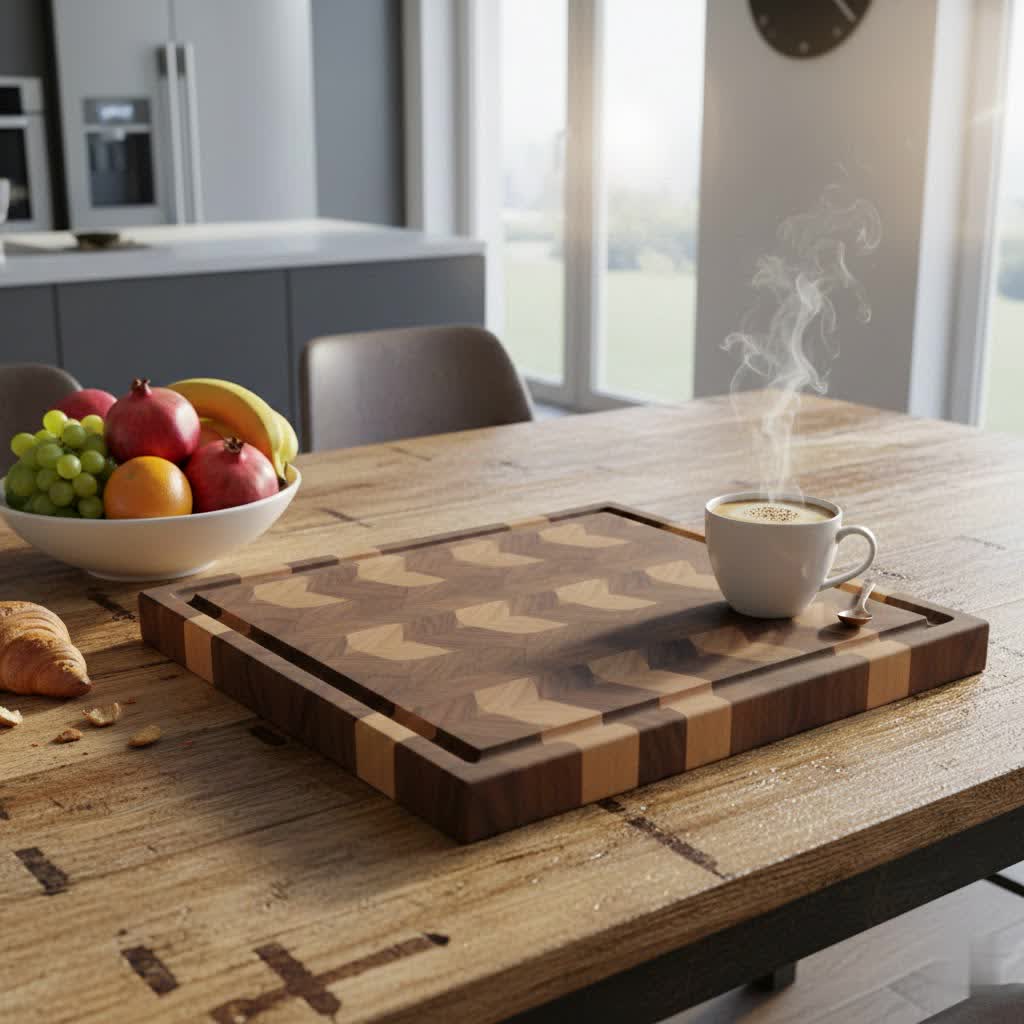
A truly great large wood cutting board provides ample space to comfortably prep multiple ingredients without constant clearing, carve large roasts with confidence, and even double as a stunning serving platter. But with so many options available, how do you choose the right one, and how do you ensure it lasts a lifetime? This comprehensive guide will walk you through everything you need to know about large wood cutting boards, from understanding different types and materials to essential care tips that will keep your board beautiful and functional for years to come.
Popular Types of Cutting Boards
Before diving into the specifics of large wood cutting boards, it’s helpful to understand the landscape of cutting board materials available today and how they stack up against each other. Each material has distinct advantages and disadvantages that influence its suitability for various kitchen tasks.
Wood Cutting Boards
Wood cutting boards are a timeless choice, revered for their durability, aesthetic appeal, and knife-friendly nature. They offer a stable, robust surface that handles heavy-duty chopping and carving with ease. However, they do require consistent care to maintain their condition and longevity.
- Pros: Wood is gentle on knife edges, helping them stay sharper longer. Many woods possess natural antimicrobial properties, contributing to a more hygienic surface. Their substantial weight provides excellent stability during use, preventing slips and wobbles. Beyond functionality, the natural grain and warm tones of wood add significant aesthetic value to a kitchen, often serving as a decorative piece or elegant serving platter.
- Cons: Wood boards require regular maintenance, including oiling, to prevent drying, warping, and cracking. They are generally heavier and bulkier, which can make them more challenging to clean and store. They are also not dishwasher-safe and prolonged exposure to water can cause damage.
- Common Wood Types for Cutting Boards: The best wood types for cutting boards strike a balance between hardness and flexibility, ensuring durability without dulling knives.
- Maple: Often considered the “gold standard” for cutting boards, particularly hard rock maple. It has a tight, closed grain that resists moisture and bacteria, and its ideal hardness rating (around 1450 on the Janka scale) is perfect for knife preservation.
- Walnut: A beautiful hardwood with rich, dark tones. Walnut has a Janka rating of about 1010, making it very knife-friendly while still being adequately durable and resistant to moisture. Its darker color helps hide stains.
- **Cherry: Softer than maple but still a good choice with a Janka rating of about 950. It offers adequate durability and is gentle on knives, developing a beautiful patina over time.
- Teak: A tropical hardwood known for its high oil content, making it naturally resistant to water and bacteria. While durable, some varieties can be harder on knives due to silica content. It’s often sourced sustainably.
- Acacia: A popular and often more affordable option. Its dense grain can be very durable and moisture-resistant, though quality can vary widely. It tends to be slightly softer than maple, making it reasonably knife-friendly.
- Grain Construction:
- End-Grain: These boards are made by arranging small blocks of wood so that the end-grain (the part where tree rings are visible) faces up. Knives slide between the wood fibers, rather than cutting across them, which acts like self-healing and keeps knives sharper. This construction is incredibly durable, resistant to warping, and less prone to showing knife marks.
- Edge-Grain: Constructed from long strips of wood glued together with the edge grain facing up. These are durable and offer a classic look but can be harder on knives over time as the blade cuts directly across the wood fibers. They are typically more affordable than end-grain boards.
|
Our Picks for the Best Cutting Board in 2026
As an Amazon Associate I earn from qualifying purchases.
|
||
| Num | Product | Action |
|---|---|---|
| 1 | Checkered Acacia Wood Cutting Board for Kitchen – Wooden Chopping Board, Durable Checkered Charcuterie Board for Meat, Fruit, Cheese & Vegetables, 16" x 11" x 1" |

|
| 2 | Bamboo Cutting Boards for Kitchen [Set of 3] Wood Cutting Board for Chopping Meat, Vegetables, Fruits, Cheese, Knife Friendly Serving Tray with Handles |
|
| 3 | Keechee Bamboo Cutting Board, Durable Wood Cutting Boards for Kitchen with Deep Juice Grooves & Built-in Handles, Ideal Charcuterie & Chopping for Meat, Vegetables and Fruits Ideal Kitchen Gifts |
|
| 4 | Titanium Cutting Board for Kitchen, Cutting Board Double Sided Food Grade, Pure Titanium/PP, Easy to Clean Large Size 16”×11” |
|
| 5 | Bamboo Cutting Boards for Kitchen, Extra Large Wood Cutting Board with Deep Juice Groove and Handle Heavy Duty Chopping board, Kikcoin, 17.6" x 12" |
|
| 6 | Extra Large Cutting Boards, Plastic Cutting Boards for Kitchen (Set of 3) Cutting Board Set Dishwasher Chopping Board with Juice Grooves Easy-Grip Handles, Dark Grey, Empune |
|
| 7 | Acacia Wood Cutting Board with Handle, 16x8 Inch Large Kitchen Chopping Board for Meat and Cheese, Butcher Block Serving Tray for Charcuterie, Bread and Fruit |
|
| 8 | GORILLA GRIP BPA-Free Reversible Kitchen Cutting Board Set of 3, US Designed, Nonporous, Juice Grooves Catch Liquid, Slip Resistant Border, Dishwasher Safe, Durable Large Food Chopping Boards, Black |
|
| 9 | Bamboo Cutting Board for Kitchen Meal Prep & Serving, 3-Piece Wooden Set with Juice Grooves, Side Handles, Non-Slip Mats – Ideal for Meat, Veggies, Fruit – Ideal Gift for the Home |
|
| 10 | Kikcoin Extra Large Bamboo Cutting Boards, (Set of 3) Chopping Boards with Juice Groove Bamboo Wood Cutting Board Set Butcher Block for Kitchen, End Grain Serving Tray |
|
Plastic Cutting Boards
Plastic boards are ubiquitous in many kitchens due to their low cost and ease of cleaning.
- Pros: Lightweight, often dishwasher-safe, and inexpensive. They come in various colors, allowing for color-coding to prevent cross-contamination (e.g., one for meat, one for vegetables).
- Cons: Plastic is notoriously hard on knife edges, leading to quicker dulling. Over time, plastic develops deep grooves that can harbor bacteria and are difficult to sanitize effectively, even in a dishwasher. They are also prone to warping and sliding on countertops.
Bamboo Cutting Boards
Often marketed as an eco-friendly alternative, bamboo has gained popularity.
- Pros: Sustainable, fast-growing, and often more affordable than hardwood. It’s relatively hard and moisture-resistant.
- Cons: Despite being a “wood,” bamboo is actually a grass, and its fibers are very hard and dense. This makes it particularly harsh on knife edges, dulling them quickly. Bamboo boards are typically made from glued-together strips, and the glue lines can weaken over time, leading to cracking and splintering.
Glass Cutting Boards
While visually appealing to some, glass cutting boards are generally discouraged for everyday kitchen use.
- Pros: Non-porous, extremely easy to clean, and heat-resistant.
- Cons: Glass is unforgivingly hard on knives, dulling them almost instantly and potentially causing damage to the blade. It’s also very slippery, posing a safety risk.
Comparison Table of Cutting Board Materials
| Feature | Wood (End-Grain) | Wood (Edge-Grain) | Plastic (HDPE/PP) | Bamboo | Glass |
|---|---|---|---|---|---|
| Durability | Excellent (self-healing, resistant to warping) | Very Good (solid, but can warp if not cared for) | Fair (scratches, harbors bacteria) | Good (dense, but can crack) | Excellent (non-porous, scratch-resistant) |
| Knife-Friendly | Excellent (preserves sharpness) | Good (better than plastic, but not as good as end-grain) | Poor (dulls knives quickly) | Poor (very hard, dulls knives quickly) | Very Poor (damages knives) |
| Hygiene | Very Good (natural antimicrobial, closed grain) | Very Good (natural antimicrobial, closed grain) | Fair (harbors bacteria in grooves) | Good (dense, less porous) | Excellent (non-porous) |
| Maintenance | High (oiling, hand wash, dry properly) | Medium (oiling, hand wash, dry properly) | Low (dishwasher safe) | Medium (oiling, hand wash, dry properly) | Very Low (dishwasher safe) |
| Aesthetics | Excellent (natural, elegant) | Excellent (classic, natural) | Poor (utilitarian) | Good (natural, often lighter) | Good (modern, clear) |
| Price | High | Medium | Low | Low to Medium | Low |
| Best Use | All-purpose, carving, presentation | All-purpose, slicing | Separate tasks, raw meat (replaceable) | Light prep, serving (with caution) | Serving, trivet (avoid cutting) |
Why Choose a Large Wood Cutting Board?
While any cutting board provides a surface for food prep, a large wood cutting board offers distinct advantages that elevate the cooking experience. For those who frequently cook, entertain, or tackle larger culinary projects, the benefits are clear.
Ample Workspace & Stability
One of the most immediate and appreciated benefits of a large wood cutting board is the sheer amount of usable surface area it provides. This extra space is invaluable when:
- Prepping large quantities: No more constantly moving chopped vegetables or herbs to a separate bowl. You can keep everything on the board, making prep more efficient.
- Handling bulky ingredients: A full chicken, a large roast, a watermelon, or a pile of leafy greens all fit comfortably without teetering precariously.
- Multi-tasking: You can dedicate one section for chopping vegetables and another for slicing meat, minimizing cross-contamination and streamlining your workflow.
The substantial weight and non-slip nature of a thick wood board ensure it stays firmly in place, providing a secure and safe platform for even the most vigorous chopping.
Enhanced Knife Protection
Your knives are a significant investment, and a quality cutting board is crucial for their longevity. Wood, especially end-grain construction, is remarkably gentle on knife edges. Unlike harder surfaces that cause blades to collide and dull rapidly, wood fibers allow the knife to glide between them, preserving the blade’s razor sharpness. This means less frequent sharpening, extending the life of your knives and saving you time and effort.
Natural Hygiene & Aesthetics
Many hardwoods, such as maple and walnut, possess natural antimicrobial properties, making them a hygienic choice for food preparation. Their closed-grain structures also resist moisture absorption, reducing the risk of bacterial growth.
Beyond hygiene, the inherent beauty of wood brings warmth and sophistication to any kitchen. A large wood cutting board isn’t just a tool; it’s a statement piece. It can seamlessly transition from a practical prep surface to an elegant serving platter for charcuterie, cheeses, bread, or carved meats, making it incredibly versatile for entertaining.
Durability & Longevity
With proper care, a well-made large wood cutting board is an investment that can last for decades, even becoming a cherished heirloom. Thicker boards, typically 1.5 inches or more, are particularly resistant to warping, cracking, and splitting because of their robust structure. While they might require a bit more attention in terms of maintenance, their enduring quality and performance far outweigh the initial effort.
How to Choose the Perfect Large Wood Cutting Board
Selecting the ideal large wood cutting board involves considering several factors that align with your cooking habits, kitchen space, and personal preferences.
Determine Your Needs
Before you start browsing, take a moment to assess how you’ll primarily use the board:
- Primary Use: Will it be for heavy-duty carving of meats, general vegetable chopping, dough preparation, or mainly for serving?
- Kitchen Space: Measure your available countertop space, both for active use and for storage. A large board needs a home!
- Storage: Can it be stored flat, on its edge, or hung? Consider the weight if you need to move it frequently.
- Budget: High-quality wood boards can be a significant investment, but their longevity often makes them cost-effective in the long run.
Wood Material & Grain Type
As discussed, the type of wood and its grain construction are critical for performance and durability:
- Wood Species:
- Maple: Excellent all-around choice for durability, hygiene, and knife-friendliness.
- Walnut: A beautiful, softer option that is also very kind to knives and hides marks well.
- Cherry: Good performance, develops a lovely color with age.
- Teak/Acacia: Can be good options, but scrutinize quality and hardness to ensure they won’t dull knives excessively.
- Grain Construction:
- End-grain: Highly recommended for optimal knife care, self-healing properties, and resistance to warping. It’s often more expensive but a superior long-term investment.
- Edge-grain: A durable and more affordable alternative, suitable for general use, but may show knife marks more readily and be slightly harder on blades.
Size and Thickness
“Large” can mean different things, but for a truly functional large wood cutting board, aim for:
- Dimensions: Common large sizes range from 18×12 inches up to 24×18 inches or even larger for dedicated butcher blocks. Consider what fits your counter space and sink for cleaning.
- Thickness: Look for boards that are at least 1.25 inches thick, with 1.5 to 2.5 inches being ideal for stability and longevity. Thicker boards are less prone to warping and provide a more substantial, immovable work surface.
Features & Brands
- Juice Grooves: Essential for carving meats, these channels catch liquids and prevent messes on your countertop.
- Handles/Finger Grips: If you plan to move your large board frequently, integrated handles or routed finger grips can make transport much easier.
- Feet: Some boards come with rubber feet to prevent slipping and allow airflow underneath, though this makes them non-reversible.
- Reputable Brands: Brands like John Boos, The Boardsmith, and Teakhaus are well-regarded for their quality craftsmanship and durable wood cutting boards. Reading reviews from experienced users can also provide valuable insights.
Essential Care and Maintenance for Your Large Wood Cutting Board
Proper care is paramount to ensuring your large wood cutting board remains a hygienic, beautiful, and functional kitchen staple for decades. Neglecting maintenance can lead to warping, cracking, and bacterial buildup.
Daily Cleaning
After each use, thorough and immediate cleaning is essential:
- Scrape off residue: Use a bench scraper or spatula to remove any food bits.
- Hand wash: Clean the board with warm water and a mild dish soap. Use a soft sponge or cloth rather than abrasive scrubbers, which can damage the wood grain. Make sure to wash both sides to prevent uneven moisture absorption, which can lead to warping.
- Rinse thoroughly: Remove all soap residue.
- Dry immediately: Wipe the board thoroughly with a clean, dry towel. Do not let it air dry flat, as prolonged contact with moisture can cause warping and mold.
Never put a wooden cutting board in the dishwasher or leave it soaking in a sink. The intense heat, harsh detergents, and prolonged exposure to water in a dishwasher will dry out the wood, causing it to warp, crack, and potentially harbor bacteria. Soaking can have similar detrimental effects.
Sanitizing & Odor Removal
For a deeper clean or to eliminate lingering odors, these natural methods are effective:
- Lemon and Salt: Sprinkle a generous amount of coarse salt (like kosher salt) over the board. Cut a lemon in half and use its cut side to scrub the salt into the wood surface. The salt acts as an abrasive, and the lemon juice’s acidity helps sanitize and deodorize. Let it sit for 5-15 minutes, then rinse thoroughly and dry.
- Baking Soda: For tough odors or stains, make a paste of baking soda and a little water. Scrub it into the board, let it sit for a few minutes, then rinse and dry.
- Vinegar Solution: A diluted white vinegar solution (1 part vinegar to 2 parts water) can be sprayed or wiped onto the board to kill germs and neutralize odors. Let it sit briefly, then rinse and dry.
- Diluted Bleach (for emergencies): In rare cases of severe contamination, a highly diluted bleach solution (1 tablespoon of bleach per gallon of water) can be used. Apply, let sit for a few minutes, then rinse very thoroughly with plain water to remove all bleach residue. This should be a last resort, as bleach can dry out wood.
Conditioning & Oiling
This is the most critical step for preserving your wood cutting board:
- Why: Regular conditioning with food-grade mineral oil or beeswax hydrates the wood, preventing it from drying out, cracking, and warping. It also creates a protective barrier against moisture and stains, and can even help minimize the appearance of knife marks.
- Frequency: Aim to oil your board at least once a month, or even every two weeks with heavy use. You’ll know it’s time when the wood starts to look dull or dry, or if water no longer beads on the surface.
- How: Apply a generous amount of food-grade mineral oil (avoid plant-based oils, which can go rancid) or a wood conditioner (often a blend of mineral oil and beeswax) to all surfaces of the board, including the edges. Rub it in with a clean cloth or paper towel, moving with the grain. Let the oil soak in for several hours, or even overnight. The longer it soaks, the better. Wipe off any excess oil with a clean cloth before using the board again. Ensure both sides are oiled evenly to prevent uneven moisture absorption and potential warping.
Proper Drying & Storage
After cleaning and drying, how you store your board also impacts its longevity:
- Air Dry Upright: After wiping dry with a towel, allow the board to fully air dry standing upright (e.g., in a dish rack or leaning against a wall). This ensures all sides are exposed to air, preventing moisture from pooling and promoting even drying.
- Store in a Dry Place: Store your board in a dry, well-ventilated area away from extreme heat sources (like direct sunlight, ovens, or radiators) or excessive moisture. Avoid storing it flat on a damp counter or directly next to a sink, as this can lead to warping or mold growth.
Conclusion
A large wood cutting board is more than just a kitchen tool; it’s an investment in your culinary passion and the heart of a well-equipped kitchen. Its expansive workspace, knife-friendly surface, natural hygiene, and timeless beauty offer benefits that plastic, bamboo, or glass simply cannot match. By understanding the different wood types and grain constructions, choosing a size and thickness that suits your needs, and committing to a simple routine of cleaning, sanitizing, and regular oiling, you can ensure your board remains a reliable and cherished companion for generations of meals to come.
So, are you ready to elevate your kitchen and your cooking experience with the perfect large wood cutting board?
Frequently Asked Questions
Are large wood cutting boards sanitary?
Yes, well-maintained large wood cutting boards are very sanitary. Many hardwoods have natural antimicrobial properties, and their closed-grain surfaces resist bacteria and moisture when properly cared for. Regular cleaning with soap and water, along with periodic sanitizing methods like lemon and salt or vinegar, ensures a hygienic surface.
What’s the best wood for a large cutting board?
Hard rock maple is widely considered the best wood for a large cutting board due to its ideal hardness, dense and closed grain, and excellent durability. Walnut and cherry are also highly regarded, offering good knife-friendliness and appealing aesthetics. End-grain construction is generally preferred for optimal knife protection and longevity.
How often should I oil my large wood cutting board?
You should oil your large wood cutting board at least once a month with food-grade mineral oil or wood conditioner. For heavy daily use, consider oiling every two weeks. You’ll know it’s time when the wood appears dry, faded, or if water no longer beads on its surface. Consistent oiling is crucial to prevent drying, cracking, and warping.
Can I put my large wood cutting board in the dishwasher?
No, you should never put a large wood cutting board in the dishwasher. The extreme heat, harsh detergents, and prolonged exposure to water in a dishwasher will strip the wood of its natural oils, causing it to dry out, warp, crack, and potentially split. Always hand wash your wood cutting board with warm, soapy water and dry it immediately.
