For any home chef or culinary enthusiast, the cutting board is more than just a kitchen tool; it’s the foundation of countless meals. While many materials vie for attention, the humble yet elegant Cherry Wood Cutting Board consistently stands out as a premium choice, blending unparalleled aesthetics with practical, knife-friendly performance. With over a decade of experience evaluating countless cutting surfaces, I’ve found that cherry wood offers a truly unique set of benefits, making it a beloved staple in discerning kitchens.
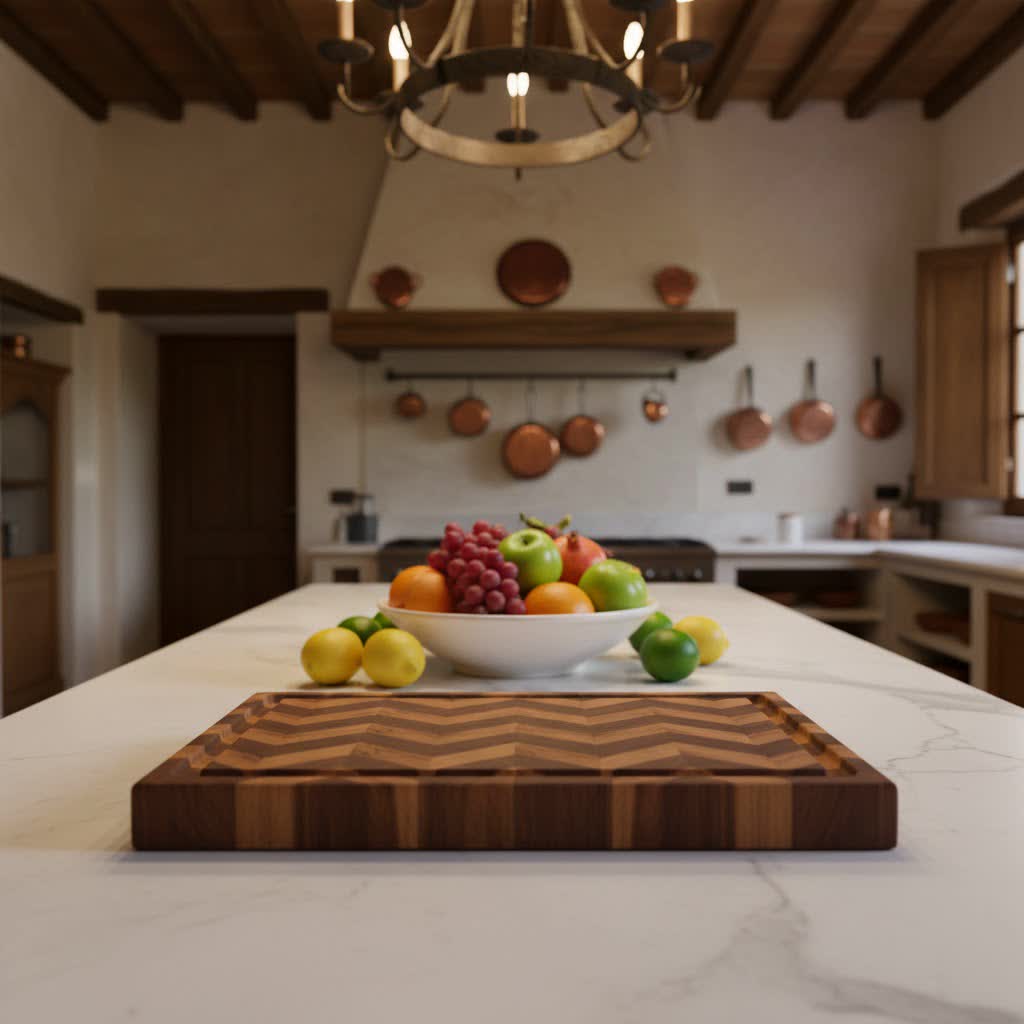
Understanding the Appeal of Cherry Wood Cutting Boards
Cherry wood, sourced from American black cherry trees, possesses distinct characteristics that make it particularly well-suited for cutting boards. Its innate qualities contribute to a superior culinary experience, making it a wise investment for your kitchen.
Why Cherry Wood Stands Out
- Aesthetic Beauty and Evolving Patina: Cherry wood is renowned for its rich, warm reddish-brown hues that deepen and darken beautifully over time. This natural aging process, known as developing a patina, transforms the board into a piece of art, adding a touch of classic elegance to any kitchen decor. The fine, straight grain is visually appealing and smooth to the touch.
- Exceptional Knife-Friendly Surface: One of cherry wood’s most significant advantages is its moderate hardness. With a Janka hardness rating typically around 950-995 lbf, it strikes an ideal balance. It’s hard enough to withstand daily chopping but soft enough to be incredibly gentle on your knife blades. This moderate density allows the wood fibers to absorb the impact of a knife edge, preventing premature dulling and extending the lifespan of your valuable cutlery.
- Durability and Longevity: Despite being softer than some other hardwoods like maple, cherry wood is still exceptionally durable. When properly cared for, a quality cherry cutting board can last for decades, becoming a trusted companion in your culinary adventures. Its tight grain structure also contributes to its resilience.
- Natural Resistance Properties: Cherry wood naturally exhibits good resistance to moisture and stains. Its dense, tightly packed grains make it less porous than many other wood types, hindering deep penetration by liquids and reducing the risk of warping or cracking. Furthermore, cherry wood possesses inherent antimicrobial properties, contributing to a more hygienic food preparation surface.
|
Our Picks for the Best Cutting Board in 2026
As an Amazon Associate I earn from qualifying purchases.
|
||
| Num | Product | Action |
|---|---|---|
| 1 | Acacia Wood Cutting Board with Handle, 16x8 Inch Large Kitchen Chopping Board for Meat and Cheese, Butcher Block Serving Tray for Charcuterie, Bread and Fruit |

|
| 2 | Bamboo Cutting Boards for Kitchen [Set of 3] Wood Cutting Board for Chopping Meat, Vegetables, Fruits, Cheese, Knife Friendly Serving Tray with Handles |
|
| 3 | Kikcoin Extra Large Bamboo Cutting Boards, (Set of 3) Chopping Boards with Juice Groove Bamboo Wood Cutting Board Set Butcher Block for Kitchen, End Grain Serving Tray |
|
| 4 | Extra Large Cutting Boards, Plastic Cutting Boards for Kitchen (Set of 3) Cutting Board Set Dishwasher Chopping Board with Juice Grooves Easy-Grip Handles, Dark Grey, Empune |
|
| 5 | Bamboo Cutting Board for Kitchen Meal Prep & Serving, 3-Piece Wooden Set with Juice Grooves, Side Handles, Non-Slip Mats – Ideal for Meat, Veggies, Fruit – Ideal Gift for the Home |
|
| 6 | Titanium Cutting Board for Kitchen, Cutting Board Double Sided Food Grade, Pure Titanium/PP, Easy to Clean Large Size 16”×11” |
|
| 7 | Keechee Bamboo Cutting Board, Durable Wood Cutting Boards for Kitchen with Deep Juice Grooves & Built-in Handles, Ideal Charcuterie & Chopping for Meat, Vegetables and Fruits Ideal Kitchen Gifts |
|
| 8 | Bamboo Cutting Boards for Kitchen, Extra Large Wood Cutting Board with Deep Juice Groove and Handle Heavy Duty Chopping board, Kikcoin, 17.6" x 12" |
|
| 9 | Checkered Acacia Wood Cutting Board for Kitchen – Wooden Chopping Board, Durable Checkered Charcuterie Board for Meat, Fruit, Cheese & Vegetables, 16" x 11" x 1" |
|
| 10 | GORILLA GRIP BPA-Free Reversible Kitchen Cutting Board Set of 3, US Designed, Nonporous, Juice Grooves Catch Liquid, Slip Resistant Border, Dishwasher Safe, Durable Large Food Chopping Boards, Black |
|
Potential Considerations for Cherry Wood
While cherry wood offers numerous advantages, it’s important to acknowledge a few characteristics that might influence your decision.
- Softer than Some Hardwoods: Compared to rock maple (1450 lbf Janka) or even walnut (1010 lbf Janka), cherry is softer. This means that while it’s kinder to your knives, it may show knife marks or “self-heal” less effectively over time, particularly with very heavy or aggressive chopping. However, these marks often blend into the board’s developing patina, adding to its character.
- Patina Development: The beautiful darkening and rich patina that cherry wood develops is a major draw for many. However, for those who prefer a consistently lighter wood tone, this natural evolution might not be as appealing. Regular rotation of the board and consistent oiling can help encourage even darkening.
- Price Point: Cherry wood cutting boards are generally considered a premium kitchen item. They tend to be priced higher than many plastic or bamboo alternatives and can sometimes be more expensive than maple, though often comparable to high-quality walnut boards. This reflects the wood’s quality, aesthetic appeal, and the craftsmanship involved.
Exploring Different Cutting Board Materials
Understanding cherry wood’s attributes is best achieved by comparing it with other popular materials available on the market. While this article focuses on cherry, a brief overview of other types highlights why wood, particularly fine hardwoods, remains a top choice for serious cooks.
Wood Cutting Boards: The Gold Standard
Wooden cutting boards are widely regarded as the superior choice for culinary applications, offering a blend of aesthetics, knife protection, and natural hygiene.
- Cherry Wood: As explored, cherry offers a balance of moderate hardness, stunning visual appeal, and excellent knife-friendliness. It’s ideal for those who value both function and form, providing a comfortable cutting surface that preserves knife edges while adding warmth to the kitchen.
- Maple Wood: Often considered the workhorse of kitchen hardwoods, maple (especially hard maple) boasts a high Janka rating (around 1450 lbf), making it exceptionally durable and resistant to deep cuts. Its lighter color and subtle grain offer a clean, classic look. Maple is a fantastic choice for heavy daily use and those prioritizing maximum longevity, though its hardness can be slightly less forgiving on knife edges compared to cherry or walnut.
- Walnut Wood: With a Janka rating of approximately 1010 lbf, walnut offers a superb balance, slightly harder than cherry but softer than maple. Its rich, dark chocolate-brown tones are incredibly elegant and have the practical benefit of hiding knife marks and stains better than lighter woods. Walnut is a luxurious choice that provides excellent durability and knife care.
- Other Wood Options: While maple, walnut, and cherry are top contenders, other woods like teak are also used. Teak is known for its high oil content, offering natural water resistance, but it can be quite dense and, in some varieties, contains silica which can be very hard on knives.
Other Materials: A Quick Look
While alternatives exist, they often come with trade-offs that make them less ideal for general culinary tasks.
- Plastic Cutting Boards: Affordable and often dishwasher-safe, plastic boards are convenient. However, they are prone to developing deep grooves where bacteria can harbor, even after washing. They can also be harder on knife edges than wood, and visible scoring can create micro-plastic shedding.
- Bamboo Cutting Boards: Marketed as eco-friendly, bamboo is a hard material. While durable, its hardness can be harsh on knives, dulling them more quickly than wood. Many bamboo boards are also made from glued strips, and the glues used may not always be food-safe or durable over time.
- Glass Cutting Boards: Highly hygienic and heat-resistant, glass boards are aesthetically modern. However, their extreme hardness makes them a notorious knife-duller. The unyielding surface provides no give, causing knife edges to roll or chip rapidly. They are best reserved for serving or as trivets.
Cherry Wood Cutting Board: A Detailed Comparison
To help you make an informed decision, let’s see how cherry wood stacks up against its closest competitors in the hardwood family.
| Feature | Cherry Wood (American Black Cherry) | Maple Wood (Hard Maple) | Walnut Wood (American Black Walnut) |
|---|---|---|---|
| Janka Hardness | ~950-995 lbf | ~1450 lbf | ~1010 lbf |
| Knife-Friendliness | Excellent | Good to Moderate | Excellent |
| Aesthetic | Warm reddish-brown, darkens with age | Light cream to golden, clean | Rich chocolate-brown, elegant |
| Durability | High (with care) | Very High | High |
| Moisture Resistance | Good | Excellent | Good |
| Stain Hiding | Good | Poor (lighter wood) | Excellent (darker wood) |
| Maintenance | Moderate (oiling required) | Moderate (oiling required) | Moderate (oiling required) |
| Typical Price | Mid-to-High | Mid-to-High | High |
Ultimately, choosing between these premium woods depends on your priorities. If absolute durability for heavy use is paramount, maple shines. If you desire a luxury board that masks imperfections well, walnut is superb. However, for those who seek an exceptional balance of knife care, remarkable beauty that evolves over time, and solid performance, cherry wood stands out as an outstanding choice.
Your Ultimate Buying Guide for a Cherry Wood Cutting Board
Selecting the perfect cherry wood cutting board involves considering several factors to ensure it meets your specific culinary demands and aesthetic preferences.
Defining Your Kitchen Needs
Before making a purchase, reflect on how you primarily use a cutting board.
- Usage Intent: Will you be performing light prep work like slicing fruits and vegetables, or more rigorous tasks such as butchering meats and heavy chopping? For very heavy-duty, repeated cleaver work, a thicker, end-grain maple board might be more robust, but a cherry board excels at everyday cutting and serving.
- Size and Space: Measure your counter space. A large board offers more working area but can be cumbersome to store and clean. Smaller boards are convenient for quick tasks. Consider thickness as well; thicker boards offer more stability and are often preferred for their substantial feel.
- Budget Considerations: Quality cherry wood cutting boards are an investment. Determine your budget range, understanding that higher prices often reflect superior craftsmanship, wood sourcing, and construction (like end-grain).
Key Features to Look For
The construction and features of a cherry wood cutting board significantly impact its performance and longevity.
- Grain Construction:
- End Grain: Considered the gold standard for cutting boards. In an end-grain board, the wood fibers are oriented vertically, like the ends of a tree trunk. This construction allows knife blades to slide between the fibers, which then “self-heal” or close up, preserving both the board and the knife edge. End-grain cherry boards are highly durable and exceptionally kind to knives.
- Edge Grain: In edge-grain boards, wood strips are glued together with the grain running horizontally. These boards are typically more affordable and very durable, but they may show knife marks more readily than end-grain boards because the blade cuts across the wood fibers rather than with them.
- Face Grain: The least durable for cutting boards, as the broad side of the wood plank is exposed, showing the most grain. This is best for serving boards rather than cutting.
- Wood Quality: Look for boards made from solid, sustainably sourced North American cherry. High-quality boards will have consistent coloration (before patina development) and smooth, well-sanded surfaces with no gaps or rough spots.
- Additional Features: Consider features like integrated juice grooves to catch liquids from meats or juicy fruits, and recessed finger grips for easier handling and flipping.
Reputable Brands and Value
While I won’t endorse specific brands directly, it’s wise to research manufacturers known for their commitment to quality hardwood products. Established brands often ensure ethical sourcing, superior craftsmanship, and proper conditioning of their boards. A higher price tag often reflects these factors, ensuring you receive a durable, long-lasting product. Read reviews, look for artisan woodworkers, and prioritize brands that openly discuss their wood sourcing and manufacturing processes. An investment in a quality cherry wood cutting board is an investment in your kitchen’s future.
Care and Maintenance for Your Cherry Wood Cutting Board
Proper care is paramount to unlocking the full potential and longevity of your cherry wood cutting board. Neglecting maintenance can lead to drying, cracking, and warping, diminishing its beauty and functionality.
Essential Daily Cleaning
- Hand Wash Immediately: After each use, wash your cutting board promptly. Do not let food residue sit on it for extended periods.
- Mild Soap and Warm Water: Use a soft sponge or cloth with mild dish soap and warm water. Gently scrub both sides of the board.
- Avoid Dishwashers: Never place your cherry wood cutting board in a dishwasher. The intense heat, harsh detergents, and prolonged exposure to water will strip the wood of its natural oils, leading to severe drying, warping, and cracking.
- Rinse and Dry Thoroughly: Rinse off all soap with warm water. Immediately dry the board with a clean towel. Air dry it completely by standing it on its edge in a well-ventilated area, allowing air to circulate around all surfaces. Do not lay it flat on a counter or sink to dry, as this can lead to uneven moisture absorption and warping.
Long-Term Preservation
Beyond daily cleaning, regular conditioning is vital to nourish the wood and protect it from drying out.
- Regular Oiling: Apply a food-safe mineral oil or a blend of mineral oil and beeswax (often called “board butter” or “board cream”) to your cherry cutting board at least once a month, or more frequently if it sees heavy use or appears dry.
- Application: Apply a generous amount of oil evenly over all surfaces, including the sides and edges. Let it soak in for several hours, or even overnight.
- Wipe Off Excess: After soaking, wipe off any excess oil with a clean cloth. The wood should feel supple and smooth, not greasy. This replenishes the wood’s natural moisture barrier, preventing cracking and enhancing its rich color.
- Dealing with Knife Marks: Over time, even the most knife-friendly board may develop some surface marks. For minor scratches, a light sanding with fine-grit sandpaper (220-grit or higher) followed by re-oiling can restore its smooth surface. For deeper marks, a professional may be able to refinish it.
- Promoting Even Patina: To encourage your cherry board to develop an even, rich patina, periodically expose both sides of the board to natural light. This helps the wood darken uniformly.
Conclusion
The cherry wood cutting board is a testament to the idea that kitchen tools can be both exquisitely functional and profoundly beautiful. Its signature warm hues, evolving patina, and exceptional kindness to your knives make it a standout choice for anyone who values quality in their culinary pursuits. While it requires a bit of consistent care, the reward is a durable, hygienic, and aesthetically pleasing surface that enhances every cooking experience.
Are you ready to elevate your kitchen with the timeless elegance and superior performance of a cherry wood cutting board?
