Every home cook knows the importance of a good cutting board. It’s the silent workhorse of your kitchen, bearing the brunt of countless chopping, slicing, and dicing tasks. But just as crucial as having the right board is knowing how to keep it impeccably clean. A cutting board, regardless of its material, can become a breeding ground for bacteria if not properly maintained, posing a significant risk to your family’s health. This comprehensive guide will walk you through the best practices for cleaning, sanitizing, and maintaining various types of cutting boards, ensuring your kitchen remains a safe and healthy environment for all your culinary adventures.
Why Proper Cutting Board Cleaning Matters
Maintaining a clean cutting board goes far beyond aesthetics; it’s a fundamental pillar of kitchen hygiene and food safety. Without proper cleaning, your cutting board can harbor harmful bacteria like Salmonella and E. coli, which can lead to foodborne illnesses. Cross-contamination is a silent threat, where bacteria from raw meats can transfer to fresh produce if the board isn’t thoroughly cleaned between uses. Beyond safety, consistent care eliminates stubborn food odors and prevents staining, keeping your board looking and smelling fresh. Furthermore, understanding the right cleaning techniques for each material type helps to extend the lifespan of your cutting board, protecting your investment and ensuring it remains a reliable tool for years to come.
Essential General Cleaning Steps for All Cutting Boards
Regardless of whether your cutting board is made of wood, plastic, or another material, a basic routine should be followed after every use to ensure a foundational level of cleanliness. Start by using a bench scraper, a damp cloth, or even your hand to swiftly remove any loose food scraps, crumbs, or liquid residues. This initial step prevents food particles from drying onto the surface, making the subsequent washing much easier.
Next, wash your board thoroughly with hot, soapy water. Use a soft sponge or a brush, paying extra attention to any grooves or knife marks where food bits can hide. Hot water helps to loosen grease and food, while dish soap breaks down oils and lifts grime. After scrubbing, rinse the board meticulously under clean, running water until all traces of soap and food particles are gone. Finally, and perhaps most importantly, dry your cutting board immediately and completely with a clean towel. Standing the board upright or propping it on its edge allows for optimal airflow, ensuring it air-dries fully and prevents moisture retention, which can lead to warping or bacterial growth.
Cleaning and Sanitizing Different Cutting Board Materials
The ideal cleaning and sanitizing method often depends on the material of your cutting board. Each type has unique characteristics that influence its care.
Wooden Cutting Boards
Wooden cutting boards are cherished for their natural beauty and durability, but they require specific care to stay hygienic and last.
- Cleaning: Always hand wash wooden boards. The high heat and prolonged moisture of a dishwasher can cause wood to warp, crack, or split, ruining its integrity. Use warm water and a mild dish soap. Scrub gently, following the grain of the wood, and avoid harsh abrasive scrubbers that can damage the surface.
- Sanitizing: For daily sanitization, a spray of white vinegar (full strength) after washing and rinsing can kill many bacteria and neutralize odors. Let it sit for a few minutes before rinsing and drying. For deeper sanitization, especially after contact with raw meat, a solution of 1 teaspoon of bleach per quart of water can be used. Apply with a clean cloth, let sit for a minute, then rinse thoroughly. Another natural method involves sprinkling coarse salt on the board and scrubbing with half a lemon; the salt acts as an abrasive while the lemon provides acidity to clean and deodorize.
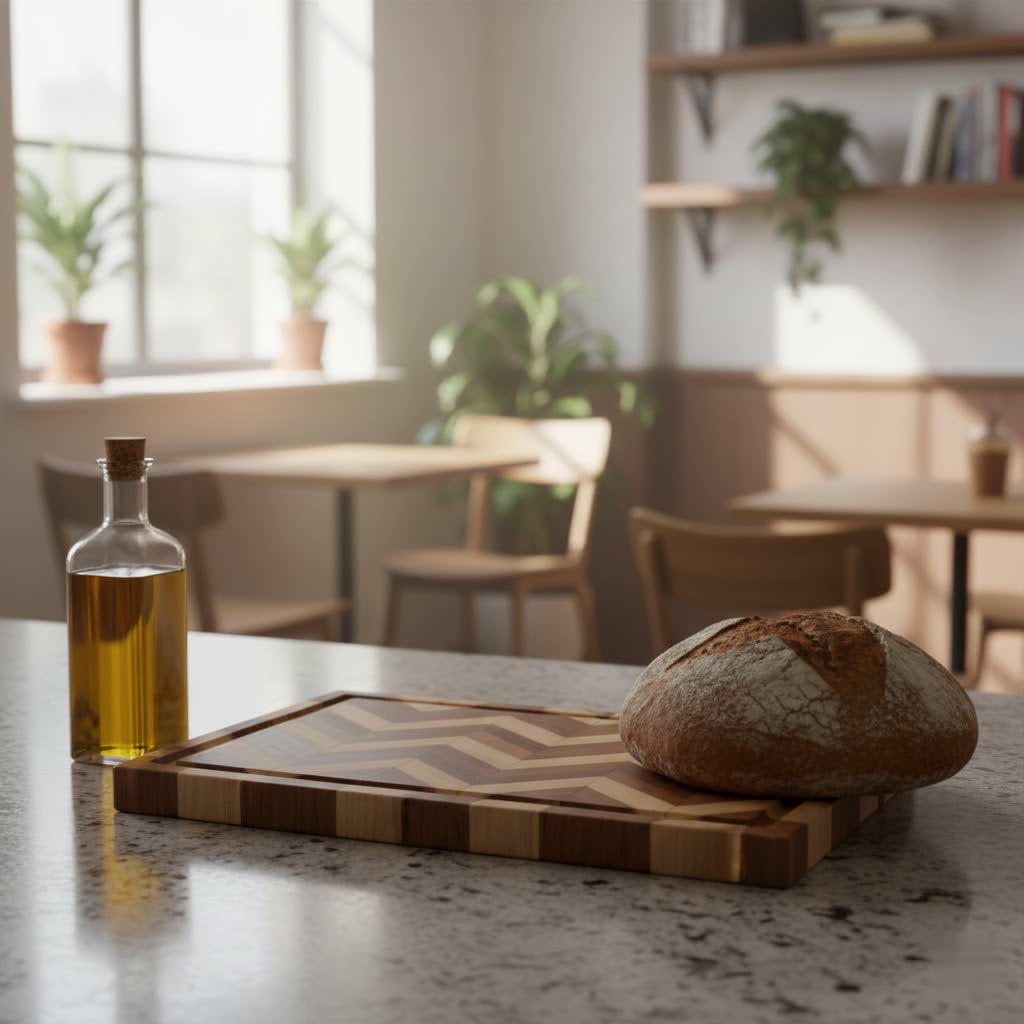
- Maintenance: Proper drying is paramount. Always dry immediately with a clean towel and allow it to air dry completely, standing on its edge to promote airflow. To prevent drying out and cracking, regularly condition your wooden board with food-grade mineral oil or a beeswax-based board cream. Apply a generous amount, let it soak in overnight, then wipe off any excess. This keeps the wood hydrated and creates a barrier against moisture.
|
Our Picks for the Best Cutting Board in 2026
As an Amazon Associate I earn from qualifying purchases.
|
||
| Num | Product | Action |
|---|---|---|
| 1 | GORILLA GRIP BPA-Free Reversible Kitchen Cutting Board Set of 3, US Designed, Nonporous, Juice Grooves Catch Liquid, Slip Resistant Border, Dishwasher Safe, Durable Large Food Chopping Boards, Black |

|
| 2 | Acacia Wood Cutting Board with Handle, 16x8 Inch Large Kitchen Chopping Board for Meat and Cheese, Butcher Block Serving Tray for Charcuterie, Bread and Fruit |
|
| 3 | Bamboo Cutting Boards for Kitchen, Extra Large Wood Cutting Board with Deep Juice Groove and Handle Heavy Duty Chopping board, Kikcoin, 17.6" x 12" |
|
| 4 | Keechee Bamboo Cutting Board, Durable Wood Cutting Boards for Kitchen with Deep Juice Grooves & Built-in Handles, Ideal Charcuterie & Chopping for Meat, Vegetables and Fruits Ideal Kitchen Gifts |
|
| 5 | Bamboo Cutting Boards for Kitchen [Set of 3] Wood Cutting Board for Chopping Meat, Vegetables, Fruits, Cheese, Knife Friendly Serving Tray with Handles |
|
| 6 | Titanium Cutting Board for Kitchen, Cutting Board Double Sided Food Grade, Pure Titanium/PP, Easy to Clean Large Size 16”×11” |
|
| 7 | Kikcoin Extra Large Bamboo Cutting Boards, (Set of 3) Chopping Boards with Juice Groove Bamboo Wood Cutting Board Set Butcher Block for Kitchen, End Grain Serving Tray |
|
| 8 | Extra Large Cutting Boards, Plastic Cutting Boards for Kitchen (Set of 3) Cutting Board Set Dishwasher Chopping Board with Juice Grooves Easy-Grip Handles, Dark Grey, Empune |
|
| 9 | Checkered Acacia Wood Cutting Board for Kitchen – Wooden Chopping Board, Durable Checkered Charcuterie Board for Meat, Fruit, Cheese & Vegetables, 16" x 11" x 1" |
|
| 10 | Bamboo Cutting Board for Kitchen Meal Prep & Serving, 3-Piece Wooden Set with Juice Grooves, Side Handles, Non-Slip Mats – Ideal for Meat, Veggies, Fruit – Ideal Gift for the Home |
|
> “Wooden boards, particularly those made from dense hardwoods like maple or walnut, possess natural antimicrobial properties. The wood’s capillary action draws bacteria below the surface where they eventually die, making them surprisingly hygienic when properly cared for.” – Dr. Ben Chapman, Food Safety Specialist, NC State University
Plastic Cutting Boards
Plastic cutting boards are popular for their convenience and affordability, and their cleaning process is generally straightforward.
- Cleaning: The biggest advantage of most plastic cutting boards is that they are dishwasher-safe. The high heat and sanitizing cycles of a dishwasher effectively kill bacteria and ensure a thorough clean. If washing by hand, use hot, soapy water and a scrub brush to tackle any food residue.
- Sanitizing: For plastic boards that aren’t dishwasher-safe or for extra assurance, a diluted bleach solution (1 tablespoon of bleach per gallon of water) can be used. Submerge the board in the solution for at least five minutes, then rinse thoroughly with clean water and allow it to air dry.
- Maintenance: Plastic boards are prone to developing deep grooves and cuts from knives over time. These crevices can become difficult to clean and may harbor bacteria even after sanitizing. It’s crucial to replace plastic cutting boards when they show significant signs of wear and tear, as continued use of a heavily grooved board can compromise food safety.
Bamboo Cutting Boards
Bamboo cutting boards offer an eco-friendly alternative with a pleasing aesthetic, sharing many characteristics with wooden boards in terms of care.
- Cleaning: Like wood, bamboo boards should only be hand washed. Do not soak them or place them in the dishwasher, as this can lead to warping, splitting, and damage to their glued construction. Use warm, soapy water and a soft cloth or sponge.
- Sanitizing: White vinegar or a diluted bleach solution (1 teaspoon bleach per quart of water) can be used for sanitizing after washing. Apply, let sit briefly, then rinse well.
- Maintenance: Thorough drying is essential for bamboo. Immediately wipe dry with a clean cloth and allow it to air dry completely, ideally upright. Regular oiling with food-grade mineral oil will help maintain its integrity and prevent it from drying out and cracking.
Glass Cutting Boards
Glass cutting boards are highly non-porous and often feature decorative designs, making them easy to clean but with some trade-offs.
- Cleaning: Glass boards are exceptionally easy to clean. They are almost always dishwasher-safe, and their non-porous surface means they can be sterilized effectively with high heat. If hand washing, hot, soapy water is sufficient to remove all food residues.
- Sanitizing: The dishwasher’s sanitizing cycle is ideal. Otherwise, a simple wash with hot, soapy water is usually enough to sanitize due to their non-absorbent nature.
- Maintenance: While durable in terms of hygiene, glass boards are notorious for dulling knives quickly. They can also be quite slippery, so exercise caution during use. No special conditioning is required.
Tackling Stubborn Issues: Stains and Odors
Even with regular cleaning, cutting boards can sometimes develop stubborn stains or lingering odors. Fortunately, common household items can come to the rescue.
For stains, especially from deeply colored foods like beets or berries, a paste of baking soda and a small amount of water can work wonders. Apply the paste directly to the stain, let it sit for 10-15 minutes, then scrub with a sponge or brush before rinsing thoroughly. For an extra boost, sprinkle coarse salt on the stained area and scrub it vigorously with half a lemon. The abrasive salt combined with the lemon’s natural acidity helps to lift and lighten the stain.
When it comes to persistent odors, like those from garlic, onions, or fish, white vinegar is your best friend. After washing your board, spray or wipe it down with undiluted white vinegar and let it sit for a few minutes. The acetic acid in vinegar is highly effective at neutralizing offensive smells. For a fresh scent, follow up with a rub-down using half a lemon. The lemon not only deodorizes but also leaves a pleasant, citrusy aroma. Always rinse the board thoroughly after using these methods and ensure it’s completely dry before storing.
A Comparative Look: Wood vs. Plastic Cutting Boards
The debate over whether wood or plastic cutting boards are more hygienic has simmered for decades among home cooks and food safety experts. Both materials have unique advantages and disadvantages concerning bacteria and maintenance.
Plastic cutting boards are often perceived as more sanitary because they can be easily cleaned and sanitized in a dishwasher with high heat. However, as plastic boards age, they develop deep gouges and knife marks that can become difficult to clean thoroughly, potentially harboring bacteria even after washing. Once these grooves become significant, the board should be replaced.
Wooden cutting boards, while not typically dishwasher-safe, possess natural antimicrobial properties. Research suggests that bacteria on the surface of wood are drawn into the wood’s interior, where they are trapped and eventually die as the wood dries. Hardwoods, with their dense grain, are particularly effective at this. While wood requires more diligent handwashing and oiling, many prefer it for its gentleness on knives and aesthetic appeal. Ultimately, the safety of both wood and plastic boards hinges on consistent and proper cleaning and maintenance.
Your Cutting Board Care Checklist
Adopting a few simple habits can drastically improve the hygiene and longevity of your cutting boards:
- Clean and Sanitize After Every Use: This is non-negotiable, especially after preparing raw meat, poultry, or fish.
- Designate Separate Boards: To prevent cross-contamination, use one board specifically for raw meats and another for ready-to-eat foods like fruits, vegetables, and bread. Color-coding can help differentiate them.
- Dry Completely: Never store a damp cutting board. Moisture is bacteria’s best friend and the enemy of wood’s structural integrity.
- Condition Wooden Boards Regularly: Oiling your wooden boards monthly or bi-monthly prevents them from drying out, cracking, and becoming more susceptible to bacterial penetration.
- Inspect and Replace: Regularly check your cutting boards for deep grooves, cracks, or warping. For plastic boards, once knife marks become significant and cannot be cleaned effectively, it’s time to replace them. For wooden boards, severe warping or deep cracks indicate it’s time for a new one.
Conclusion
A clean cutting board is the unsung hero of a safe and efficient kitchen. By understanding the unique needs of each material – from the careful handwashing and oiling of wooden and bamboo boards to the dishwasher-safe convenience of plastic and glass – you empower yourself to prevent the spread of harmful bacteria and tackle stubborn stains and odors. Consistent care not only safeguards your health but also preserves the beauty and functionality of your culinary tools. Make proper cutting board cleaning a routine, not a chore, and elevate your kitchen hygiene to a professional standard. What steps will you take today to ensure your cutting boards are as clean as they can be?
Frequently Asked Questions
How often should I oil my wooden cutting board?
For optimal protection and longevity, aim to oil your wooden cutting board at least once a month, or more frequently if you use and wash it daily. This keeps the wood hydrated, prevents cracking, and creates a protective barrier against moisture and bacteria.
Can I use bleach on all types of cutting boards?
While diluted bleach solutions are effective sanitizers for both plastic and wooden boards, it’s important to use them carefully. For wood, apply sparingly with a cloth and rinse quickly to avoid drying out the wood. Glass and stainless steel boards can also handle bleach, but always rinse thoroughly.
What is the best way to remove deep knife marks from a cutting board?
Deep knife marks on plastic boards are difficult to remove and often indicate it’s time for a replacement, as they can harbor bacteria. For wooden boards, light sanding with fine-grit sandpaper can sometimes smooth out shallow marks, followed by re-oiling, but very deep gouges may require professional resurfacing or mean the board needs replacing.
Is it safe to use a cutting board that has been used for raw meat on vegetables after cleaning?
To minimize risks, it is highly recommended to use separate cutting boards for raw meats and ready-to-eat foods like vegetables. Even with thorough cleaning and sanitizing, the potential for cross-contamination exists, especially if the board has deep knife marks. Designating specific boards is the safest practice.
Why shouldn’t I soak my wooden or bamboo cutting board?
Soaking wooden or bamboo cutting boards can cause the fibers to absorb excessive water, leading to swelling, warping, and eventually cracking or splitting as the board dries. This compromises the board’s structural integrity and can create crevices where bacteria can thrive, making it less hygienic.
