For any home cook or professional chef, the cutting board is the unsung hero of the kitchen. While standard sizes suffice for quick tasks, an Extra Large Cutting Board transforms your culinary workflow, offering unparalleled space and versatility. If you’ve ever found yourself running out of room while chopping a mountain of vegetables, carving a holiday roast, or prepping ingredients for a large family meal, you know the frustration. This comprehensive guide will delve into why an oversized cutting board isn’t just a luxury but a fundamental upgrade, exploring different materials, essential features, and how to choose the perfect one for your kitchen.
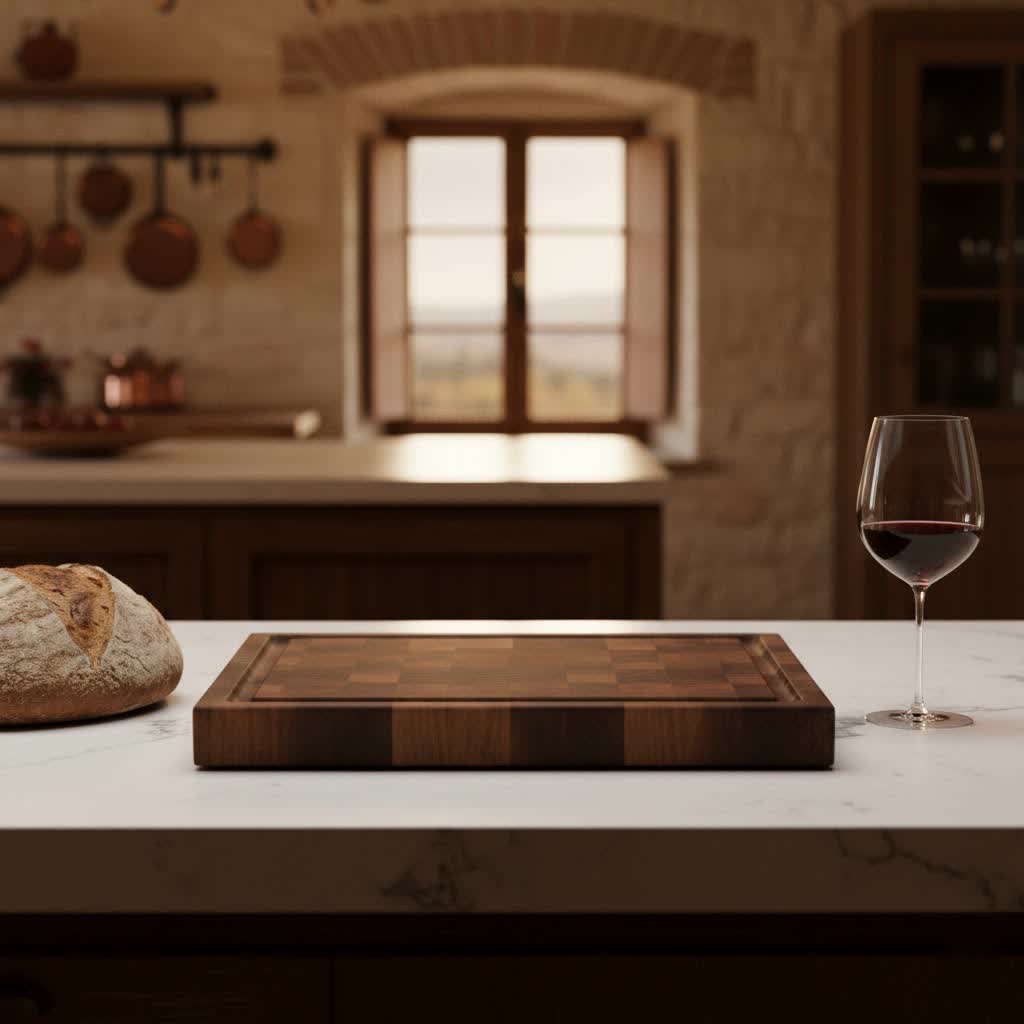
Popular Types of Cutting Boards
When investing in an extra large cutting board, understanding the various materials available is crucial. Each type offers distinct advantages and disadvantages, impacting durability, knife-friendliness, and maintenance.
Wood Cutting Boards
Wood cutting boards are a timeless classic, favored for their aesthetic appeal and gentle touch on knife blades.
- Pros: Wooden boards are naturally porous, allowing them to absorb bacteria and trap it until it dies, offering natural antimicrobial properties. They are exceptionally kind to knife edges, keeping them sharper for longer. Many varieties are also beautiful, serving as elegant serving platters. Thicker wooden boards are more stable and less prone to warping.
- Cons: They require more maintenance, including regular oiling to prevent drying, cracking, and warping. They are not dishwasher safe and must be hand-washed and dried immediately. Heavy and bulky extra large wood boards can be challenging to move and clean in smaller sinks.
- Common Woods:
- Maple: A popular choice for its hardness and durability, often seen in butcher blocks. It’s resilient but may require more frequent knife sharpening than softer woods.
- Walnut: Known for its rich, dark color and slightly softer grain than maple, making it even gentler on knives. It’s a premium option that adds elegance to any kitchen.
- Teak: Highly water-resistant and naturally antimicrobial, teak is incredibly durable and often sourced from sustainably managed forests. Its dense grain helps prevent liquids from penetrating.
- Acacia: Appreciated for its striking grain patterns and robust nature, Acacia wood offers excellent durability and resistance to moisture.
- Care Instructions: To maintain your wood cutting board, hand-wash it with warm, soapy water after each use and dry it thoroughly. Never soak it or put it in a dishwasher. Regular oiling (every few weeks or months, depending on use) with food-grade mineral oil is essential to prevent it from drying out, cracking, and extending its lifespan.
|
Our Picks for the Best Cutting Board in 2026
As an Amazon Associate I earn from qualifying purchases.
|
||
| Num | Product | Action |
|---|---|---|
| 1 | Keechee Bamboo Cutting Board, Durable Wood Cutting Boards for Kitchen with Deep Juice Grooves & Built-in Handles, Ideal Charcuterie & Chopping for Meat, Vegetables and Fruits Ideal Kitchen Gifts |

|
| 2 | Bamboo Cutting Boards for Kitchen, Extra Large Wood Cutting Board with Deep Juice Groove and Handle Heavy Duty Chopping board, Kikcoin, 17.6" x 12" |
|
| 3 | Titanium Cutting Board for Kitchen, Cutting Board Double Sided Food Grade, Pure Titanium/PP, Easy to Clean Large Size 16”×11” |
|
| 4 | Checkered Acacia Wood Cutting Board for Kitchen – Wooden Chopping Board, Durable Checkered Charcuterie Board for Meat, Fruit, Cheese & Vegetables, 16" x 11" x 1" |
|
| 5 | Bamboo Cutting Board for Kitchen Meal Prep & Serving, 3-Piece Wooden Set with Juice Grooves, Side Handles, Non-Slip Mats – Ideal for Meat, Veggies, Fruit – Ideal Gift for the Home |
|
| 6 | Extra Large Cutting Boards, Plastic Cutting Boards for Kitchen (Set of 3) Cutting Board Set Dishwasher Chopping Board with Juice Grooves Easy-Grip Handles, Dark Grey, Empune |
|
| 7 | Bamboo Cutting Boards for Kitchen [Set of 3] Wood Cutting Board for Chopping Meat, Vegetables, Fruits, Cheese, Knife Friendly Serving Tray with Handles |
|
| 8 | Acacia Wood Cutting Board with Handle, 16x8 Inch Large Kitchen Chopping Board for Meat and Cheese, Butcher Block Serving Tray for Charcuterie, Bread and Fruit |
|
| 9 | GORILLA GRIP BPA-Free Reversible Kitchen Cutting Board Set of 3, US Designed, Nonporous, Juice Grooves Catch Liquid, Slip Resistant Border, Dishwasher Safe, Durable Large Food Chopping Boards, Black |
|
| 10 | Kikcoin Extra Large Bamboo Cutting Boards, (Set of 3) Chopping Boards with Juice Groove Bamboo Wood Cutting Board Set Butcher Block for Kitchen, End Grain Serving Tray |
|
Plastic Cutting Boards
Plastic cutting boards are a common fixture in many kitchens due to their convenience and affordability.
- Pros: Plastic boards are generally lightweight, dishwasher safe, and non-porous, making them easy to sanitize. They are often more affordable and come in various colors, which can be useful for preventing cross-contamination (e.g., separate colors for meat and vegetables).
- Cons: Over time, plastic boards can develop deep knife marks and gouges, which can harbor bacteria and be difficult to clean effectively. These marks also accelerate knife dulling. They are less durable than wood and need to be replaced more frequently as they wear down.
- Common Plastics: High-density polyethylene (HDPE) and polypropylene (PP) are frequently used due to their durability and resistance to moisture.
- Usage Notes: While dishwasher safe, larger plastic boards might not fit comfortably in all dishwashers. It’s crucial to sanitize them frequently, especially after handling raw meat, poultry, or fish, to eliminate bacteria that can accumulate in knife grooves.
Bamboo Cutting Boards
Bamboo offers an eco-friendly alternative to traditional wood, sharing many similar characteristics.
- Pros: Bamboo is a highly renewable resource, making it an environmentally conscious choice. It’s durable, lightweight, and typically harder than many conventional woods, providing a stable cutting surface. Its density also makes it resistant to moisture absorption.
- Cons: While hard, some bamboo boards can be quite stiff and may dull knives faster than softer woods like walnut. They are usually not dishwasher safe and can crack or warp if not cared for properly. The glue used in some laminated bamboo boards can also be a concern if not food-safe.
- Sustainability: Bamboo grows rapidly and requires minimal water, pesticides, and fertilizers, making it an excellent sustainable option for kitchenware. Look for boards made with formaldehyde-free adhesives.
- Care Instructions: Similar to wood, bamboo boards should be hand-washed with mild soap and water and dried immediately. Avoid soaking. Regular oiling can help maintain their moisture resistance and appearance.
Glass Cutting Boards
Glass cutting boards, while visually striking, are generally not recommended for everyday food preparation.
- Pros: They are exceptionally easy to clean and sanitize, as glass is completely non-porous. They are also heat-resistant and can double as trivets or decorative serving pieces.
- Cons: The hard, unforgiving surface of a glass cutting board will rapidly dull and damage your knives. The clacking sound of a knife on glass can also be jarring. They offer very little grip for food, increasing the risk of slips and accidents. They are also prone to breaking if dropped.
- Usage Notes: Due to their severe impact on knife sharpness and potential safety hazards, glass cutting boards are best reserved for serving or as a protective surface, rather than for active chopping.
Comparison Table of Cutting Board Types
Choosing the best extra large cutting board often comes down to balancing various factors. This table provides a quick comparison to help you weigh your options:
| Feature | Wood (Maple, Walnut, Teak, Acacia) | Plastic (HDPE, PP) | Bamboo | Glass |
|---|---|---|---|---|
| Durability | High (with proper care, long-lasting) | Medium (wears out, gets knife marks) | High (very hard, resistant) | High (but brittle, can shatter) |
| Knife-Friendly | Excellent (especially end-grain, walnut) | Good to Fair (dulls knives over time) | Fair to Good (can be hard on knives) | Poor (severely dulls/damages knives) |
| Antibacterial | Natural properties, self-healing | Requires thorough sanitization, harbors bacteria in cuts | Natural properties | None (but non-porous, easy to clean) |
| Safety | Stable, good grip for food | Can slip, deep cuts can harbor bacteria | Stable, good grip for food | Slippery, potential for breakage |
| Maintenance | High (hand-wash, oiling) | Low (dishwasher safe) | Medium (hand-wash, occasional oil) | Very Low (dishwasher safe) |
| Aesthetics | Excellent (natural beauty) | Varies (functional, can be colorful) | Good (natural, modern look) | High (sleek, modern) |
| Price | Medium to High | Low to Medium | Low to Medium | Low |
Recommendations for Different Needs:
- For the Serious Home Chef/Restaurant: An extra large, thick wood (maple or walnut end-grain) cutting board offers the best knife protection, durability, and a professional-grade workspace.
- For Frequent Meat Carving: A wood (teak or acacia) board with a deep juice groove is ideal for containing liquids from roasts and poultry.
- For Everyday Versatility & Sanitation: A plastic board, particularly for raw meats and fish, allows for easy deep cleaning and dishwasher sanitization. Having a separate, large wood board for other tasks provides the best of both worlds.
- For Eco-Conscious Cooks: A bamboo cutting board is a sustainable and durable choice, offering a natural feel.
Buying Guide: How to Choose Your Extra Large Cutting Board
Selecting the perfect extra large cutting board requires careful consideration beyond just its size. It’s about finding a tool that seamlessly integrates into your cooking style and kitchen environment.
Determine Your Needs
Before purchasing, visualize how you’ll use your extra large cutting board. Do you frequently host large dinners, requiring space to carve a turkey or prep multiple dishes simultaneously? Or are you a daily meal prepper who needs ample room for a week’s worth of vegetables?
- What will you cut? If you often handle raw meats, you might prioritize a material that’s easy to sanitize, like plastic, or a wood board specifically designated for meat. For bread, fruits, and vegetables, wood or bamboo are excellent.
- Kitchen space: Measure your counter space to ensure the extra large board fits without hindering other kitchen activities. Consider its thickness, as a very thick board will add considerable height and weight.
- Budget: Extra large cutting boards, especially high-quality wooden ones, can be a significant investment. Determine how much you’re willing to spend, keeping in mind that durability and longevity often correlate with a higher price point.
Material Considerations
As discussed, the material greatly influences performance and maintenance.
- Safety: Always ensure your cutting board is made from food-safe materials. For plastic, look for BPA-free options. For wood, confirm that any adhesives used are food-grade.
- Antibacterial Properties and Easy Cleaning: Wood naturally resists bacteria, while plastic and glass rely on thorough cleaning. Consider how easily you can clean the board given its size. A board that’s too large to fit in your sink or dishwasher will be a challenge.
- Knife Compatibility: If you’ve invested in quality knives, choose a board material that protects their edges. Softer woods like walnut and end-grain constructions are ideal for preserving sharpness.
Brands and Pricing
While this guide won’t endorse specific brands directly in the output, be aware that reputable brands like John Boos, Teakhaus, and OXO Good Grips are known for producing high-quality cutting boards across various materials.
- Brand Reputation: Research brands known for their craftsmanship and customer satisfaction. Look for reviews that mention durability and performance over time.
- Price vs. Value: A more expensive cutting board often signifies superior material, construction (e.g., end-grain wood), and longevity. Consider the long-term value: a well-maintained high-quality board can last decades, outweighing the cost of frequently replacing cheaper alternatives.
Usage and Maintenance Tips
Proper care is paramount, especially for an extra large cutting board, to ensure its longevity and hygiene.
- Clean After Each Use: This is a non-negotiable rule. Food particles and juices can dry and become difficult to remove, or worse, harbor bacteria.
- Sanitize Regularly: For plastic boards, regular dishwasher cycles or a bleach solution are effective. For wood and bamboo, a mixture of white vinegar and water or a lemon and salt scrub can help sanitize and remove odors.
- Store Properly: Allow your cutting board to air dry completely before storing. Store it upright or on feet to allow airflow on all sides, preventing moisture buildup and warping. Avoid direct sunlight or extreme temperature changes, which can cause wood to crack. For heavy extra large boards, consider dedicated counter space where it can remain, or invest in a sturdy stand.
Conclusion
An extra large cutting board is more than just a kitchen accessory; it’s a game-changer for anyone serious about cooking. By providing ample workspace, enhancing safety, and offering incredible versatility, it simplifies meal preparation and elevates your culinary confidence. Whether you opt for the natural beauty and knife-friendly nature of wood, the practical sanitation of plastic, or the sustainable appeal of bamboo, choosing the right extra large cutting board means investing in a tool that will serve you faithfully for years to come. Consider your cooking habits, kitchen space, and desired material characteristics to find the perfect oversized companion. What culinary masterpiece will you create with your expansive new workspace?
Frequently Asked Questions
How big should an extra large cutting board be?
An extra large cutting board typically measures at least 18×24 inches, with some reaching 20×30 inches or larger. The ideal size depends on your available counter space and typical cooking tasks, such as carving large roasts, extensive meal prepping, or even using it as a serving platter for gatherings.
Are extra large wood cutting boards better than plastic?
Wood cutting boards are generally considered superior for knife longevity and possess natural antibacterial properties. However, plastic boards are often lighter, more affordable, and dishwasher safe, making them easier to sanitize, especially for raw meats. Many chefs use both: wood for general prep and a smaller plastic board for raw proteins.
How do you clean an extra large wooden cutting board?
Due to its size, an extra large wooden cutting board must be hand-washed. Use warm, soapy water immediately after use, rinse thoroughly, and wipe it dry with a clean towel. To prevent warping and cracking, never soak it or put it in the dishwasher. Regular oiling with food-grade mineral oil is also essential for maintenance.
Can an extra large cutting board prevent cross-contamination?
Yes, an extra large cutting board can help prevent cross-contamination by providing enough space to separate ingredients, such as raw meat on one side and vegetables on the other. For ultimate safety, dedicating separate boards (perhaps color-coded plastic ones that are dishwasher safe) for different food types is recommended, even with a spacious board.
