In the heart of every culinary space, from bustling restaurant kitchens to cozy home cooking corners, the humble cutting board is an unsung hero. Often overlooked, yet indispensable, the right cutting board acts as the foundation for countless meals, protecting your countertops and, crucially, your knives. But with a dizzying array of materials, sizes, and styles available, selecting the perfect one can feel overwhelming. This comprehensive guide, informed by years of experience in the kitchen, will walk you through everything you need to know to choose a cutting board that perfectly fits your cooking style and ensure it lasts for years to come.
Popular Types of Cutting Boards
Different cutting board materials offer distinct advantages and disadvantages, impacting everything from knife sharpness to hygiene and durability. Understanding these differences is the first step to making an informed choice.
Wooden Cutting Boards
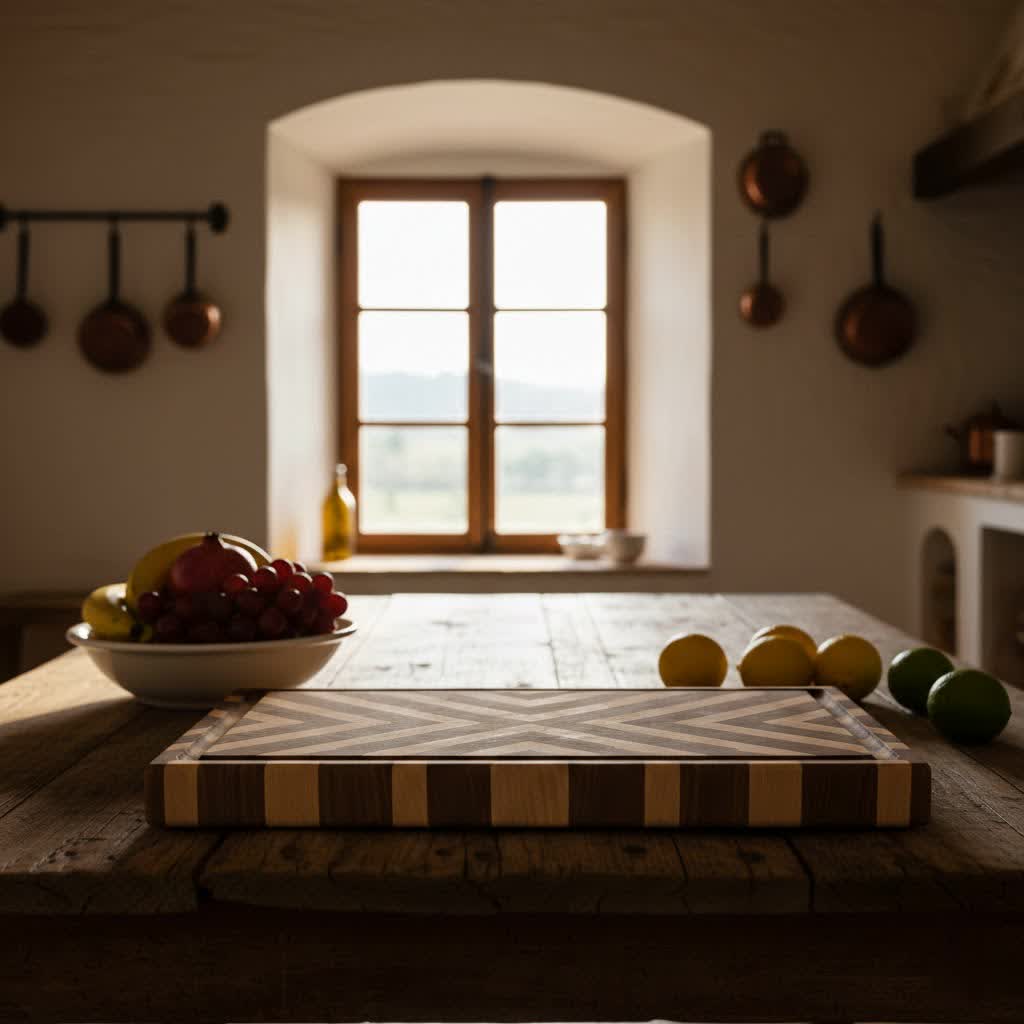
Wooden cutting boards are a timeless favorite, cherished by professional chefs and home cooks alike for their aesthetic appeal and functionality. They are typically made from hardwoods, which are dense enough to withstand knife cuts while remaining gentle on blade edges.
- Pros: Knife-friendly, as the wood fibers allow the knife edge to sink slightly, helping to maintain sharpness. Many woods, like maple, possess natural antimicrobial properties, inhibiting bacterial growth. They are incredibly durable and can last for decades with proper care, developing a beautiful patina over time. Their substantial weight provides a stable cutting surface, reducing movement during use.
- Cons: Require more maintenance than other types, needing regular oiling to prevent drying, warping, and cracking. They are not dishwasher safe and must be hand-washed and dried immediately. If not cared for properly, they can absorb stains and odors.
- Common Wood Types:
- Maple: A popular choice, known for its hardness, fine grain, and light color. It’s excellent for durability and knife preservation.
- Walnut: Prized for its rich, dark color and attractive grain. It’s slightly softer than maple, making it even gentler on knives, but still very durable.
- Teak: A dense, naturally oily wood that is highly water-resistant and durable, often used in outdoor furniture. However, some find it harder on knives due to its density and natural silica content.
- Acacia: A sustainable and often more affordable option, with varied grain patterns. Similar to teak, its hardness can be slightly more demanding on knife edges than maple or walnut.
- Grain Orientation:
- End-Grain: Considered the gold standard. The wood fibers are oriented vertically, so the knife cuts between the fibers, which then “heal” back together. This is the most knife-friendly and durable option, but also the most expensive and heavy.
- Edge-Grain: The wood fibers are oriented horizontally. Knives cut across the fibers. While still a good choice, it’s slightly harder on knives and more prone to showing knife marks than end-grain boards. It’s generally more affordable.
|
Our Picks for the Best Cutting Board in 2026
As an Amazon Associate I earn from qualifying purchases.
|
||
| Num | Product | Action |
|---|---|---|
| 1 | Extra Large Cutting Boards, Plastic Cutting Boards for Kitchen (Set of 3) Cutting Board Set Dishwasher Chopping Board with Juice Grooves Easy-Grip Handles, Dark Grey, Empune |

|
| 2 | Bamboo Cutting Boards for Kitchen, Extra Large Wood Cutting Board with Deep Juice Groove and Handle Heavy Duty Chopping board, Kikcoin, 17.6" x 12" |
|
| 3 | Kikcoin Extra Large Bamboo Cutting Boards, (Set of 3) Chopping Boards with Juice Groove Bamboo Wood Cutting Board Set Butcher Block for Kitchen, End Grain Serving Tray |
|
| 4 | Bamboo Cutting Board for Kitchen Meal Prep & Serving, 3-Piece Wooden Set with Juice Grooves, Side Handles, Non-Slip Mats – Ideal for Meat, Veggies, Fruit – Ideal Gift for the Home |
|
| 5 | Acacia Wood Cutting Board with Handle, 16x8 Inch Large Kitchen Chopping Board for Meat and Cheese, Butcher Block Serving Tray for Charcuterie, Bread and Fruit |
|
| 6 | Titanium Cutting Board for Kitchen, Cutting Board Double Sided Food Grade, Pure Titanium/PP, Easy to Clean Large Size 16”×11” |
|
| 7 | GORILLA GRIP BPA-Free Reversible Kitchen Cutting Board Set of 3, US Designed, Nonporous, Juice Grooves Catch Liquid, Slip Resistant Border, Dishwasher Safe, Durable Large Food Chopping Boards, Black |
|
| 8 | Checkered Acacia Wood Cutting Board for Kitchen – Wooden Chopping Board, Durable Checkered Charcuterie Board for Meat, Fruit, Cheese & Vegetables, 16" x 11" x 1" |
|
| 9 | Bamboo Cutting Boards for Kitchen [Set of 3] Wood Cutting Board for Chopping Meat, Vegetables, Fruits, Cheese, Knife Friendly Serving Tray with Handles |
|
| 10 | Keechee Bamboo Cutting Board, Durable Wood Cutting Boards for Kitchen with Deep Juice Grooves & Built-in Handles, Ideal Charcuterie & Chopping for Meat, Vegetables and Fruits Ideal Kitchen Gifts |
|
Plastic Cutting Boards
Plastic cutting boards are a ubiquitous presence in most kitchens due to their affordability and ease of cleaning. They are typically made from high-density polyethylene (HDPE) or polypropylene (PP).
- Pros: Inexpensive, lightweight, and often dishwasher safe, making them convenient for sanitation, especially after handling raw meats. Their non-porous surface makes them less likely to absorb liquids, stains, or odors if cleaned promptly. Many come with non-slip feet or edges for stability.
- Cons: Plastic can be harder on knife edges than wood, leading to quicker dulling. Over time, knife cuts and gouges accumulate, creating crevices where bacteria can harbor, even after washing. These boards also have the potential to shed microplastics into food as they wear down.
- Usage Notes: It is highly recommended to use separate, color-coded plastic boards for different food types (e.g., one for raw meat, one for vegetables) to prevent cross-contamination. Due to bacteria accumulation in scratches, plastic boards should be replaced regularly when they show significant wear.
Bamboo Cutting Boards
Bamboo cutting boards have surged in popularity as an eco-friendly and sustainable alternative to traditional wood. Bamboo is technically a grass, not wood, but it possesses wood-like properties.
- Pros: A highly renewable resource, growing much faster than trees. It is naturally resistant to bacteria and moisture due to its dense structure. Bamboo boards are often lightweight and visually appealing.
- Cons: While hard and durable, bamboo can be significantly harder on knives than softer hardwoods like maple or walnut, potentially dulling blades faster. Lower-quality bamboo boards might be constructed with glues containing formaldehyde or be prone to splitting. Like wood, most bamboo boards are not dishwasher safe and require hand-washing and occasional oiling.
Glass, Stone, and Rubber Cutting Boards
Beyond the main three, other materials offer niche benefits but often come with significant drawbacks for general kitchen use.
- Glass Cutting Boards:
- Pros: Completely non-porous, making them exceptionally hygienic and easy to clean. They are also heat-resistant and visually appealing, often used for serving.
- Cons: Extremely hard on knives, dulling them very quickly and creating an unpleasant scraping sound. They are also prone to chipping or shattering if dropped, posing a safety hazard. Not recommended for cutting.
- Stone (Marble, Granite) Cutting Boards:
- Pros: Beautiful, excellent for keeping pastries cool, and highly durable for serving.
- Cons: Similar to glass, stone is detrimental to knife edges. It’s also heavy and prone to chipping or cracking if mishandled. Best reserved for serving or specialized tasks.
- Rubber Cutting Boards:
- Pros: Favored in many professional kitchens. Rubber boards are very gentle on knives, offer excellent grip, and are durable. They are non-porous and can often withstand rigorous sanitization.
- Cons: Can be expensive and are not as widely available for home consumers. Aesthetics might not appeal to everyone.
Comparing Cutting Board Materials
Choosing the best cutting board requires balancing several factors against your specific needs. Here’s a comparative overview:
| Feature | Wooden (Hardwood) | Plastic (HDPE/PP) | Bamboo | Glass/Stone | Rubber |
|---|---|---|---|---|---|
| Durability | Excellent (long-lasting with care) | Good (but scratches and needs replacement) | Good (can be prone to splitting if low quality) | Excellent (but can chip/shatter) | Excellent (professional grade) |
| Knife-Friendly | Very High (especially end-grain) | Moderate (dulls knives over time) | Low (can dull knives faster than wood) | Very Low (harsh on knives) | Very High |
| Hygiene | Good (natural antimicrobial, if maintained) | Good (dishwasher safe, but scratches harbor bacteria) | Good (natural antibacterial, dense) | Excellent (non-porous) | Excellent (non-porous, sanitizable) |
| Maintenance | High (oiling, hand-wash, dry) | Low (dishwasher safe) | Moderate (oiling, hand-wash, dry) | Very Low (wipe clean) | Low (easy to clean, sanitizable) |
| Cost | High (especially end-grain) | Low | Moderate | Moderate to High | High |
| Aesthetics | High (natural beauty, develops patina) | Low (functional) | High (natural, modern look) | High (sleek, modern) | Low (functional, industrial look) |
Recommendations for Specific Needs:
- For Everyday Home Cooking: A good quality wooden board (maple or walnut end-grain/edge-grain) for general use and a few plastic boards for raw meats and quick tasks.
- For Raw Meat & Poultry: Plastic boards are often preferred due to their ability to be thoroughly sanitized in a dishwasher without damage. Always use separate boards.
- For Delicate Knife Edges: Prioritize end-grain hardwood or high-quality rubber boards.
- For Eco-Conscious Cooks: High-quality bamboo is a good option, but be mindful of knife wear.
- For Serving: Glass or stone can be beautiful for charcuterie and appetizers, but avoid using them for cutting.
Your Comprehensive Cutting Board Buying Guide
Choosing the ideal cutting board is a personal decision that depends on your cooking habits, kitchen space, and priorities. Consider these factors before making your purchase.
Assess Your Kitchen Needs
Before you even think about materials, consider how you cook and what your kitchen setup is like.
- Food Preparation: Do you primarily chop vegetables, or do you frequently prepare raw meats and poultry? If it’s the latter, having multiple boards or materials is crucial to prevent cross-contamination. A larger, robust board is excellent for carving meats with juice grooves.
- Size and Kitchen Space: A larger board provides ample space for chopping large quantities, but ensure it fits comfortably on your countertop without obstructing your workflow. Think about where you will store it – a board that’s too large might become a hassle. Smaller boards are perfect for quick tasks like slicing an apple or mincing garlic.
- Budget: Cutting board prices vary widely. Plastic boards are the most economical, while premium end-grain wooden boards can be a significant investment. Determine what you’re willing to spend, keeping in mind that a well-maintained quality board can last for many years.
Material Selection
As discussed, material choice significantly impacts performance and longevity.
- Prioritizing Safety: Look for food-grade materials. For plastic, ensure it’s BPA-free. For glued wood/bamboo boards, verify that non-toxic, food-safe adhesives are used.
- Antibacterial Properties and Ease of Cleaning: If hygiene is your top priority for raw meats, a non-porous plastic board that can go into the dishwasher is often preferred by health and safety guidelines. Wooden boards offer natural antibacterial benefits but require diligent hand-washing and drying.
- Matching Material to Food Types: Consider having a system. For instance, a durable wooden board for daily vegetable chopping and a dedicated plastic board (or two different colored ones) for raw meats and fish.
Brands and Price Points
While specific brand recommendations can vary, researching reputable manufacturers known for quality craftsmanship is always wise.
- Reputable Brands: Brands like John Boos, The Boardsmith, and Epicurean are well-regarded for their quality cutting boards, particularly in wood and composite materials. For plastic, OXO Good Grips and Gorilla Grip offer popular and durable options.
- Value for Money: Sometimes, investing more upfront in a high-quality wooden cutting board pays off in the long run, as it can outlast several cheaper plastic alternatives and be gentler on your knives. Conversely, a budget-friendly plastic set can be incredibly practical for certain tasks.
Essential Features and Considerations
Small details can make a big difference in the usability and safety of your cutting board.
- Juice Grooves: Indispensable for carving roasts, turkeys, or slicing juicy fruits. These channels prevent liquids from spilling onto your countertop, keeping your workspace clean.
- Non-Slip Feet or Edges: Crucial for safety. Whether integrated rubber feet or a textured surface, anything that prevents the board from sliding during vigorous chopping is a must-have. You can also place a damp towel underneath any board for added stability.
- Handles: While not essential, handles can make larger, heavier boards easier to lift, move, and clean.
- Thickness and Stability: Thicker boards (especially wood) are less prone to warping and generally more stable. A good rule of thumb for wood is 1.25 to 2 inches thick.
Effective Use and Maintenance for Longevity
Proper care is paramount to extending the life of any cutting board and ensuring food safety.
- Cleaning After Each Use:
- All Boards: Immediately after use, scrape off any food debris. Wash thoroughly with warm water and mild dish soap. Use a brush or sponge, focusing on scrubbing away any particles and juices.
- Dishwasher Compatibility: Only plastic, composite, or glass boards should go into the dishwasher. The high heat and prolonged moisture of a dishwasher will warp, crack, and splinter wooden and bamboo boards, voiding most warranties.
- Drying: Always towel-dry your cutting board immediately after washing. Then, allow it to air dry completely by standing it upright or on a raised rack to ensure airflow on all sides. This prevents moisture from pooling and warping.
- Disinfecting Your Cutting Board:
- For Wood/Bamboo: Avoid harsh chemicals. A natural and effective sanitizer is a solution of white vinegar and water (1 part vinegar to 2 parts water). Spray it on the board, let it sit for a few minutes, then rinse and dry. Lemon juice and salt can also help remove stains and odors.
- For Plastic: Plastic boards can often be disinfected more aggressively, either in a dishwasher with a sanitizing cycle or by using a diluted bleach solution (following manufacturer instructions) for a deeper clean.
- Proper Storage Techniques:
- Store all cutting boards in a dry, well-ventilated area.
- Avoid storing them flat on a countertop or in a drawer if they are still slightly damp, as this can trap moisture and encourage warping or mold growth. Standing them on edge or in a rack promotes air circulation.
- Special Care for Wooden Boards (Oiling, Waxing):
- Oiling: This is crucial for preventing wooden boards from drying out, cracking, and absorbing food juices. Apply a generous amount of food-safe mineral oil (or a dedicated cutting board oil) to all surfaces of the board. Let it soak in for several hours, ideally overnight, then wipe off any excess. Frequency: Initially, oil weekly for the first month, then monthly or as needed (when the wood looks dry or water no longer beads on the surface).
- Waxing/Conditioning: After oiling, applying a food-safe board cream or wax (a mixture of mineral oil and beeswax) can add an extra layer of protection, sealing in the oil and providing a smoother finish.
- When to Replace Your Cutting Board:
- Plastic Boards: Should be replaced when they develop deep knife grooves and scratches that are difficult to clean, as these can harbor harmful bacteria.
- Wooden/Bamboo Boards: If they become deeply cracked, split, or show signs of irreversible warping or rot, they should be replaced. Light scratches can sometimes be sanded out and the board re-oiled.
Conclusion
The cutting board, a cornerstone of any kitchen, deserves thoughtful consideration. By understanding the diverse materials available—from the knife-friendly elegance of wood to the convenient hygiene of plastic and the sustainable appeal of bamboo—you can select a board (or a collection of boards) perfectly suited to your culinary adventures. Remember, proper care and maintenance, particularly for wooden varieties, are key to ensuring longevity and food safety. Invest wisely, care diligently, and your cutting board will serve as a reliable partner in your kitchen for years to come. What cutting board material will become the trusty companion on your culinary journey?
Frequently Asked Questions
Are wooden or plastic cutting boards more hygienic?
Both wooden and plastic cutting boards can be hygienic with proper care. Plastic boards are non-porous and can typically be sanitized in a dishwasher at high temperatures, which is excellent for raw meats. However, deep knife grooves in plastic can harbor bacteria. Wooden boards, especially hardwoods, possess natural antimicrobial properties, and studies have shown bacteria struggle to survive on their surface. The key for both is immediate and thorough cleaning after each use.
How often should I oil my wooden cutting board?
Initially, oil your wooden cutting board weekly for the first month to saturate the wood. After that, aim for monthly oiling or whenever the wood appears dry to the touch, loses its luster, or water no longer beads on its surface. Regular oiling prevents drying, cracking, and warping, significantly extending the board’s lifespan.
Can I put my cutting board in the dishwasher?
Plastic and composite cutting boards are generally dishwasher safe. However, wooden and bamboo cutting boards should never be put in the dishwasher. The intense heat, harsh detergents, and prolonged exposure to water in a dishwasher will cause these natural materials to warp, crack, and split, damaging them permanently. Always hand-wash and thoroughly dry wooden and bamboo boards.
What size cutting board is best for a home kitchen?
A versatile size for most home kitchens is around 15×20 inches, offering ample space for most chopping tasks without being overly cumbersome. However, having a smaller board (e.g., 10×14 inches) for quick tasks and a larger, heavier board (e.g., 18×24 inches or more) with a juice groove for carving meats or large meal prep can be beneficial. Consider your available counter and storage space.
Why should I avoid glass cutting boards?
Glass cutting boards should be avoided for general food preparation because their extremely hard, non-porous surface rapidly dulls knife blades. The impact of a knife on glass can also create an unpleasant sound and feel, and the board itself can chip or shatter if dropped, posing a safety risk. They are best used as serving platters rather than cutting surfaces.
