Step into any serious kitchen, and you’ll likely notice one indispensable tool dominating the counter: a Large Cutting Board. More than just a surface for chopping, a generously sized cutting board transforms your culinary experience, offering unparalleled space, safety, and versatility. As someone who has spent over a decade meticulously reviewing hundreds of cutting boards, from traditional wood to modern plastics and eco-friendly bamboo, I can attest that the right large cutting board is a game-changer for any home cook or professional chef. This comprehensive guide will walk you through everything you need to know to select the ideal oversized board that meets your specific needs and stands the test of time.
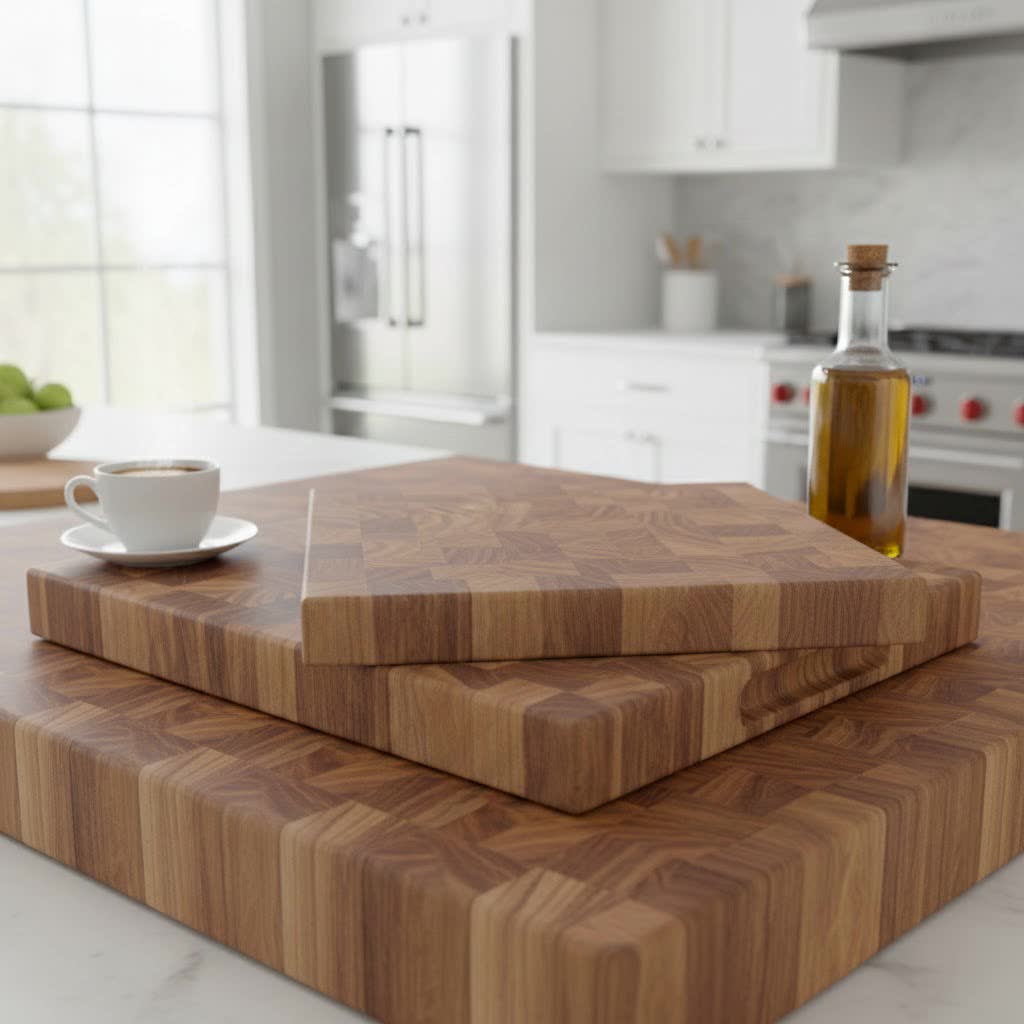
Popular Types of Cutting Boards
Choosing a large cutting board involves understanding the characteristics of different materials. Each type brings its own set of advantages and considerations, impacting everything from knife longevity to hygiene and aesthetics.
Wood Cutting Boards
Wood cutting boards are often considered the gold standard in kitchens worldwide, especially for large formats. They offer a classic appeal and a host of practical benefits.
- Pros: Wood is naturally self-healing and gentle on knife blades, helping them stay sharper longer. Many woods possess inherent antimicrobial properties, contributing to a more hygienic surface. Their substantial weight provides excellent stability, preventing slips and slides during vigorous chopping. Aesthetically, a large wooden cutting board, particularly an end-grain design, can be a stunning focal point in any kitchen. They are also incredibly durable and, with proper care, can last for many years.
- Cons: Wooden boards require more maintenance than other types. They are not dishwasher-safe and need to be hand-washed, dried immediately, and regularly conditioned with mineral oil to prevent drying, cracking, and warping. They can also be quite heavy, making them challenging to move and store.
- Common Wood Types:
- Teak: Known for its exceptional water resistance and natural oils, making it highly durable and antimicrobial. It’s often sustainably sourced.
- Walnut: A slightly softer wood than maple, making it even gentler on knives. It boasts a beautiful dark-brown hue and rich grain patterns.
- Maple: A hard, dense wood offering excellent durability and resilience. It’s a popular choice for its light color and robustness.
- Care for Wood Boards: Always hand wash with hot, soapy water immediately after use. Avoid soaking, which can lead to warping or cracking. Dry thoroughly with a towel and allow it to air dry completely. Condition regularly with food-grade mineral oil or board cream, especially when the wood appears dry or dull, to maintain its moisture barrier and prevent damage.
|
Our Picks for the Best Cutting Board in 2026
As an Amazon Associate I earn from qualifying purchases.
|
||
| Num | Product | Action |
|---|---|---|
| 1 | Bamboo Cutting Boards for Kitchen, Extra Large Wood Cutting Board with Deep Juice Groove and Handle Heavy Duty Chopping board, Kikcoin, 17.6" x 12" |

|
| 2 | Kikcoin Extra Large Bamboo Cutting Boards, (Set of 3) Chopping Boards with Juice Groove Bamboo Wood Cutting Board Set Butcher Block for Kitchen, End Grain Serving Tray |
|
| 3 | GORILLA GRIP BPA-Free Reversible Kitchen Cutting Board Set of 3, US Designed, Nonporous, Juice Grooves Catch Liquid, Slip Resistant Border, Dishwasher Safe, Durable Large Food Chopping Boards, Black |
|
| 4 | Keechee Bamboo Cutting Board, Durable Wood Cutting Boards for Kitchen with Deep Juice Grooves & Built-in Handles, Ideal Charcuterie & Chopping for Meat, Vegetables and Fruits Ideal Kitchen Gifts |
|
| 5 | Bamboo Cutting Boards for Kitchen [Set of 3] Wood Cutting Board for Chopping Meat, Vegetables, Fruits, Cheese, Knife Friendly Serving Tray with Handles |
|
| 6 | Extra Large Cutting Boards, Plastic Cutting Boards for Kitchen (Set of 3) Cutting Board Set Dishwasher Chopping Board with Juice Grooves Easy-Grip Handles, Dark Grey, Empune |
|
| 7 | Bamboo Cutting Board for Kitchen Meal Prep & Serving, 3-Piece Wooden Set with Juice Grooves, Side Handles, Non-Slip Mats – Ideal for Meat, Veggies, Fruit – Ideal Gift for the Home |
|
| 8 | Checkered Acacia Wood Cutting Board for Kitchen – Wooden Chopping Board, Durable Checkered Charcuterie Board for Meat, Fruit, Cheese & Vegetables, 16" x 11" x 1" |
|
| 9 | Titanium Cutting Board for Kitchen, Cutting Board Double Sided Food Grade, Pure Titanium/PP, Easy to Clean Large Size 16”×11” |
|
| 10 | Acacia Wood Cutting Board with Handle, 16x8 Inch Large Kitchen Chopping Board for Meat and Cheese, Butcher Block Serving Tray for Charcuterie, Bread and Fruit |
|
Plastic Cutting Boards
Plastic cutting boards are a common sight in many kitchens, prized for their practicality and ease of cleaning. They are a popular choice for those seeking a low-maintenance option.
- Pros: Plastic boards are non-porous and generally dishwasher-safe, making them very easy to sanitize, especially after handling raw meats or poultry. They are typically lighter and more affordable than wood or bamboo, offering a cost-effective solution. Their flexibility can also be an advantage for transferring chopped ingredients.
- Cons: While generally easy on knives initially, plastic can develop deep gouges and scratches over time, which can harbor bacteria and become difficult to clean. Unlike wood, plastic doesn’t “self-heal,” and deeply scarred boards eventually need to be replaced for hygiene reasons. They can also slide on countertops if not equipped with non-slip feet.
- Usage Notes for Plastic Boards: For optimal hygiene, it’s recommended to have separate plastic boards for raw meat and produce. Always wash them thoroughly, preferably in a dishwasher with hot water, to ensure proper sanitation. Replace them when they show significant knife marks.
Bamboo Cutting Boards
Bamboo cutting boards present an eco-friendly alternative to traditional wood, appealing to environmentally conscious consumers. They offer a distinct look and feel.
- Pros: Bamboo is a highly sustainable and fast-growing resource, making it an excellent choice for those prioritizing environmental impact. It is naturally lightweight, yet sturdy, and often comes at a more accessible price point than premium hardwoods. Its dense structure makes it somewhat resistant to water absorption.
- Cons: Bamboo can be harder on knife blades than traditional hardwoods, potentially dulling them faster. Like wood, most bamboo boards require hand-washing and regular oiling to prevent drying and cracking. Some designs might also be thinner, offering less stability for heavy-duty tasks.
- Cleaning and Care for Bamboo Boards: Hand wash with warm, soapy water and dry immediately. Avoid prolonged soaking. Conditioning with mineral oil helps maintain its integrity and appearance, extending its lifespan.
Glass Cutting Boards
While visually striking and easy to clean, glass cutting boards come with significant drawbacks that make them less ideal for general use.
- Pros: Glass boards are non-porous, highly resistant to stains and odors, and incredibly easy to wipe clean or put in the dishwasher. They can withstand high temperatures and often feature decorative designs, making them suitable for serving or as trivets.
- Cons: The primary disadvantage of glass cutting boards is their extreme hardness, which will rapidly dull and damage knife edges. The unyielding surface can also make chopping unpleasant due to the loud noise and the sensation of the knife “skipping.” They are also fragile and prone to breaking or chipping if dropped.
- Caution for Glass Boards: Due to their detrimental effect on knife sharpness, glass cutting boards are generally not recommended for regular food preparation. They are best reserved for serving, protecting countertops, or as decorative pieces.
Comparison Table: Large Cutting Board Materials
| Feature | Wood (Maple, Walnut, Teak) | Plastic (HDPE, Polypropylene) | Bamboo | Glass |
|---|---|---|---|---|
| Durability | Excellent (with proper care) | Good (but scars, needs replacement) | Good (can be harder than wood) | Fragile (can chip/break) |
| Knife Friendliness | Excellent (self-healing, soft) | Good (but dulls over time) | Fair (can dull knives) | Very Poor (dulls/damages knives quickly) |
| Antibacterial | Natural properties (especially wood) | None (relies on sanitization) | Natural (to a degree) | None (relies on sanitization) |
| Sanitation | Hand wash, oiling | Dishwasher safe, replace when scarred | Hand wash, oiling | Dishwasher safe |
| Safety (Stability) | Excellent (heavy, stable) | Fair (can slip, needs non-slip feet) | Good (lighter than wood, can slip) | Fair (can slip, very hard surface) |
| Aesthetics | Superior (natural beauty) | Functional, less aesthetic | Good (natural, modern look) | Varies (often decorative) |
| Price Range | Higher | Lower | Medium | Lower |
| Maintenance | High (oiling, hand wash) | Low (dishwasher safe) | Medium (oiling, hand wash) | Low (dishwasher safe) |
| Best Use For | All-purpose, carving, serving, display | Meat prep, high sanitation needs | General prep, eco-friendly choice | Serving, countertop protection |
Buying Guide: How to Choose Your Ideal Large Cutting Board
Selecting a large cutting board is an investment that can significantly impact your cooking efficiency and enjoyment. Consider these factors to make the best choice for your kitchen.
Determine Your Usage Needs
Before diving into materials and brands, reflect on how you primarily cook and what you expect from a large cutting board.
- What will you be cutting most frequently? If you often break down whole chickens, carve large roasts, or prepare extensive amounts of vegetables for meal prepping, a substantial board with a juice groove is essential. For bakers, a large, smooth surface is invaluable for kneading dough or rolling out pastry.
- What size fits your kitchen? “Large” typically means at least 18-20 inches on one side, with some stretching to 24×36 inches. Measure your available countertop space carefully, considering where the board will sit during use and where it will be stored. A board that’s too large can be cumbersome, while one too small defeats the purpose of an oversized option.
- What is your budget? Large, high-quality wooden cutting boards, especially end-grain butcher blocks, represent a significant investment but offer superior durability and knife care. Plastic or bamboo options are generally more budget-friendly.
Material Matters for Safety and Performance
The material dictates not only the board’s longevity but also its interaction with your knives and its overall hygiene.
- Prioritize a knife-friendly material: For the sake of your valuable knives, opt for wood or high-quality plastic. End-grain wooden boards are particularly kind to blades, as knife edges slide between the wood fibers rather than cutting against them.
- Consider antibacterial properties: While all boards need cleaning, wood’s natural antibacterial qualities provide an added layer of reassurance. For plastic, ensure it’s BPA-free if concerned about chemical leaching.
- Ease of cleaning and sanitation: If dishwasher-safe convenience is a top priority, plastic is your best bet. However, remember that deep scratches in plastic can negate its hygienic benefits over time.
Brand Reputation and Value
Investing in a well-regarded brand often guarantees better quality, craftsmanship, and customer support.
- Reputable Brands: Brands like John Boos, Teakhaus, Dalstrong, and Virginia Boys Kitchens are frequently cited for their high-quality large wooden cutting boards. For plastic, OXO often receives praise for durable and well-designed options.
- Value vs. Price: A higher upfront cost for a premium wooden board is often justified by its longevity, performance, and aesthetic appeal. Consider it a long-term investment. Conversely, a more affordable plastic board might offer great value if you understand its limitations and plan to replace it as needed.
Important Usage and Care Considerations
Regardless of the board you choose, proper usage and care are crucial for extending its life and maintaining hygiene.
- Always clean immediately: Wash your cutting board after each use. For wood and bamboo, hand washing with hot, soapy water is key. For plastic, a dishwasher offers thorough sanitization.
- Sanitize regularly: Beyond daily washing, consider periodic sanitization. A diluted bleach solution (for plastic) or a vinegar solution (for wood and bamboo) can help kill lingering bacteria.
- Proper storage is essential: Store boards vertically on their edge to allow for even airflow and prevent warping. Ensure they are completely dry before storing in a cool, well-ventilated area. Never store a wet board flat.
- Prevent cross-contamination: It’s a good practice to designate separate boards for raw meats and produce, regardless of material, to minimize the risk of foodborne illness.
Conclusion
Choosing the perfect large cutting board is a decision that impacts not just your cooking, but also the longevity of your knives and the hygiene of your kitchen. From the timeless elegance and knife-friendly nature of a sturdy wooden block to the practical sanitation of a large plastic board, each option offers distinct advantages. By carefully considering your cooking habits, kitchen space, and maintenance preferences, you can find an oversized cutting board that provides ample workspace, enhances safety, and elevates your culinary endeavors. This essential kitchen tool is more than just a surface; it’s the foundation for countless delicious meals and a testament to a well-equipped kitchen.
What culinary adventures will you embark on with your new, expansive cutting surface?
Frequently Asked Questions
What dimensions qualify a cutting board as “large”?
While there are no official standards, a large cutting board typically measures 18 inches or more on its longest side. Many professional and oversized home kitchen boards range from 18×24 inches up to 24×36 inches, providing significant working space for various tasks.
Is a thick large cutting board always better?
Generally, yes. A thicker large cutting board (1 inch or more, with end-grain wood ideally 2 inches thick) offers greater stability during heavy chopping, is less prone to warping, and can significantly extend the board’s lifespan due to its robust construction.
Can I use my large cutting board for both meat and vegetables?
While possible, it is highly recommended to use separate cutting boards for raw meats and vegetables to prevent cross-contamination. If you only have one large board, ensure thorough washing and sanitization between uses, or designate one side for meat and the other for produce.
How often should I oil my wooden large cutting board?
The frequency depends on usage and climate, but a good rule of thumb is to oil your wooden large cutting board once a month, or whenever the wood appears dry, dull, or lighter in color. Regular oiling prevents cracking, warping, and helps maintain its natural beauty.
Are large cutting boards difficult to store?
Large cutting boards can be challenging to store due to their size and weight. Solutions include storing them vertically on their edge in a cabinet, using specialized cutting board racks, or displaying a beautiful wooden board permanently on your countertop as a design feature.
Why do some large wooden cutting boards have “end grain” construction?
End grain construction means the wood fibers are oriented vertically, like tree rings. This allows knife blades to slide between the fibers, making it exceptionally gentle on knives and more resistant to visible knife marks. This “self-healing” property contributes to both knife longevity and board durability.
Can a large cutting board help with kitchen organization?
Absolutely. A spacious large cutting board provides a dedicated and ample workspace, allowing you to keep ingredients separated and your prep area tidy. Some large boards can even be placed over a sink or stovetop to temporarily expand countertop space when needed, enhancing overall kitchen flow.
