Stepping into the kitchen, the right tools can elevate your culinary journey from mundane to magnificent. Among these, the cutting board stands as a silent workhorse, yet its impact on your knife’s edge, food safety, and overall kitchen aesthetic is profound. For those who demand both beauty and unparalleled performance, the Walnut End Grain Cutting Board emerges as a true masterpiece. With over a decade of hands-on experience evaluating countless cutting surfaces, I’ve witnessed firsthand how this particular craftsmanship transforms daily food preparation, offering a blend of elegance and resilience that few others can match. This guide will walk you through everything you need to know to choose, use, and cherish your walnut end grain cutting board, ensuring it becomes a prized possession in your kitchen for years to come.
The Art of Crafting Cutting Boards: An Overview
Choosing a cutting board is more than just picking a surface; it’s about understanding the synergy between material, construction, and your culinary habits. Let’s explore the common types available, with a special focus on the nuances of wood, particularly the esteemed walnut end grain.
Wood Cutting Boards
Wood cutting boards are a timeless staple, celebrated for their natural beauty and forgiving nature on knife blades. Unlike hard, unforgiving surfaces, wood’s inherent give allows knife edges to slice between fibers rather than directly into them, preserving sharpness. However, their longevity and hygiene depend significantly on the type of wood and its construction.
- Advantages and Disadvantages: Wood boards offer superior knife preservation and can be highly durable with proper care. Many also possess natural antimicrobial properties. On the downside, they require regular maintenance, including oiling, and are not dishwasher safe. Without proper care, they can warp, crack, or harbor bacteria.
- Common Wood Types:
- Teak: Known for its high oil content and density, making it naturally water-resistant and durable.
- Maple: A very hard, light-colored wood, often praised for its durability and smooth surface, though it can be harder on knives than walnut.
- Walnut: Prized for its rich, dark aesthetic and a balanced hardness that is exceptionally gentle on knives while remaining robust. Its beautiful grain patterns make each board a unique piece of art.
- Understanding End Grain vs. Edge Grain Construction:
- Edge Grain: This is the more common construction, where long strips of wood are glued together with the grain running horizontally. Edge grain boards are durable, more affordable, and require less frequent oiling. They are still good for knives compared to plastic or glass, but over time, knife marks become visible and may require sanding.
- End Grain: In this superior construction, small blocks of wood are arranged so their end fibers face upwards, exposing the cross-section of the tree. When a knife cuts into an end grain board, it slides between these fibers, which then “self-heal” by closing back up. This significantly reduces visible knife marks and keeps your knives sharper for much longer. Walnut end grain cutting boards are the epitome of this design, showcasing a beautiful, often checkerboard-like pattern that adds a luxurious touch to any kitchen. This method is more labor-intensive, making end grain boards typically more expensive and heavier, and they require more frequent oiling due to the exposed fibers.
|
Our Picks for the Best Cutting Board in 2026
As an Amazon Associate I earn from qualifying purchases.
|
||
| Num | Product | Action |
|---|---|---|
| 1 | Bamboo Cutting Boards for Kitchen [Set of 3] Wood Cutting Board for Chopping Meat, Vegetables, Fruits, Cheese, Knife Friendly Serving Tray with Handles |
![Check Bamboo Cutting Boards for Kitchen [Set of 3] Wood Cutting Board for Chopping Meat, Vegetables, Fruits, Cheese, Knife Friendly Serving Tray with Handles on Amazon](https://reviewerpri.com/wp-content/plugins/amazon-tables/assets/images/buy.png)
|
| 2 | Acacia Wood Cutting Board with Handle, 16x8 Inch Large Kitchen Chopping Board for Meat and Cheese, Butcher Block Serving Tray for Charcuterie, Bread and Fruit |
|
| 3 | Keechee Bamboo Cutting Board, Durable Wood Cutting Boards for Kitchen with Deep Juice Grooves & Built-in Handles, Ideal Charcuterie & Chopping for Meat, Vegetables and Fruits Ideal Kitchen Gifts |
|
| 4 | Bamboo Cutting Board for Kitchen Meal Prep & Serving, 3-Piece Wooden Set with Juice Grooves, Side Handles, Non-Slip Mats – Ideal for Meat, Veggies, Fruit – Ideal Gift for the Home |
|
| 5 | Extra Large Cutting Boards, Plastic Cutting Boards for Kitchen (Set of 3) Cutting Board Set Dishwasher Chopping Board with Juice Grooves Easy-Grip Handles, Dark Grey, Empune |
|
| 6 | Titanium Cutting Board for Kitchen, Cutting Board Double Sided Food Grade, Pure Titanium/PP, Easy to Clean Large Size 16”×11” |
|
| 7 | Bamboo Cutting Boards for Kitchen, Extra Large Wood Cutting Board with Deep Juice Groove and Handle Heavy Duty Chopping board, Kikcoin, 17.6" x 12" |
|
| 8 | Kikcoin Extra Large Bamboo Cutting Boards, (Set of 3) Chopping Boards with Juice Groove Bamboo Wood Cutting Board Set Butcher Block for Kitchen, End Grain Serving Tray |
|
| 9 | GORILLA GRIP BPA-Free Reversible Kitchen Cutting Board Set of 3, US Designed, Nonporous, Juice Grooves Catch Liquid, Slip Resistant Border, Dishwasher Safe, Durable Large Food Chopping Boards, Black |
|
| 10 | Checkered Acacia Wood Cutting Board for Kitchen – Wooden Chopping Board, Durable Checkered Charcuterie Board for Meat, Fruit, Cheese & Vegetables, 16" x 11" x 1" |
|
Plastic Cutting Boards
Plastic cutting boards are a popular choice due to their affordability and convenience. They are lightweight and often come in various colors, which can be useful for preventing cross-contamination by designating different boards for different food types.
- Advantages and Disadvantages: Plastic boards are generally dishwasher safe, making sanitation seem straightforward. They are also non-porous when new. However, plastic surfaces are prone to deep knife scores that can harbor bacteria, which become almost impossible to clean effectively even in a dishwasher. These cuts can also release microplastics into your food over time. They are not as gentle on knives as wood and can easily warp in high heat.
- Common Plastics: High-density polyethylene (HDPE) and polypropylene (PP) are frequently used for their durability and food-safe properties.
Bamboo Cutting Boards
Often marketed as an eco-friendly alternative, bamboo cutting boards are made from a fast-growing, sustainable grass. They often feature a distinct light, striped appearance.
- Advantages and Disadvantages: Bamboo is a highly renewable resource, resistant to water and stains, and generally more affordable than quality hardwood. Some bamboo boards also have natural antimicrobial properties. However, bamboo is significantly harder than most woods, including walnut and maple, meaning it can dull knives more quickly. The small grooves in bamboo can sometimes catch knife blades, interrupting a smooth cutting motion. They can also be prone to splitting if not properly maintained.
- Maintenance: Like wood, bamboo boards require regular oiling to prevent drying and cracking, and they should never be soaked or put in a dishwasher.
Glass Cutting Boards
Glass cutting boards offer a sleek, modern aesthetic and are non-porous, making them very easy to clean and resistant to absorbing odors or bacteria.
- Advantages and Disadvantages: Their non-porous surface makes them highly hygienic and heat-resistant, functioning well as trivets. However, glass is notoriously harsh on knife edges, leading to rapid dulling. The smooth surface can also be slippery, posing a safety risk, and they can chip or shatter if dropped, creating dangerous shards. Glass offers no “give” under a knife, which can lead to wrist fatigue during extensive prep work.
- Critical Drawbacks for Knife Longevity: For any serious cook, the primary drawback of glass is its detrimental effect on knife sharpness. It’s universally recommended to avoid glass boards if you value your knives.
Walnut End Grain Cutting Board: A Deep Dive
Among all the options, the walnut end grain cutting board stands out as a premium choice, offering a unique blend of aesthetics, functionality, and longevity that appeals to both seasoned chefs and home cooking enthusiasts.
Unparalleled Aesthetics and Kitchen Appeal
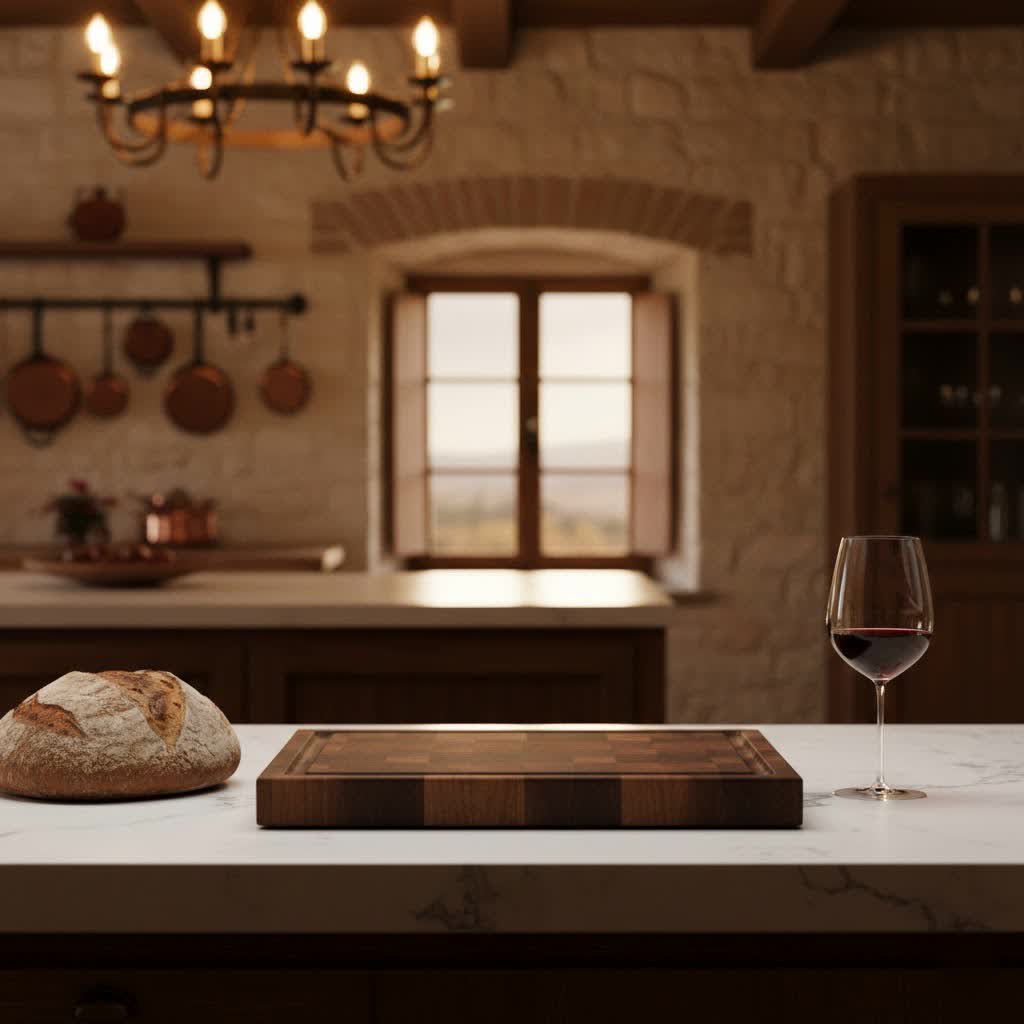
What first draws many to walnut end grain boards is their sheer beauty. Walnut wood is celebrated for its rich, deep brown hues, often accented with lighter streaks that create a stunning visual depth. The end grain construction further enhances this, revealing a distinctive checkerboard or mosaic pattern that highlights the natural growth rings and fibers of the wood. Each board is a unique piece of functional art, capable of adding warmth and character to any kitchen countertop, even doubling as an elegant serving platter for charcuterie or cheese.
Superior Knife Preservation and Self-Healing Properties
The true magic of an end grain cutting board, especially one crafted from walnut, lies in its remarkable ability to protect your knives. Unlike other surfaces where a knife blade slices through wood fibers, an end grain board allows the blade to glide between the upright fibers. These fibers then naturally close back up, much like a dense brush, after the knife is lifted. This “self-healing” action dramatically reduces wear and tear on your knife edges, keeping them sharper for significantly longer periods. “This unique construction means your knife blades stay honed, which is not just about convenience, but about safety and precision in every cut,” says John Boos, a renowned expert in cutting board craftsmanship. [cite: 3 (end grain vs edge grain)]
Durability, Longevity, and Natural Antimicrobial Benefits
Walnut is a durable hardwood, resilient against warping, cracking, and splitting when properly cared for. The end grain construction further enhances this durability, allowing the board to withstand years of heavy chopping and slicing. Furthermore, walnut possesses natural antimicrobial properties, containing compounds like juglone that actively inhibit bacterial growth. Studies have shown that properly maintained hardwood boards can harbor less bacteria than plastic alternatives, making them a hygienic choice for food preparation. [cite: 4 (walnut pros & cons)]
Understanding the Investment: Cost vs. Value
Walnut end grain cutting boards typically come with a higher price tag than their edge grain, plastic, or bamboo counterparts. This is primarily due to the labor-intensive craftsmanship involved in cutting and arranging the individual wood blocks. However, considering their longevity, superior knife preservation, and aesthetic appeal, many find the initial investment to be thoroughly justified. “While the upfront cost might be higher, a well-maintained walnut end grain board is an investment that truly pays off, potentially lasting decades and outperforming cheaper alternatives many times over,” notes our internal expert. With proper care, these boards can become cherished heirlooms rather than disposable kitchen items.
Comparison Table: Walnut End Grain vs. Other Popular Materials
To help you make an informed decision, here’s a detailed comparison of walnut end grain cutting boards against other common materials:
| Feature | Walnut End Grain Board | Walnut Edge Grain Board | Plastic Board | Bamboo Board | Glass Board |
|---|---|---|---|---|---|
| Durability | Excellent; self-healing, resists deep cuts | Very Good; durable, shows some marks | Moderate; prone to deep scratches, may warp | Good; can split, harder on knives | Poor; fragile, can chip/shatter |
| Knife-Friendliness | Outstanding; preserves edge, reduces dulling | Very Good; gentle on knives | Poor; dulls knives, creates grooves | Moderate; harder on knives, can dull quickly | Terrible; rapidly dulls and damages knives |
| Hygiene | Excellent; natural antimicrobial, easy to clean surface | Very Good; natural antimicrobial, easy to clean surface | Moderate; harbors bacteria in scratches | Good; some antimicrobial, porous | Excellent; non-porous, easy to sanitize (initially) |
| Aesthetics | Luxurious, unique checkerboard pattern, deep colors | Classic, linear grain patterns, warm tones | Basic, utilitarian, various colors | Rustic, light-toned, distinct striped pattern | Modern, sleek, transparent |
| Cost | High (premium investment) | Medium | Low | Low-Medium | Low |
| Maintenance | High (frequent oiling, hand wash, proper drying) | Medium (less frequent oiling, hand wash, proper drying) | Low (dishwasher safe when new, needs replacement) | Medium (oiling, hand wash, proper drying) | Low (dishwasher safe, but fragile) |
- Recommendations:
- For the Serious Home Cook/Professional Chef: Walnut End Grain is the ultimate choice for those prioritizing knife longevity, durability, and a professional-grade aesthetic.
- For Everyday Home Use (Value-focused): Walnut Edge Grain offers a great balance of knife-friendliness, durability, and affordability.
- For Basic Prep/Budget-Conscious: Plastic can be a practical, albeit short-lived, option if regularly replaced.
- For Eco-Conscious (with knife consideration): Bamboo is sustainable but be mindful of its hardness on knives.
- Avoid: Glass is generally not recommended for cutting tasks due to its detrimental effect on knives.
Your Comprehensive Buying Guide for Walnut End Grain Cutting Boards
Investing in a walnut end grain cutting board is a decision that can enhance your kitchen experience for years. Here’s how to choose the perfect one.
Defining Your Culinary Needs
Before purchasing, consider how you’ll primarily use the board:
- Primary use: Will it be for heavy-duty meat carving, delicate vegetable slicing, general everyday prep, or perhaps doubling as a serving platter? A board with a juice groove is excellent for meats, while a flat surface is versatile for all other tasks.
- Ideal size: Measure your kitchen counter space. Larger boards offer more working area but require more storage. Smaller boards are convenient for quick tasks.
- Budget considerations: While an investment, understand that quality walnut end grain boards offer superior long-term value compared to cheaper, less durable alternatives that need frequent replacement.
Essential Material Qualities
When selecting your walnut end grain board, look for these key attributes:
- Why choose Walnut: Opt for food-grade, sustainably sourced walnut. Ensure no harmful chemicals or BPA are used in its treatment or glues. Walnut’s inherent beauty and balanced hardness are unmatched.
- Focus on End Grain: Confirm the board is true end grain construction. This ensures the “self-healing” property and optimal knife preservation. The visible checkerboard pattern is a clear indicator.
- Antimicrobial aspects and easy cleaning: While walnut has natural antimicrobial properties, a well-sanded, smooth surface is crucial for easy cleaning. Avoid boards with rough patches where food particles could cling.
Reputable Brands and Value Proposition
Researching brands known for their craftsmanship in wooden cutting boards is key. Look for those that emphasize quality materials, proper construction techniques, and clear care instructions. Read reviews and consider the brand’s commitment to sustainability. Comparing the value—durability, knife-friendliness, aesthetics, and expected lifespan—against the price will help you see the long-term benefit of a quality investment. A well-made board from a reputable source is likely to last much longer, proving more cost-effective over time.
Mastering Care and Maintenance for Your Walnut End Grain Board
To ensure your walnut end grain cutting board lasts for decades, consistent and correct care is paramount. Treat it with the respect it deserves, and it will reward you with unparalleled performance.
- Daily Cleaning Best Practices: After each use, hand wash your board immediately with warm water and a mild dish soap. Use a soft sponge or brush to remove food residue. Crucially, wash all six sides of the board—top, bottom, and edges—to ensure even expansion and contraction of the wood fibers, which prevents warping. Never submerge or soak your board in water, as this can lead to cracking and warping.
- Regular Oiling and Conditioning for Longevity: Walnut end grain boards are “thirstier” than other wood boards due to their exposed fibers. This means they require more frequent oiling. Apply food-grade mineral oil (or walnut oil) generously every 2-4 weeks, or whenever the board appears dry. Allow the oil to soak in for at least 4-6 hours, or preferably overnight, then wipe off any excess. This replenishes the wood’s moisture, preventing it from drying out, cracking, and extending its lifespan. Following up with a wood conditioning paste can add an extra layer of protection and shine.
- Proper Storage to Prevent Warping and Cracking: After washing and towel drying, always stand your board upright on its edge or in a drying rack to allow for even airflow around all surfaces. Never leave a wet board lying flat on a countertop, as this encourages moisture to collect underneath, leading to uneven drying and warping. Store it in a dry, well-ventilated area, away from direct sunlight, extreme heat sources (like ovens or dishwashers), and fluctuating humidity levels (ideally between 40-60% humidity).
- Avoiding Common Pitfalls:
- Dishwashers and Soaking: Absolutely avoid these at all costs. The intense heat, harsh detergents, and prolonged water exposure will destroy your board.
- Harsh Chemicals and Bleach: These strip the natural oils from the wood and can degrade its integrity, potentially creating rough spots that harbor bacteria. Use a vinegar-and-water solution or baking soda paste for tougher stains.
- Serrated Knives and Cleavers: While end grain is durable, serrated knives can tear the wood fibers, leaving permanent scars. Cleavers, if used improperly, can also cause significant damage. Stick to smooth-edged knives for best results.
- Cross-Contamination: Use separate cutting boards for raw meats/poultry/fish and fresh produce to ensure optimal food safety.
In the world of culinary tools, a walnut end grain cutting board stands as a testament to durability, beauty, and thoughtful design. It’s an investment that significantly enhances your cooking experience by protecting your valuable knives, offering a hygienic prep surface, and bringing a touch of elegance to your kitchen. By understanding its unique construction and committing to its simple, yet essential, care routine, you ensure this remarkable piece will serve you faithfully for generations. Why settle for less when you can experience the unmatched performance and timeless appeal of a truly exceptional cutting board?
What kind of culinary masterpiece will you create on your new walnut end grain cutting board?
Frequently Asked Questions
What makes walnut end grain superior to other wood types?
Walnut end grain excels due to its unique combination of aesthetic appeal, moderate hardness, and self-healing construction. Its rich color and grain are visually stunning, while its balanced density is incredibly gentle on knife edges. The end grain orientation allows fibers to part and re-close, minimizing visible knife marks and extending both the board’s and your knives’ lifespan.
How often should I oil my walnut end grain cutting board?
You should oil your walnut end grain cutting board approximately every 2-4 weeks, or whenever the wood begins to look dry or dull. End grain boards tend to absorb oil more readily due to their exposed fibers. Regularly applying food-grade mineral oil is crucial to prevent drying, cracking, and warping, maintaining its beauty and functionality.
Can a walnut end grain cutting board really self-heal?
Yes, a walnut end grain cutting board truly possesses self-healing properties. When a knife blade makes contact, it slides between the wood fibers rather than severing them. These fibers then naturally close back up, significantly reducing visible knife marks and maintaining a smoother, more hygienic surface over time.
Are walnut end grain cutting boards truly more hygienic?
Properly maintained walnut end grain cutting boards are highly hygienic. Hardwoods like walnut naturally inhibit bacterial growth faster and more completely than plastic. The self-healing nature of end grain also means fewer deep grooves where bacteria can accumulate. Regular cleaning and oiling are key to maximizing these natural antimicrobial benefits.
What’s the biggest drawback of owning a walnut end grain cutting board?
The biggest drawback is typically the higher initial cost due to the labor-intensive construction process. Additionally, walnut end grain boards require more consistent maintenance, particularly more frequent oiling, compared to edge grain or plastic boards, to prevent drying, warping, or cracking.
