The cutting board, often an unsung hero in the kitchen, plays a pivotal role in not just preparing meals, but also in ensuring food safety, preserving your knives, and elevating the overall cooking experience. For those who frequently handle meat, selecting the right cutting board isn’t merely a preference—it’s a critical decision. From perfectly carving a succulent roast to safely prepping raw poultry, the ideal cutting board makes all the difference. This comprehensive guide, informed by over a decade of hands-on experience, will explore various types of cutting boards, essential features, and crucial care tips, helping you discover the best cutting board for meat that meets your specific needs.
Types of Cutting Boards for Meat
Understanding the characteristics of different materials is the first step in finding your perfect meat cutting board. Each type offers distinct advantages and disadvantages, impacting durability, hygiene, and knife longevity.
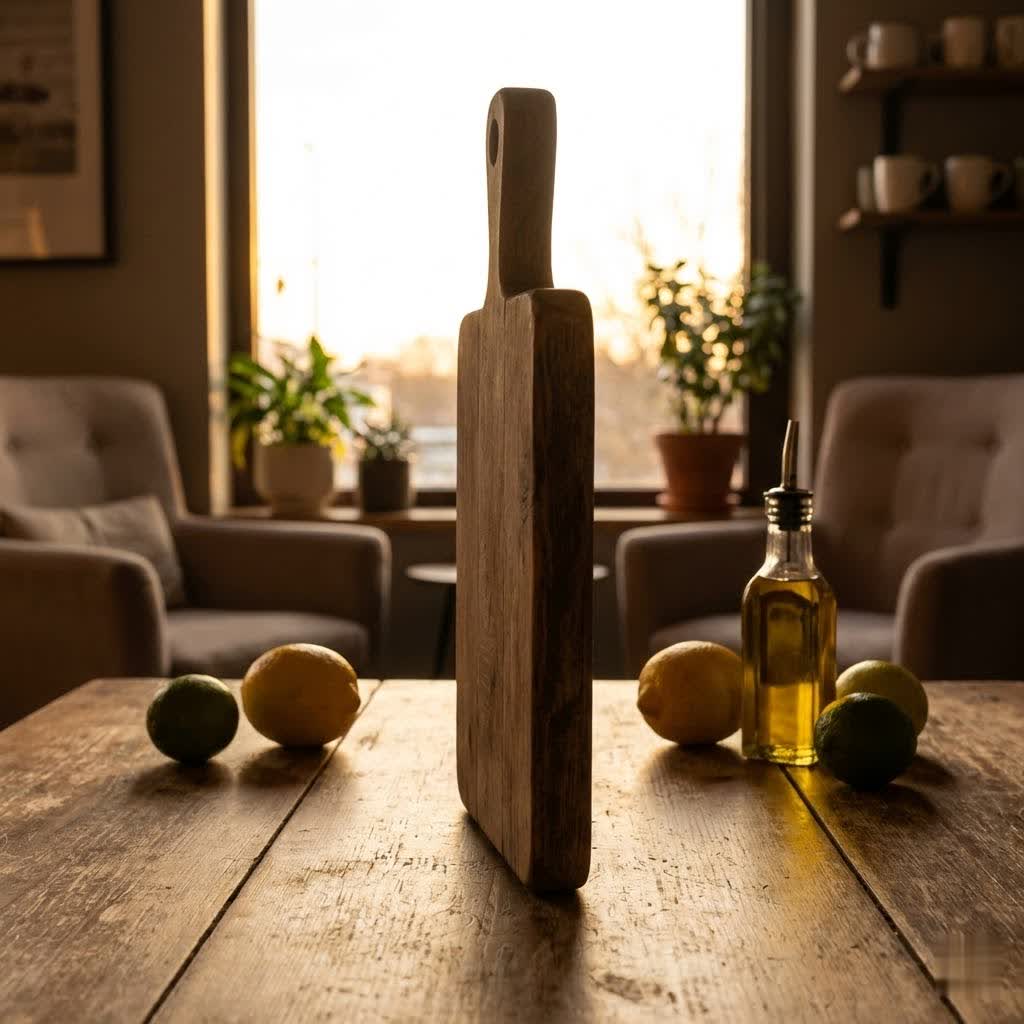
Wood Cutting Boards
Wood cutting boards have long been a favorite among home cooks and professional chefs alike, particularly for carving cooked meats. [cite: 5 (hygiene)]
- Pros: Wood, especially hardwoods like maple, walnut, and teak, is renowned for being gentle on knife blades, helping to maintain their sharpness over time. Many hardwoods also possess natural antimicrobial properties, which can inhibit bacterial growth. [cite: 5 (hygiene)] These boards are durable, stable, and can be aesthetically pleasing, often serving as beautiful presentation platters. End-grain wood boards are particularly valued for their “self-healing” properties, where knife cuts go between the wood fibers rather than severing them, making them exceptionally knife-friendly and resistant to deep gouges.
- Cons: Wooden boards require more maintenance than their plastic counterparts, including regular oiling with food-grade mineral oil to prevent drying, cracking, and warping. They are not dishwasher-safe and must be hand-washed, and soaking them in water can lead to damage. [cite: 3 (hygiene)]
- Types of Wood:
- Maple: A popular choice due to its hardness, tight grain, and resistance to moisture absorption, making it less prone to harboring bacteria.
- Walnut: Known for its dark color, which elegantly conceals knife marks and stains, and its good balance of hardness and knife-friendliness.
- Teak: This wood contains natural oils that make it highly resistant to water and mold, offering excellent durability and hiding minor scratches well. [cite: 3 (meat carving)]
- Care: To ensure longevity and hygiene, wooden cutting boards should be thoroughly cleaned with hot, soapy water after each use, rinsed, and dried immediately. Regular oiling (at least monthly) is crucial to prevent the wood from drying out and cracking.
|
Our Picks for the Best Cutting Board in 2026
As an Amazon Associate I earn from qualifying purchases.
|
||
| Num | Product | Action |
|---|---|---|
| 1 | Kikcoin Extra Large Bamboo Cutting Boards, (Set of 3) Chopping Boards with Juice Groove Bamboo Wood Cutting Board Set Butcher Block for Kitchen, End Grain Serving Tray |

|
| 2 | Bamboo Cutting Board for Kitchen Meal Prep & Serving, 3-Piece Wooden Set with Juice Grooves, Side Handles, Non-Slip Mats – Ideal for Meat, Veggies, Fruit – Ideal Gift for the Home |
|
| 3 | Keechee Bamboo Cutting Board, Durable Wood Cutting Boards for Kitchen with Deep Juice Grooves & Built-in Handles, Ideal Charcuterie & Chopping for Meat, Vegetables and Fruits Ideal Kitchen Gifts |
|
| 4 | Extra Large Cutting Boards, Plastic Cutting Boards for Kitchen (Set of 3) Cutting Board Set Dishwasher Chopping Board with Juice Grooves Easy-Grip Handles, Dark Grey, Empune |
|
| 5 | Acacia Wood Cutting Board with Handle, 16x8 Inch Large Kitchen Chopping Board for Meat and Cheese, Butcher Block Serving Tray for Charcuterie, Bread and Fruit |
|
| 6 | Titanium Cutting Board for Kitchen, Cutting Board Double Sided Food Grade, Pure Titanium/PP, Easy to Clean Large Size 16”×11” |
|
| 7 | Bamboo Cutting Boards for Kitchen [Set of 3] Wood Cutting Board for Chopping Meat, Vegetables, Fruits, Cheese, Knife Friendly Serving Tray with Handles |
|
| 8 | Bamboo Cutting Boards for Kitchen, Extra Large Wood Cutting Board with Deep Juice Groove and Handle Heavy Duty Chopping board, Kikcoin, 17.6" x 12" |
|
| 9 | GORILLA GRIP BPA-Free Reversible Kitchen Cutting Board Set of 3, US Designed, Nonporous, Juice Grooves Catch Liquid, Slip Resistant Border, Dishwasher Safe, Durable Large Food Chopping Boards, Black |
|
| 10 | Checkered Acacia Wood Cutting Board for Kitchen – Wooden Chopping Board, Durable Checkered Charcuterie Board for Meat, Fruit, Cheese & Vegetables, 16" x 11" x 1" |
|
Plastic Cutting Boards
Plastic cutting boards are a ubiquitous presence in kitchens, often recommended for handling raw meats due to their initial non-porous nature and ease of cleaning. [cite: 1, 4 (hygiene)]
- Pros: These boards are typically affordable, lightweight, and many are dishwasher-safe, allowing for thorough sanitization at high temperatures. Their non-porous surface initially prevents juices and bacteria from seeping in. Plastic boards are also often available in various colors, enabling color-coding to prevent cross-contamination between different food types.
- Cons: Over time, plastic cutting boards can develop deep knife grooves that are difficult to clean and can harbor bacteria, necessitating regular replacement. [cite: 4 (hygiene)] They can also be harder on knife blades than wood, leading to faster dulling. Some research has even raised concerns about microplastics being released into food from plastic cutting boards.
- Materials: High-density polyethylene (HDPE) and polypropylene (PP) are common plastics used, chosen for their durability and resistance to warping, staining, and odors.
- Usage Notes: It is vital to clean plastic boards diligently after each use, especially after handling raw meat. Replace them when they show signs of significant wear or deep grooves, usually every year or so with regular use. [cite: 4 (hygiene)]
Bamboo Cutting Boards
Bamboo cutting boards offer an eco-friendly alternative, gaining popularity for their sustainable origins.
- Pros: Bamboo is a highly renewable resource, growing quickly and without extensive pesticides or irrigation, making it an environmentally conscious choice. It absorbs very little moisture and is resistant to scarring from knives, similar to hardwoods, and possesses natural antimicrobial properties. [cite: 5 (hygiene)]
- Cons: While durable, bamboo is generally harder than traditional hardwoods, which can be tougher on knife edges, potentially dulling them faster. It also requires regular oiling to prevent splitting and warping, similar to wood.
- Care: Like wooden boards, bamboo boards should be hand-washed with hot, soapy water and dried promptly. Regular oiling helps maintain their integrity and prevents bacterial buildup in any porous areas.
Other Cutting Board Materials
While wood, plastic, and bamboo are the most common, other materials exist, though they are generally less ideal for cutting meat.
- Glass/Stone/Ceramic: These boards are highly hygienic, non-porous, and easy to clean. However, their extreme hardness will rapidly dull and even damage knife blades, making them a poor choice for meat preparation. They are better suited for serving or as decorative surfaces.
- Composite: Made from heavy-duty resin materials, composite boards offer a hybrid solution, being dishwasher safe, very durable, and requiring no conditioning. They are non-porous and can be a good option for those seeking the benefits of plastic with improved durability.
- Titanium: An emerging option, titanium cutting boards are highlighted for their exceptional hygiene, being non-porous, naturally antimicrobial, and resistant to grooves and cracks, making them potentially superior for raw meat prep. However, they are generally expensive and less widely available. [cite: 1 (hygiene)]
Essential Features for a Meat Cutting Board
Beyond the material, several design features are critical for a high-performing meat cutting board.
Juice Grooves and Wells
When carving juicy roasts, poultry, or briskets, a cutting board with deep juice grooves (also known as a juice well or trench) is indispensable. These channels along the perimeter of the board are designed to catch meat drippings and prevent them from spilling onto your countertop, maintaining a cleaner and safer workspace. [cite: 1 (meat carving)] The deeper and wider the grooves, the more liquid they can contain, which is especially important for large, succulent cuts of meat.
Size and Stability
The best cutting boards for meat are generously sized, providing ample surface area to comfortably hold a large roast or turkey, along with space to lay out sliced pieces. A board that is too small can lead to messy carving and increase the risk of meat slipping. Additionally, stability is paramount. Thick, heavy boards are less likely to shift or spin during carving, offering a secure surface for precise cuts. Many quality boards also feature non-slip feet or silicone edges to enhance stability on your countertop. [cite: 4 (meat carving)]
Meat Grippers or Spikes
For slippery roasts or whole birds, some carving boards incorporate a grid of small spikes or pyramids in the center. These built-in grippers securely hold the meat in place as you carve, preventing it from sliding and enhancing safety. This feature is particularly useful for carving large, unwieldy cuts like prime rib or Thanksgiving turkey. [cite: 4 (meat carving)]
Choosing the Right Cutting Board for Your Needs
Selecting the “best” cutting board ultimately comes down to your primary use, budget, and willingness for maintenance.
Determine Your Primary Use
- Raw Meat Preparation: If you frequently handle raw poultry, fish, or red meat, boards that are easy to sanitize thoroughly are crucial. Plastic or composite boards are often recommended due to their dishwasher-safe properties, though a dedicated, well-maintained wooden board can also be safe if properly cleaned and sanitized. [cite: 4 (hygiene)]
- Carving Cooked Meats: For carving roasted chickens, turkeys, or briskets, a substantial wooden board with deep juice grooves and perhaps grippers is often preferred. Its knife-friendly surface and stability make it ideal for delicate carving.
- All-Purpose: Many households opt for multiple boards: one for raw meats (often plastic or composite, color-coded for safety) and another for cooked foods, vegetables, and bread (typically wood or bamboo).
Material Choice Revisited
- Wood: Best for knife longevity and aesthetic appeal, especially for cooked meats. Choose hardwoods like maple, walnut, or teak. Consider end-grain for superior knife-friendliness.
- Plastic/Composite: Excellent for raw meat due to ease of intense cleaning (dishwasher-safe). Ensure regular replacement for plastic boards once deep grooves form.
- Bamboo: A sustainable option, good for general use, but be mindful of its hardness on knives and ongoing maintenance needs.
Budget and Maintenance
Consider the long-term value. While a high-quality wooden butcher block might have a higher upfront cost, its durability and knife-preserving qualities can make it a worthwhile investment. Factor in the time and effort required for maintenance; if you prefer minimal fuss, dishwasher-safe plastic or composite options might be more suitable, but remember their lifespan might be shorter.
Hygiene and Maintenance: Keeping Your Meat Board Safe
Food safety is paramount, especially when dealing with meat. Proper hygiene practices are essential for any cutting board.
Preventing Cross-Contamination
This is perhaps the most critical aspect of cutting board safety. To prevent the transfer of harmful bacteria from raw meat to other foods, follow these guidelines:
- Separate Boards: Always use a separate cutting board for raw meats, poultry, and seafood than you do for cooked foods, fruits, and vegetables. [cite: 2 (hygiene)] Many chefs use different colored plastic boards to easily distinguish them.
- Wash Hands: Always wash your hands thoroughly with soap and water after handling raw meat and before touching other foods or utensils.
Cleaning and Sanitizing
- After Each Use: All cutting boards should be thoroughly scrubbed with hot, soapy water after each use, especially after contact with raw meat.
- Dishwasher-Safe: Plastic and composite boards can often be run through the dishwasher for a deep clean and sanitization.
- Wood/Bamboo Care: Hand-wash wood and bamboo boards and dry them immediately. Never soak them, as this can lead to warping, cracking, or mold growth.
- Sanitizing Solutions: For an extra layer of sanitation, you can spray wood boards with a solution of white vinegar or hydrogen peroxide (never mix them directly) and let it sit for a few minutes before rinsing. A diluted bleach solution (1 teaspoon bleach per quart of water) can also be used for both wood and plastic. [cite: 3 (hygiene)]
When to Replace Your Cutting Board
Even with diligent care, cutting boards don’t last forever.
- Deep Grooves: Replace plastic boards when deep, irreparable grooves develop, as these can harbor bacteria that are impossible to clean out. [cite: 4 (hygiene)]
- Damage: Any cutting board that is severely warped, cracked, or shows signs of mold should be replaced immediately. Persistent odors are also a sign that bacteria may have taken hold.
Conclusion
Choosing the best cutting board for meat is a decision that impacts not only the efficiency of your kitchen tasks but also the safety and longevity of your culinary tools. Whether you lean towards the traditional elegance and knife-preserving qualities of a solid wood butcher block, the practical hygiene of a plastic or composite board, or the sustainable appeal of bamboo, understanding the unique attributes of each material is key. Prioritize essential features like juice grooves, adequate size, and stability, and commit to rigorous cleaning and maintenance practices. Investing wisely in a quality cutting board and caring for it properly will ensure countless safe and satisfying cooking experiences.
What’s your go-to cutting board for your juiciest roasts?
Frequently Asked Questions
Is wood or plastic better for raw meat?
The debate between wood and plastic for raw meat is nuanced. Plastic is often recommended because it’s non-porous and can be run through a dishwasher for intense sanitization. However, wooden boards, particularly hardwoods, have natural antimicrobial properties, and some studies suggest bacteria die off more quickly on wood surfaces than on plastic, which can trap bacteria in knife grooves over time. Both can be safe if properly cleaned and maintained, but plastic boards should be replaced more frequently once deep cuts appear.
How often should I oil my wooden cutting board?
For optimal protection and longevity, a wooden cutting board should be oiled regularly, typically once a month, or whenever the wood appears dry. Apply a food-grade mineral oil liberally, let it soak in for several hours or overnight, then wipe off any excess. This process prevents cracking, warping, and helps to maintain the wood’s natural antibacterial properties.
Can I put my cutting board in the dishwasher?
Generally, only plastic and composite cutting boards are dishwasher-safe. Wood and bamboo boards should never be put in the dishwasher, as the high heat and prolonged exposure to water can cause them to warp, crack, and strip away their natural oils, significantly shortening their lifespan. Always hand-wash wood and bamboo boards with hot, soapy water and dry them immediately.
What makes a cutting board “knife-friendly”?
A “knife-friendly” cutting board is made from a material that is softer than your knife’s steel, allowing the blade to sink slightly into the surface rather than striking a hard, unyielding material. This prevents the knife edge from dulling quickly or chipping. End-grain wood boards are considered the most knife-friendly due to their unique construction where the knife edge goes between the wood fibers.
How do I remove odors from my cutting board?
To remove stubborn odors from a cutting board, especially after cutting strong-smelling foods like onions, garlic, or fish, sprinkle the surface with coarse salt and rub it with half a lemon. Let it sit for 5-10 minutes, then rinse thoroughly with hot water. For wood boards, follow up with oiling. This natural method helps to neutralize odors effectively.
