Every great meal starts with precise prep, and at the heart of that is a reliable cutting board. Far more than just a surface, your cutting board is a crucial kitchen tool that impacts everything from food safety and knife longevity to the efficiency of your cooking. But with a dizzying array of materials—from classic wood to modern composites—how do you pick the perfect one? As an administrator with over a decade of hands-on experience at ReviewerPri.com, I’ve tested hundreds of boards and I’m here to share the insights you need to make an informed decision and keep your kitchen running smoothly. This comprehensive guide will walk you through the pros and cons of popular cutting board types, help you identify the best fit for your culinary habits, and arm you with essential care tips to ensure your board (and your knives) last for years.
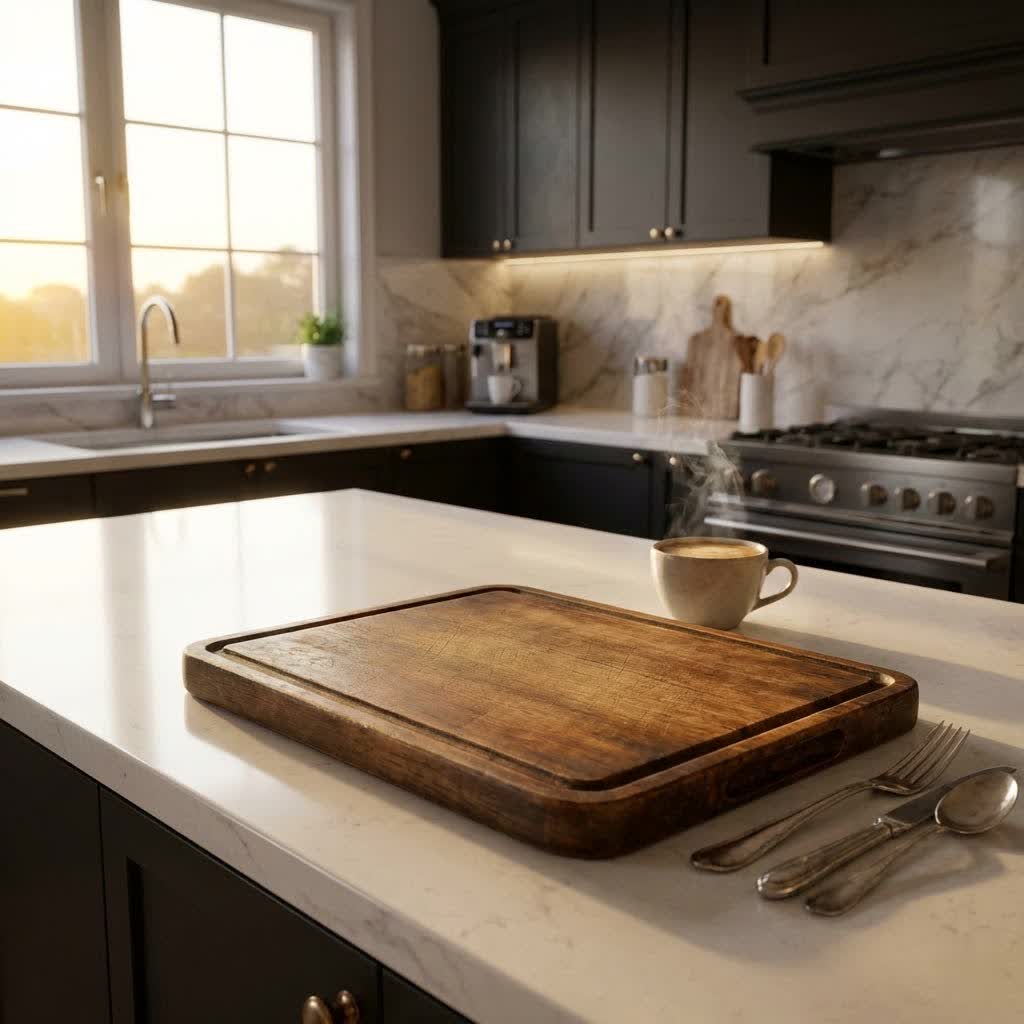
Exploring Common Cutting Board Types
Choosing the right cutting board begins with understanding the materials available, as each offers unique benefits and drawbacks tailored to different kitchen tasks. Let’s delve into the most popular types you’ll encounter.
Wood Cutting Boards
Wooden cutting boards are a timeless classic, revered by home cooks and professional chefs alike for their beauty and performance.
-
Advantages and Disadvantages
Wood boards are notably gentle on knives, helping to maintain blade sharpness over time. They boast natural antimicrobial properties, which can inhibit bacterial growth. Aesthetically, their warm tones and natural grain add a touch of elegance to any kitchen. However, wood boards require dedicated care; they are not dishwasher safe and must be regularly oiled to prevent drying, cracking, and warping. They can also absorb odors and stains, especially from strongly pigmented foods. -
Common Wood Types (Maple, Teak, Walnut)
When selecting a wooden cutting board, the type of wood matters significantly. Maple is a popular choice due to its durability, tight grain, and resistance to moisture and bacteria, making it a premium option for longevity. Teak gained popularity for its natural oils, which offer excellent resistance to water and mold, though it can be harder on knives than maple. Walnut is another excellent hardwood, prized for its deep color, density, and natural resistance to bacteria. For optimal knife care, end-grain wooden boards are superior, as their fibers separate and “self-heal” with knife cuts, extending both the board’s and the knife’s life. -
Care and Maintenance Tips
To ensure your wooden cutting board lasts a lifetime, hand wash it immediately after each use with mild dish soap and warm water, then dry it thoroughly. Never soak it or put it in the dishwasher. To prevent drying out, cracking, and warping, regularly condition your board with food-grade mineral oil or a wood butter (a blend of beeswax and mineral oil). Experts recommend oiling at least once a month, or more frequently if it sees heavy use, allowing the oil to penetrate for a few hours before wiping off any excess. Store wood boards vertically on their edge to promote even drying and prevent warping.
|
Our Picks for the Best Cutting Board in 2026
As an Amazon Associate I earn from qualifying purchases.
|
||
| Num | Product | Action |
|---|---|---|
| 1 | GORILLA GRIP BPA-Free Reversible Kitchen Cutting Board Set of 3, US Designed, Nonporous, Juice Grooves Catch Liquid, Slip Resistant Border, Dishwasher Safe, Durable Large Food Chopping Boards, Black |

|
| 2 | Bamboo Cutting Boards for Kitchen, Extra Large Wood Cutting Board with Deep Juice Groove and Handle Heavy Duty Chopping board, Kikcoin, 17.6" x 12" |
|
| 3 | Keechee Bamboo Cutting Board, Durable Wood Cutting Boards for Kitchen with Deep Juice Grooves & Built-in Handles, Ideal Charcuterie & Chopping for Meat, Vegetables and Fruits Ideal Kitchen Gifts |
|
| 4 | Extra Large Cutting Boards, Plastic Cutting Boards for Kitchen (Set of 3) Cutting Board Set Dishwasher Chopping Board with Juice Grooves Easy-Grip Handles, Dark Grey, Empune |
|
| 5 | Bamboo Cutting Board for Kitchen Meal Prep & Serving, 3-Piece Wooden Set with Juice Grooves, Side Handles, Non-Slip Mats – Ideal for Meat, Veggies, Fruit – Ideal Gift for the Home |
|
| 6 | Checkered Acacia Wood Cutting Board for Kitchen – Wooden Chopping Board, Durable Checkered Charcuterie Board for Meat, Fruit, Cheese & Vegetables, 16" x 11" x 1" |
|
| 7 | Titanium Cutting Board for Kitchen, Cutting Board Double Sided Food Grade, Pure Titanium/PP, Easy to Clean Large Size 16”×11” |
|
| 8 | Bamboo Cutting Boards for Kitchen [Set of 3] Wood Cutting Board for Chopping Meat, Vegetables, Fruits, Cheese, Knife Friendly Serving Tray with Handles |
|
| 9 | Kikcoin Extra Large Bamboo Cutting Boards, (Set of 3) Chopping Boards with Juice Groove Bamboo Wood Cutting Board Set Butcher Block for Kitchen, End Grain Serving Tray |
|
| 10 | Acacia Wood Cutting Board with Handle, 16x8 Inch Large Kitchen Chopping Board for Meat and Cheese, Butcher Block Serving Tray for Charcuterie, Bread and Fruit |
|
Plastic Cutting Boards
Plastic cutting boards are a ubiquitous presence in modern kitchens, known for their practicality and ease of sanitation.
-
Advantages and Disadvantages
The primary benefits of plastic cutting boards include their affordability, lightweight nature, and ease of cleaning. Many plastic boards are dishwasher safe, allowing for thorough sanitization, which is particularly beneficial when handling raw meats to prevent cross-contamination. They are also relatively non-porous, especially boards made from high-density polyethylene (HDPE) or polypropylene (PP). However, a significant drawback is that deep knife cuts can create grooves where bacteria can accumulate, making them difficult to clean effectively over time. They are also less durable than wood and may need to be replaced more frequently as they become heavily scarred. Some concerns exist about microplastic release into food. -
Common Plastic Types (HDPE, PP)
High-density polyethylene (HDPE) and polypropylene (PP) are the preferred plastics for cutting boards. These materials are tougher and more resistant to deep cuts than standard polyethylene, making them more durable and safer for heavy use. -
Usage Considerations
Plastic boards are often recommended for cutting raw poultry, meat, and seafood due to their ability to be thoroughly sanitized in a dishwasher. Many professional kitchens utilize color-coded plastic boards (e.g., red for raw meat, green for vegetables) to minimize the risk of cross-contamination. It’s crucial to replace plastic boards once they show significant knife scarring, as these grooves can harbor harmful bacteria that even dishwashing can’t fully eliminate.
Bamboo Cutting Boards
Bamboo cutting boards offer an eco-friendly alternative, appealing to those seeking sustainable kitchenware.
-
Advantages and Disadvantages
Bamboo is celebrated as an eco-friendly and highly sustainable material, as it’s a rapidly renewable grass that requires minimal resources to grow. Bamboo boards are naturally water-resistant and possess antimicrobial properties, making them quite hygienic. They are also lightweight and visually appealing. The main disadvantage, however, is their hardness, which can be tougher on knife blades compared to softer woods, potentially dulling them faster. Some users also find that the dense, compressed nature of bamboo can result in small grooves that slightly interrupt smooth cutting actions. -
Sustainability and Eco-Friendliness
As a fast-growing grass, bamboo is an exceptionally renewable resource. Unlike trees that take decades to mature, bamboo can be harvested every few years without replanting, making it an environmentally responsible choice for kitchen products. -
Care and Maintenance Tips
Similar to wood, bamboo cutting boards require hand washing with mild soap and warm water. They should be thoroughly dried immediately after washing and never soaked or put in the dishwasher. While some sources suggest bamboo doesn’t strictly require oiling, regular conditioning with food-grade mineral oil can help prevent cracking and splitting, especially if your board isn’t treated with a durable finish. This also helps maintain its water resistance and overall longevity.
Glass Cutting Boards
Glass cutting boards stand out for their striking appearance and ease of hygiene, yet they come with significant drawbacks.
-
Advantages and Disadvantages
Glass cutting boards are undeniably hygienic, non-porous, and exceptionally easy to clean. They resist stains, odors, and can withstand high temperatures, making them a sleek and modern addition to some kitchens. However, their primary and most critical disadvantage is their extreme hardness. Glass boards are notoriously bad for knives, dulling blades rapidly and potentially even chipping them. They also have a slippery surface, which can be a safety concern during chopping. Furthermore, glass boards are prone to shattering or chipping if dropped, creating dangerous fragments in the kitchen. -
Hygiene vs. Knife Damage
While the non-porous surface of glass makes it impervious to bacteria and effortless to wipe clean, this benefit is often outweighed by the severe damage it inflicts on knives. For serious cooks who value the longevity and sharpness of their cutlery, glass cutting boards are generally not recommended for regular chopping. They are better suited for tasks that don’t involve sharp blades, such as preparing dough or as a decorative serving platter.
Beyond the Basics: Other Cutting Board Materials
While wood, plastic, bamboo, and glass are the most common, other materials offer specialized benefits worth considering for your kitchen.
Composite Cutting Boards
Composite boards, often made from compressed wood fibers and food-safe resin (like Epicurean or Richlite), bridge the gap between wood and plastic.
- Advantages: They are highly durable, resistant to warping, cracking, and scratches, and often dishwasher safe. Composite boards are non-porous, lightweight, and gentle on knives, making them an excellent all-around option. Many are made from sustainable materials.
- Disadvantages: They can sometimes be more expensive than basic plastic boards.
Rubber Cutting Boards
Rubber cutting boards, typically made from synthetic or natural rubber, are highly favored in professional settings.
- Advantages: They are exceptionally knife-friendly, providing a forgiving surface that preserves blade sharpness. Rubber boards are also non-porous, easy to clean and sanitize, resistant to bacteria, and very stable on countertops, reducing slippage. They are durable and often heat-resistant.
- Disadvantages: They can be heavier and more expensive than plastic boards, and some may have a distinct odor when new.
Marble/Stone Cutting Boards
Marble and other stone cutting boards (like granite) are primarily chosen for their aesthetic appeal and unique properties.
- Advantages: Their naturally cool surface is ideal for working with pastry dough, as it prevents butter from melting too quickly. They are elegant, non-porous, and resist stains and odors.
- Disadvantages: They are very heavy and therefore cumbersome to move and clean. Like glass, stone boards are extremely hard on knives, dulling them quickly. They are also prone to chipping or breaking if dropped. They are generally not recommended for daily chopping tasks.
Cutting Board Comparison Chart
Choosing the perfect cutting board often comes down to balancing various factors. This comparison chart provides a quick overview to help you decide.
| Feature | Wood | Plastic | Bamboo | Glass | Composite | Rubber |
|---|---|---|---|---|---|---|
| Durability | High (with care) | Medium (scars over time) | High | Low (prone to shatter) | High | High |
| Knife-Friendly | High | Medium-High | Medium (hard on knives) | Very Low (dulls knives) | High | Very High |
| Hygiene | Good (natural anti-microbial, but needs proper sanitization) | Good (dishwasher safe, but deep cuts harbor bacteria) | Good (natural anti-microbial, moisture-resistant) | Excellent (non-porous, dishwasher safe) | Excellent (non-porous, dishwasher safe) | Excellent (non-porous, easy to sanitize) |
| Maintenance | High (oiling, hand wash) | Low (dishwasher safe) | Medium (oiling, hand wash) | Low (dishwasher safe) | Low (dishwasher safe) | Low (dishwasher safe) |
| Aesthetics | Excellent | Low-Medium | Good | High | Good | Medium |
| Price | Medium-High | Low | Low-Medium | Low-Medium | Medium-High | High |
Recommendations for Different Needs:
- For Raw Meat & Poultry: Plastic or Composite are excellent choices due to their non-porous nature and ease of thorough sanitization, especially in a dishwasher.
- For Vegetables, Fruits & Bread: Wood or Bamboo boards are ideal as they are gentle on knives and provide a stable cutting surface.
- For Pastry & Dough: A Marble board’s cool surface is perfect for preventing dough from sticking. Silicone mats can also work well.
- All-Purpose Home Use: A combination of a good wooden board for general prep and a plastic or composite board for raw proteins often offers the best versatility.
- Professional Kitchens: Rubber or Composite boards are highly favored for their durability, hygiene, and knife preservation.
Your Ultimate Cutting Board Buying Guide
Navigating the vast selection of cutting boards can be daunting, but by focusing on a few key factors, you can confidently choose the best cutting board for your kitchen.
Assess Your Usage Needs
Before anything else, consider how you’ll predominantly use your cutting board. Are you primarily slicing vegetables, carving roasts, or preparing delicate pastries?
- What will you be chopping? If you frequently handle raw meats, prioritize materials that are easy to sanitize, like plastic or composite. For general vegetable and fruit prep, wood or bamboo offer great knife protection.
- What size fits your kitchen? Measure your counter space and storage areas. A large, heavy butcher block is fantastic but impractical for small kitchens. Conversely, tiny boards might not be sufficient for large meal preparations.
- What’s your budget? Cutting boards range widely in price. Determine how much you’re willing to invest, keeping in mind that durable, high-quality boards can be a long-term investment.
Material Matters
The material of your cutting board is perhaps the most critical decision, influencing everything from hygiene to knife life.
- Prioritize Food Safety: Look for materials that are safe and free from harmful chemicals like BPA. Non-porous surfaces like plastic, composite, or rubber are excellent for preventing bacterial absorption, especially with raw proteins. While wood has natural antimicrobial properties, it requires diligent care.
- Consider Antibacterial Properties: Some materials, particularly hardwoods and bamboo, naturally resist bacteria. However, any board can harbor bacteria if not cleaned properly. For ultimate peace of mind when handling raw meat, a dishwasher-safe plastic or composite board that can be bleached is often recommended.
- Ease of Cleaning: If you value convenience, dishwasher-safe options like plastic, composite, or silicone are appealing. If you don’t mind hand-washing, wood and bamboo offer other benefits.
Brand and Price
Investing in a reputable brand often correlates with better quality and longevity.
- Reputable Brands: Look for brands known for quality kitchenware. Reviews and recommendations from reliable sources can guide you.
- Value for Money: While cheaper boards might seem attractive, they often wear out quickly, becoming less hygienic and dulling your knives faster. Sometimes, paying a bit more upfront for a durable, well-made cutting board saves money and frustration in the long run. Evaluate whether the product’s features and expected lifespan justify its cost.
Important Usage and Maintenance Tips
Proper care extends the life of any cutting board and ensures food safety.
- Clean After Every Use: Always wash your cutting board with hot, soapy water immediately after use.
- Regular Disinfection: For plastic boards, running them through the dishwasher on a hot cycle or using a diluted bleach solution can help disinfect them. Wooden and bamboo boards can be disinfected with a solution of white vinegar or hydrogen peroxide, followed by a rinse.
- Proper Storage: Store boards upright or flat in a dry, well-ventilated area. Avoid stacking wet boards, as this can encourage mold and warping.
- Oiling Wooden/Bamboo Boards: As mentioned, regular oiling with food-grade mineral oil is essential for wood and bamboo boards to hydrate the material and protect it from moisture, preventing cracks and warping.
“The right cutting board is an investment in both your culinary efficiency and the longevity of your kitchen knives. Don’t compromise on quality or care.” – Admin, ReviewerPri.com
Conclusion
Choosing the ideal cutting board is a pivotal decision for any home chef, influencing everything from the sharpness of your knives to the safety of your meals. We’ve explored the diverse world of cutting boards, from the enduring charm and knife-friendly nature of wood to the hygienic practicality of plastic and the sustainable appeal of bamboo. Understanding the unique characteristics, advantages, and care requirements of each material empowers you to make a choice that aligns perfectly with your cooking style and needs. By considering factors like material, intended use, and ease of maintenance, you can find a cutting board that serves as a dependable partner in your kitchen for years to come. What kind of cutting board will become your next kitchen essential?
Frequently Asked Questions
Which cutting board is best for raw meat?
Plastic or composite cutting boards are generally recommended for raw meat due to their non-porous surfaces and ability to be thoroughly sanitized in a dishwasher, which helps prevent cross-contamination. Always clean and disinfect them immediately after use.
How often should I oil my wooden cutting board?
For optimal care, a wooden cutting board should be oiled with food-grade mineral oil at least once a month, or more frequently if it is used often or appears dry. This prevents cracking, warping, and helps to seal out moisture.
Are bamboo cutting boards good for knives?
Bamboo boards are harder than most traditional wood boards, which means they can be tougher on knife edges and may cause blades to dull more quickly. While eco-friendly and durable, they are not as gentle on knives as hardwoods like maple or rubber boards.
Can I put a wooden cutting board in the dishwasher?
No, wooden cutting boards should never be put in the dishwasher. The intense heat and prolonged exposure to water can cause the wood to warp, crack, and split, significantly shortening its lifespan. Always hand wash and dry thoroughly.
When should I replace my plastic cutting board?
You should replace your plastic cutting board when it develops deep knife grooves and cuts that are difficult to clean. These indentations can harbor bacteria, making the board unhygienic even after washing. Regular replacement ensures food safety.
