In every kitchen, the cutting board is an unsung hero, constantly in use as we chop, slice, and dice our way to delicious meals. Yet, many overlook the crucial role this essential tool plays in our health and food safety. With concerns growing about hidden chemicals, microplastics, and bacterial contamination, choosing a non-toxic cutting board has become more important than ever. This comprehensive guide will navigate the world of cutting boards, helping you select a safe, durable, and environmentally friendly option that safeguards your family’s well-being without compromising on performance.
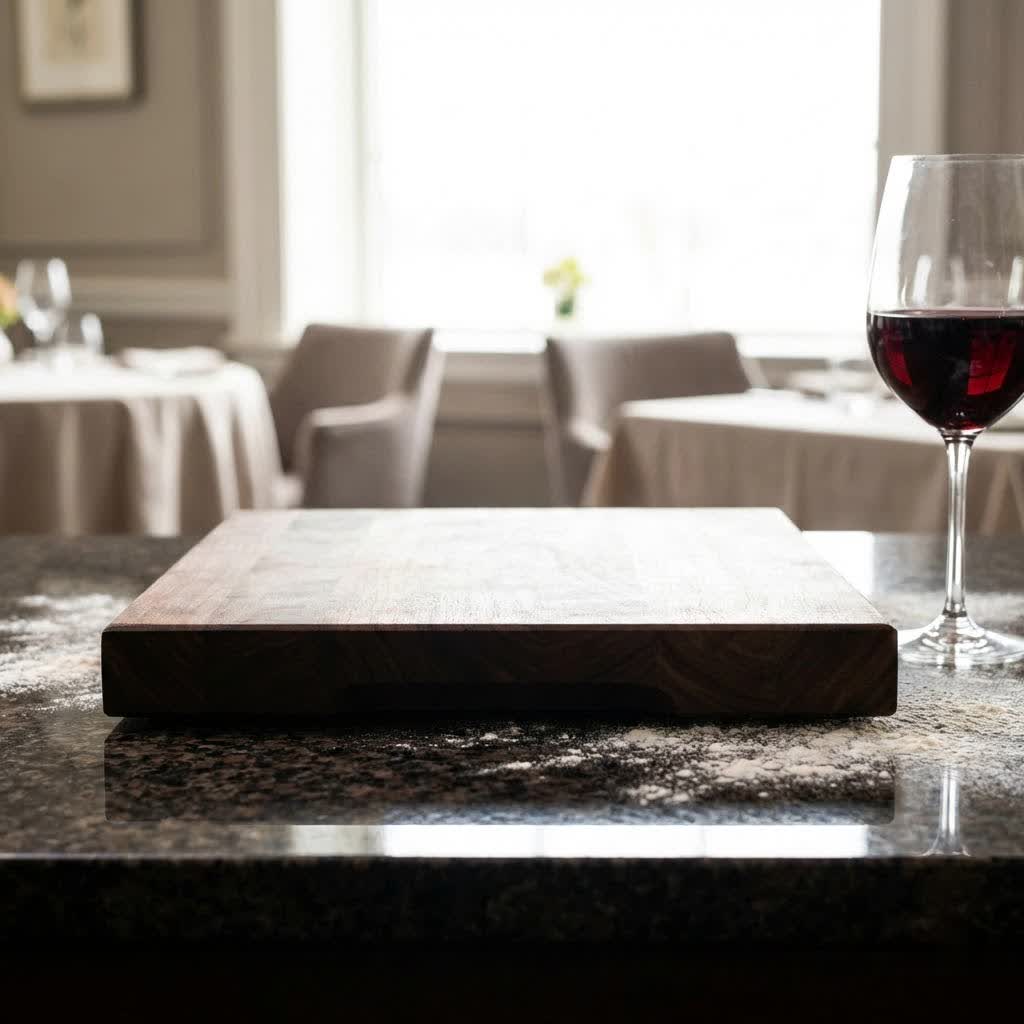
Understanding Non-Toxic Cutting Boards
The concept of a non-toxic cutting board revolves around preventing harmful substances from leaching into your food and minimizing bacterial growth. Traditional plastic cutting boards, while convenient, are often made from materials like polyethylene (PE) and high-density polyethylene (HDPE). While these plastics are generally considered safer for food contact, the inevitable knife cuts create microplastics that can end up in your meals. Furthermore, some plastic boards may contain BPA, phthalates, or even triclosan, an antibacterial agent that can break down into carcinogenic byproducts. Opting for non-toxic alternatives ensures your food preparation surfaces are free from these undesirable elements, promoting a cleaner, safer cooking environment.
Popular Non-Toxic Cutting Board Materials
Selecting the right material is paramount for a truly non-toxic cutting board. Each option offers a unique blend of benefits and considerations regarding hygiene, knife-friendliness, and durability.
Solid Wood Cutting Boards
Solid hardwood cutting boards are a perennial favorite among chefs and home cooks alike, known for their natural beauty and functional benefits.
- Pros: Hardwoods like maple, walnut, beech, cherry, and teak are naturally antimicrobial, creating an environment where bacteria struggle to thrive. They are also remarkably gentle on knife edges, helping to keep your blades sharper for longer. Teak, in particular, contains natural oils that provide inherent resistance to both bacteria and moisture.
- Cons: While durable, wood boards require consistent care, including regular oiling with food-grade mineral oil, beeswax, or other natural oils to prevent drying, cracking, and warping. They can also be quite heavy and, depending on the type and craftsmanship, may come with a higher price tag. It is crucial to choose solid wood boards crafted from a single piece or joined with non-toxic, formaldehyde-free adhesives.
- Care: Hand-wash promptly with hot, soapy water, rinse, and dry thoroughly. Avoid soaking. Apply food-grade oil monthly or as needed to maintain its integrity.
|
Our Picks for the Best Cutting Board in 2026
As an Amazon Associate I earn from qualifying purchases.
|
||
| Num | Product | Action |
|---|---|---|
| 1 | Bamboo Cutting Board for Kitchen Meal Prep & Serving, 3-Piece Wooden Set with Juice Grooves, Side Handles, Non-Slip Mats – Ideal for Meat, Veggies, Fruit – Ideal Gift for the Home |

|
| 2 | Checkered Acacia Wood Cutting Board for Kitchen – Wooden Chopping Board, Durable Checkered Charcuterie Board for Meat, Fruit, Cheese & Vegetables, 16" x 11" x 1" |
|
| 3 | Extra Large Cutting Boards, Plastic Cutting Boards for Kitchen (Set of 3) Cutting Board Set Dishwasher Chopping Board with Juice Grooves Easy-Grip Handles, Dark Grey, Empune |
|
| 4 | Titanium Cutting Board for Kitchen, Cutting Board Double Sided Food Grade, Pure Titanium/PP, Easy to Clean Large Size 16”×11” |
|
| 5 | Kikcoin Extra Large Bamboo Cutting Boards, (Set of 3) Chopping Boards with Juice Groove Bamboo Wood Cutting Board Set Butcher Block for Kitchen, End Grain Serving Tray |
|
| 6 | Acacia Wood Cutting Board with Handle, 16x8 Inch Large Kitchen Chopping Board for Meat and Cheese, Butcher Block Serving Tray for Charcuterie, Bread and Fruit |
|
| 7 | Keechee Bamboo Cutting Board, Durable Wood Cutting Boards for Kitchen with Deep Juice Grooves & Built-in Handles, Ideal Charcuterie & Chopping for Meat, Vegetables and Fruits Ideal Kitchen Gifts |
|
| 8 | Bamboo Cutting Boards for Kitchen, Extra Large Wood Cutting Board with Deep Juice Groove and Handle Heavy Duty Chopping board, Kikcoin, 17.6" x 12" |
|
| 9 | GORILLA GRIP BPA-Free Reversible Kitchen Cutting Board Set of 3, US Designed, Nonporous, Juice Grooves Catch Liquid, Slip Resistant Border, Dishwasher Safe, Durable Large Food Chopping Boards, Black |
|
| 10 | Bamboo Cutting Boards for Kitchen [Set of 3] Wood Cutting Board for Chopping Meat, Vegetables, Fruits, Cheese, Knife Friendly Serving Tray with Handles |
|
Bamboo Cutting Boards
Bamboo offers an eco-friendly and robust alternative, gaining popularity for its sustainable attributes.
- Pros: As a fast-growing grass, bamboo is a highly renewable resource. Bamboo boards are harder and less porous than many hardwoods, leading to superior resistance against knife scarring and moisture absorption, which helps deter bacterial growth. They are also typically lighter than solid wood boards, making them easier to handle.
- Cons: Over time, bamboo boards can develop a “furry” texture or splinter, especially with heavy use. It’s also important to verify that any adhesives used in their construction are water-based and formaldehyde-free, as many bamboo boards are made from compressed strips.
- Care: Similar to wood, bamboo boards should be hand-washed and dried immediately. Regular oiling helps maintain their condition and prevents splintering.
Stainless Steel and Titanium Cutting Boards
For those prioritizing ultimate hygiene and durability, metal cutting boards made from stainless steel or titanium present compelling options.
- Pros: These boards are 100% non-toxic, non-porous, and incredibly easy to sanitize, making them ideal for preparing raw meats and poultry as they do not absorb bacteria or odors. They are dishwasher-safe, resistant to stains, and virtually indestructible. Titanium is even stronger and lighter than stainless steel.
- Cons: The primary drawback is their hardness on knife blades, which can lead to faster dulling and require more frequent sharpening. They can also be noisy to use and may become slippery during food preparation, potentially increasing the risk of accidents. Titanium options tend to be more expensive.
- Care: Simple washing with hot, soapy water or running through the dishwasher is sufficient.
Tempered Glass Cutting Boards
Glass cutting boards offer a unique set of benefits, particularly for specific kitchen tasks.
- Pros: Tempered glass is completely non-porous and inert, meaning it won’t absorb odors, stains, or bacteria, and it won’t transfer any chemicals to your food. They are exceptionally easy to clean, dishwasher-safe, and resistant to heat.
- Cons: The hard surface of glass is notoriously tough on knives, dulling them very quickly. They can also be quite loud during chopping. For these reasons, glass boards are often better suited for tasks like serving or working with dough, rather than regular heavy-duty chopping.
- Care: Dishwasher-safe or hand-wash with hot, soapy water.
Composite Cutting Boards
Some composite cutting boards, made from responsibly sourced materials, offer a modern, non-toxic choice.
- What They Are: Brands like Epicurean and Richlite create boards from compressed layers of paper or wood fibers bound with food-safe resins. These are distinct from many other composite materials that might use harmful glues.
- Pros: These boards are often lightweight, non-porous (and thus bacteria-resistant), and some are even dishwasher-safe. They can be durable and easy to maintain. Many are GreenGuard Certified, assuring low chemical emissions.
- Cons: Some composite materials, especially Richlite, can be harder on knives than wood. It is crucial to research specific brands to ensure they use non-toxic binders and are certified for food safety, as “composite” can be a broad term.
- Care: Varies by brand, but many are dishwasher-safe. Hand-washing is always a safe bet.
Food-Grade Silicone Boards
Food-grade silicone offers a flexible and lightweight alternative that is much safer than plastic.
- Pros: Medical-grade silicone is considered safe, non-porous, and naturally resistant to bacteria. Its flexibility can be convenient for transferring chopped ingredients. It’s also more durable and scratch-resistant than typical plastic.
- Cons: While generally safe, some experts suggest avoiding dishwashers for silicone boards, as high heat might accelerate the breakdown of polymers, potentially leading to microplastic release over time.
- Care: Hand-wash with hot, soapy water.
Materials to Avoid for a Healthier Kitchen
Just as important as knowing what to choose is understanding what to avoid when selecting a cutting board.
- Plastic Cutting Boards: Despite their widespread use, plastic cutting boards are a significant concern. They can harbor bacteria in knife grooves that are difficult to clean, and over time, they release microplastics into your food. Many also contain endocrine-disrupting chemicals like BPA and phthalates, and some even incorporate triclosan, which can have adverse health effects.
- Glued or Pressed Wood Boards with Unknown Adhesives: Be wary of wooden or bamboo boards made from many small pieces fused together with undisclosed glues. These can sometimes contain formaldehyde or other toxic chemicals that may leach into your food. Always seek solid wood or boards explicitly stating “formaldehyde-free” adhesives.
- Boards with Toxic Finishes: Some wooden boards are treated with polyurethane, lacquer, or varnishes containing solvents or VOCs (volatile organic compounds). While these might be deemed “food-safe” once cured, continuous chopping can compromise the finish, allowing chemicals to transfer to your food. Opt for boards finished with natural, food-grade oils or waxes.
Comparison Table: Non-Toxic Cutting Board Materials
| Feature | Solid Wood | Bamboo | Stainless Steel / Titanium | Tempered Glass | Composite (e.g., Epicurean) | Food-Grade Silicone |
|---|---|---|---|---|---|---|
| Durability | High (with care) | High (with care) | Very High | High (shatter-resistant) | High | Moderate to High |
| Knife-Friendly | Excellent | Good to Excellent | Poor (dulls knives) | Very Poor (dulls knives rapidly) | Good to Moderate (varies by brand) | Good |
| Hygiene/Porousness | Naturally Antimicrobial/Porous | Less Porous/Resistant to Bacteria | Non-Porous/Highly Sanitary | Non-Porous/Highly Sanitary | Non-Porous/Bacteria Resistant | Non-Porous/Bacteria Resistant |
| Ease of Cleaning | Hand-wash, oiling required | Hand-wash, oiling required | Dishwasher Safe, very easy | Dishwasher Safe, very easy | Dishwasher Safe (many types) | Hand-wash recommended |
| Cost | Moderate to High | Moderate | High | Low to Moderate | Moderate to High | Low to Moderate |
| Eco-Friendliness | Sustainable (if responsibly sourced) | Highly Sustainable | Recyclable, Long-lasting | Recyclable, Long-lasting | Made from Recycled/Renewable (some) | Durable, but not easily recyclable |
Choosing the Right Non-Toxic Cutting Board
Making an informed decision involves considering your cooking habits, kitchen setup, and personal priorities.
1. Assess Your Needs
- Usage: Will you primarily be chopping vegetables, slicing bread, or handling raw meats? For raw proteins, a highly sanitary, easily disinfected board (like stainless steel or a dedicated wood/bamboo board) is crucial to prevent cross-contamination.
- Size: Consider your kitchen counter space and storage options. Larger boards are great for extensive prep, while smaller ones are convenient for quick tasks.
- Budget: Non-toxic options span a range of prices. Investing in a high-quality, durable board can be more cost-effective in the long run.
2. Prioritize Material Safety
Always look for boards that are explicitly labeled as BPA-free, phthalate-free, and formaldehyde-free. For wood and bamboo boards, inquire about the type of adhesives and finishes used, opting for food-grade, natural oils and waxes. Solid, single-piece wood boards are generally the safest in this regard.
3. Brand Reputation and Certifications
Research brands known for their commitment to non-toxic products. Certifications like GreenGuard or NSF International can provide assurance that a product has met rigorous standards for material safety and performance. Don’t hesitate to read reviews and manufacturer disclosures.
4. Maintenance and Durability
Consider how much time you’re willing to dedicate to maintenance. Dishwasher-safe options like glass or stainless steel are convenient, while wood and bamboo require more hands-on care. A durable board that stands up to knife marks and doesn’t warp will be a safer, longer-lasting investment.
5. Prevent Cross-Contamination
Regardless of your chosen material, practicing good hygiene is vital. The ideal approach is to use separate cutting boards for different food types: one for raw meat and seafood, another for fruits and vegetables, and a third for cooked foods or bread. Color-coding your boards can help you easily distinguish between them and significantly reduce the risk of cross-contamination.
Care and Maintenance for Longevity
Proper care extends the life of your non-toxic cutting board and maintains its hygienic properties.
- Daily Cleaning: After each use, scrape off food residue and wash your board thoroughly with hot, soapy water. Use a dedicated brush or sponge, paying extra attention to knife marks. Rinse well with clear water and dry immediately with a clean towel or allow to air dry upright in a well-ventilated area.
- Sanitization: For an added layer of cleanliness, especially after cutting raw meat, sanitize your board. A solution of one tablespoon of unscented liquid chlorine bleach per gallon of water can be flooded over the surface for several minutes, then rinsed with clear water and air-dried. Alternatively, commercial food-safe sanitizers can be used.
- Oiling Wood and Bamboo Boards: To prevent wood and bamboo boards from drying out, cracking, or warping, apply a food-grade mineral oil, beeswax, or a blend of natural oils monthly or as needed. This conditions the wood and creates a barrier against moisture.
- Proper Storage: Store boards upright in a dry, airy place. Avoid laying them flat, as this can trap moisture and encourage warping or mold growth.
- When to Replace: All cutting boards wear out eventually. Discard any board that develops deep grooves, cracks, or excessive knife marks that are difficult to clean, as these imperfections can harbor harmful bacteria. Plastic boards should be replaced when visible plastic fibers start to appear or knife marks become too deep to sanitize effectively. Solid wood boards can often be sanded and re-oiled to extend their life.
Choosing a non-toxic cutting board is a small but impactful step toward creating a healthier, safer kitchen. By understanding the materials, knowing what to look for, and committing to proper care, you can ensure your food preparation is free from unwanted chemicals and bacteria. This investment in a quality cutting board not only protects your family’s health but also enhances your culinary experience for years to come.
What steps will you take today to upgrade your cutting board to a non-toxic choice?
Frequently Asked Questions
What makes a cutting board “non-toxic”?
A cutting board is considered non-toxic if it’s made from materials that won’t leach harmful chemicals (like BPA, phthalates, or formaldehyde) into your food and doesn’t harbor bacteria easily. This includes solid hardwoods, bamboo (with safe adhesives), stainless steel, tempered glass, and certain certified composites.
Are plastic cutting boards always toxic?
While some food-grade plastics are deemed safer than others, plastic cutting boards generally pose a risk due to the release of microplastics from knife cuts and the potential for chemical additives like BPA. Scratched plastic boards are also harder to sanitize effectively, potentially harboring bacteria.
How often should I oil my wooden or bamboo cutting board?
The frequency depends on how often you use and wash the board, but a good rule of thumb is to oil it once a month. If the wood looks dry or faded, it’s a sign that it needs oiling to maintain its moisture balance and durability.
Can I put my non-toxic cutting board in the dishwasher?
Dishwasher safety varies by material. Tempered glass and stainless steel boards are typically dishwasher-safe. Some composite boards are designed for dishwashers, but always check the manufacturer’s instructions. Natural wood and bamboo boards should generally be hand-washed to prevent warping, cracking, or damage to their natural properties.
Is it really necessary to have separate cutting boards for different foods?
Yes, using separate cutting boards—one for raw meats/seafood and another for ready-to-eat foods like fruits and vegetables—is a critical practice for preventing cross-contamination. This simple step significantly reduces the risk of transferring harmful bacteria from raw ingredients to foods that won’t be cooked further.
