Every culinary journey, from a simple snack to an elaborate feast, begins with a fundamental tool: the cutting board. More than just a surface, a good cutting board is your kitchen’s unsung hero, protecting your countertops, safeguarding your knives, and playing a crucial role in food safety. But with an overwhelming array of materials, sizes, and styles on the market, how do you choose the one that truly fits your needs? Navigating this choice can be perplexing, but with over a decade of hands-on experience as an expert reviewer, I’m here to simplify the decision, offering insights into each type and helping you find your ideal kitchen companion.
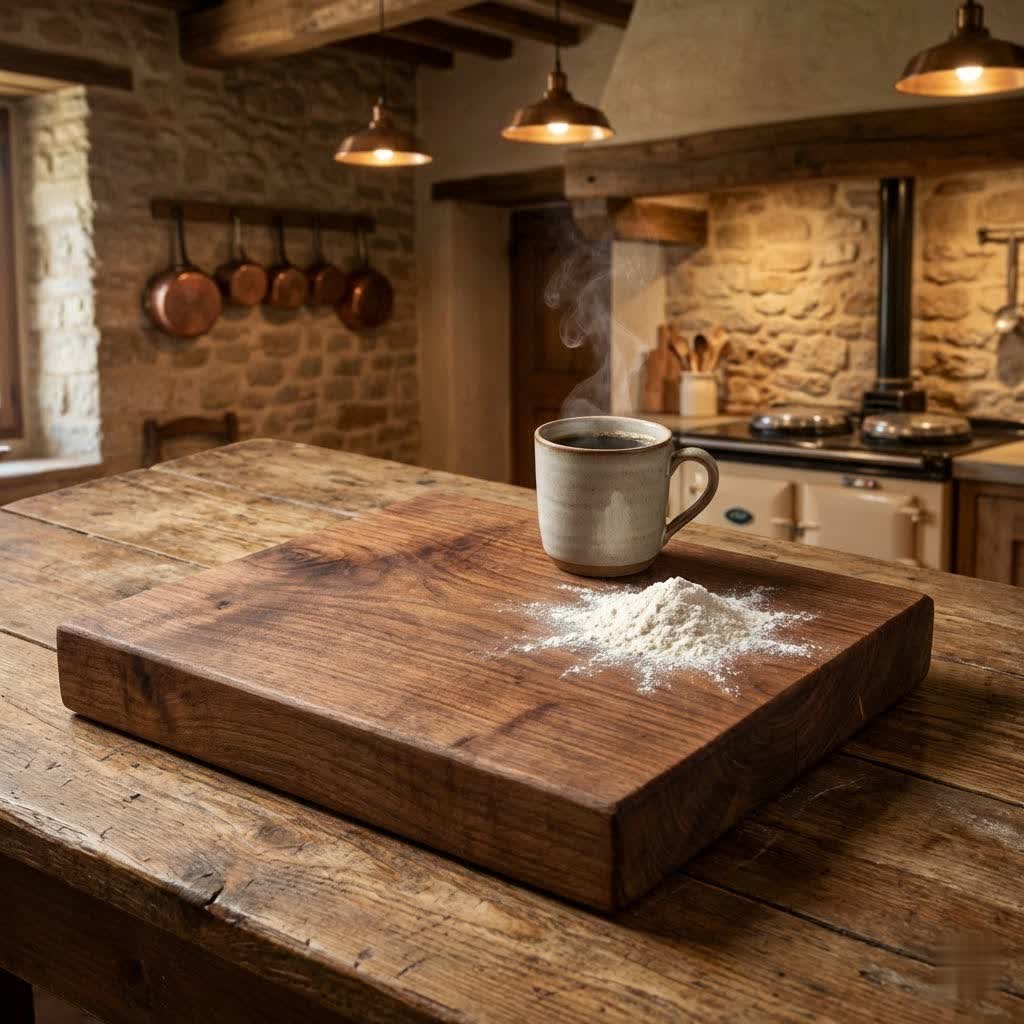
Common Cutting Board Types
Cutting boards come in a diverse range of materials, each presenting its own unique set of advantages and disadvantages. Understanding these differences is key to making an informed choice for your kitchen.
Wood Cutting Boards
Wood cutting boards are often considered the classic choice, cherished for their aesthetic appeal and functional benefits. They bring a timeless elegance to any kitchen and are highly regarded by professional chefs and home cooks alike.
- Pros:
- Knife-Friendly: Wood is a relatively soft material that is gentle on knife blades, helping them stay sharper for longer by allowing the blade to sink slightly into the grain rather than striking a hard surface.
- Durability and Longevity: With proper care, a high-quality wood board can last for many years, even decades.
- Natural Antimicrobial Properties: Certain hardwoods like maple, walnut, and teak possess natural antibacterial qualities that can help inhibit bacterial growth.
- Aesthetics: Wood boards are beautiful and can serve as elegant serving platters for charcuterie or bread.
- Stability: Often thick and heavy, they stay put on the counter during use.
- Cons:
- Maintenance Intensive: Wood boards require regular oiling with food-grade mineral oil to prevent drying, cracking, and warping. They are not dishwasher safe and must be hand-washed and dried immediately.
- Porous: While some woods have antimicrobial properties, improper cleaning can lead to bacteria retention.
- Weight and Cost: High-quality wood boards can be heavy and are generally more expensive than plastic or bamboo options.
- Common Wood Types:
- Maple: A popular choice known for its durability, tight grain (which resists deep knife marks), and natural antimicrobial properties.
- Walnut: Prized for its rich, dark color and hardness, making it both beautiful and functional.
- Teak: Contains natural oils that make it resistant to water and mold, offering good durability.
- Hinoki: A Japanese cypress known for its antibacterial properties and extreme gentleness on knives.
- Care and Maintenance: To keep a wood board in prime condition, clean it with hot, soapy water after each use, rinse thoroughly, and dry immediately. Never soak it or put it in a dishwasher. Oil it regularly (every 1-3 months, depending on use) with mineral oil to prevent drying and cracking.
|
Our Picks for the Best Cutting Board in 2026
As an Amazon Associate I earn from qualifying purchases.
|
||
| Num | Product | Action |
|---|---|---|
| 1 | Extra Large Cutting Boards, Plastic Cutting Boards for Kitchen (Set of 3) Cutting Board Set Dishwasher Chopping Board with Juice Grooves Easy-Grip Handles, Dark Grey, Empune |

|
| 2 | Bamboo Cutting Boards for Kitchen [Set of 3] Wood Cutting Board for Chopping Meat, Vegetables, Fruits, Cheese, Knife Friendly Serving Tray with Handles |
|
| 3 | Acacia Wood Cutting Board with Handle, 16x8 Inch Large Kitchen Chopping Board for Meat and Cheese, Butcher Block Serving Tray for Charcuterie, Bread and Fruit |
|
| 4 | Keechee Bamboo Cutting Board, Durable Wood Cutting Boards for Kitchen with Deep Juice Grooves & Built-in Handles, Ideal Charcuterie & Chopping for Meat, Vegetables and Fruits Ideal Kitchen Gifts |
|
| 5 | Titanium Cutting Board for Kitchen, Cutting Board Double Sided Food Grade, Pure Titanium/PP, Easy to Clean Large Size 16”×11” |
|
| 6 | Kikcoin Extra Large Bamboo Cutting Boards, (Set of 3) Chopping Boards with Juice Groove Bamboo Wood Cutting Board Set Butcher Block for Kitchen, End Grain Serving Tray |
|
| 7 | Bamboo Cutting Boards for Kitchen, Extra Large Wood Cutting Board with Deep Juice Groove and Handle Heavy Duty Chopping board, Kikcoin, 17.6" x 12" |
|
| 8 | GORILLA GRIP BPA-Free Reversible Kitchen Cutting Board Set of 3, US Designed, Nonporous, Juice Grooves Catch Liquid, Slip Resistant Border, Dishwasher Safe, Durable Large Food Chopping Boards, Black |
|
| 9 | Checkered Acacia Wood Cutting Board for Kitchen – Wooden Chopping Board, Durable Checkered Charcuterie Board for Meat, Fruit, Cheese & Vegetables, 16" x 11" x 1" |
|
| 10 | Bamboo Cutting Board for Kitchen Meal Prep & Serving, 3-Piece Wooden Set with Juice Grooves, Side Handles, Non-Slip Mats – Ideal for Meat, Veggies, Fruit – Ideal Gift for the Home |
|
Plastic Cutting Boards
Plastic cutting boards are ubiquitous in kitchens, often chosen for their convenience and affordability. They are a practical option, especially for certain food preparation tasks.
- Pros:
- Affordable: Generally the most budget-friendly option, making them accessible for all.
- Lightweight: Easy to move, clean, and store.
- Dishwasher Safe: Many plastic boards can be sanitized in a dishwasher, offering a high level of hygiene, especially after cutting raw meats.
- Non-Porous (initially): A new plastic board is non-porous, preventing liquid and bacteria absorption.
- Color-Coding: Available in various colors, allowing for different boards for different food types to prevent cross-contamination.
- Cons:
- Knife Dulling: Plastic surfaces are harder than wood, which can dull knife blades more quickly over time.
- Bacterial Traps: As plastic boards get used, knife cuts and gouges develop, creating crevices where bacteria can hide and become difficult to clean effectively. They need to be replaced when heavily scarred.
- Microplastic Shedding: A growing concern is that plastic boards can shed microplastic particles into food during cutting.
- Durability: They can warp, melt, or chip over time, especially thinner models.
- Common Plastic Types: High-Density Polyethylene (HDPE) and Polypropylene (PP) are common, known for their durability and resistance to chemicals.
- Considerations: Opt for thicker, sturdier plastic boards over thin, flexible ones which can warp easily. Always replace deeply grooved plastic boards to maintain hygiene.
Bamboo Cutting Boards
Bamboo cutting boards have surged in popularity as an eco-friendly and sustainable alternative to traditional wood. They are a unique choice with distinct characteristics.
- Pros:
- Eco-Friendly: Bamboo is a rapidly renewable resource, growing much faster than traditional hardwoods, making it a sustainable choice.
- Water-Resistant: Bamboo absorbs very little moisture, making it less prone to warping and cracking compared to some woods.
- Hardness and Durability: It’s a very hard material, resistant to knife scarring.
- Naturally Antimicrobial: Like some woods, bamboo possesses natural antimicrobial properties.
- Cons:
- Hard on Knives: Due to its hardness, bamboo can dull knife blades more quickly than wood.
- Potential for Cracking: Without proper maintenance (oiling), bamboo can sometimes crack or split, especially if it dries out too much.
- Adhesives: Some bamboo boards are made from strips glued together, and the quality of the adhesive used can vary.
- Care and Maintenance: Hand wash with warm, soapy water and dry immediately. Avoid prolonged soaking and dishwashers. Regular oiling with food-grade mineral oil is recommended to maintain its condition and prevent cracking.
Glass Cutting Boards
Glass cutting boards offer a sleek, modern aesthetic and exceptional hygiene. However, their practical use in the kitchen is often debated.
- Pros:
- Hygienic: Non-porous surface means no absorption of liquids, odors, or bacteria, making them incredibly easy to clean and sanitize.
- Stain and Odor Resistant: They will not stain or retain food odors, no matter what you cut on them.
- Aesthetics: Often visually appealing and can double as serving platters or trivets.
- Heat Resistant: Can safely be used as a hot pad for pots and pans.
- Cons:
- Extremely Hard on Knives: This is the primary and most significant drawback. Glass is exceptionally hard and will rapidly dull, chip, or even damage knife blades. Professional chefs and knife manufacturers strongly advise against using glass for actual cutting.
- Slippery Surface: Can be hazardous, as food tends to slide around while cutting.
- Breakable: Glass is prone to shattering if dropped or struck hard, creating safety hazards.
- Recommendation: While hygienic, glass cutting boards are best reserved for serving, protecting surfaces from heat, or as decorative items rather than for actual cutting tasks to preserve your knife investment.
Comparison Table of Common Cutting Board Types
| Feature | Wood | Plastic | Bamboo | Glass |
|---|---|---|---|---|
| Durability | Excellent (with care) | Moderate (needs replacement when scarred) | Good (hard, water-resistant) | High (resistant to scratches/stains) |
| Knife Friendliness | Excellent (gentle, preserves edge) | Moderate (dulls knives over time) | Low (very hard, dulls knives quickly) | Very Low (damages/dulls knives rapidly) |
| Antibacterial | Natural (some hardwoods) | None (relies on sanitization) | Natural | None (relies on easy cleaning) |
| Ease of Cleaning | Hand wash, dry immediately | Dishwasher safe (many) | Hand wash, dry immediately | Dishwasher safe, very easy to clean |
| Maintenance | Regular oiling, no soaking | Wash, sanitize, replace when scarred | Regular oiling, no soaking | Minimal |
| Safety (Hygiene) | Good (if properly cared for) | Good (if regularly sanitized/replaced) | Good (if properly cared for) | Excellent (non-porous) |
| Cost | Moderate to High | Low to Moderate | Low to Moderate | Low |
| Aesthetics | High (natural, classic) | Low to Moderate (functional) | High (modern, natural) | High (sleek, modern, decorative) |
Buying Guide: How to Choose the Right Cutting Board
Selecting the perfect cutting board involves more than just picking a material. Consider these factors to align your choice with your culinary habits and kitchen environment.
Determine Your Usage Needs
Before anything else, think about how you’ll primarily use the board.
- Meat, Poultry, and Fish: For raw proteins, ease of sanitation is paramount. Plastic or composite boards that are dishwasher safe are often recommended as they can be thoroughly disinfected. However, dedicated wooden boards, properly cleaned, are also viable for raw meats.
- Vegetables, Fruits, and Bread: Wood or bamboo boards are excellent choices here. They are gentle on knives and provide a stable surface for precise cuts.
- All-Purpose: Many kitchens benefit from having at least two boards: one for raw meats and one for produce, to prevent cross-contamination.
- Size and Thickness: Consider your kitchen counter space, the size of food items you typically prepare, and your storage capabilities. A board around 12×18 inches is a versatile size for most home kitchens. Thicker boards (1.25 to 2 inches or more for wood end-grain) offer greater stability and durability, minimizing warping and movement.
Cutting Board Material
As discussed, the material is crucial, impacting knife longevity, hygiene, and maintenance.
- Knife Friendliness: If protecting your valuable knives is a top priority, wood (especially end-grain) is the best choice, followed by high-quality plastic. Avoid glass and hard bamboo if knife preservation is a concern.
- Hygiene: All cutting boards can be hygienic with proper care. Plastic and glass are easy to sanitize due to being non-porous (initially for plastic), while wood and bamboo rely on natural properties and diligent cleaning.
- Safety (BPA-Free): If choosing plastic, look for BPA-free options to avoid potential chemical leaching into food.
Brand and Price
The market is flooded with options, from budget-friendly to high-end.
- Reputable Brands: Brands like John Boos (wood), OXO (plastic), and Totally Bamboo (bamboo) are well-regarded for quality and durability. Researching reviews can provide insights into a product’s real-world performance.
- Value for Money: Consider the long-term investment. A more expensive, well-maintained wood board can outlast several cheaper plastic boards, potentially saving money and reducing waste in the long run. Balance initial cost with durability, performance, and maintenance requirements.
Essential Usage and Maintenance Tips for Longevity
Proper care is not just about extending the life of your cutting board; it’s vital for food safety and maintaining your kitchen’s hygiene.
- Clean After Every Use: Always wash your cutting board with hot, soapy water immediately after use. This prevents food particles from drying and bacteria from settling.
- Sanitize Regularly: For all boards, especially after cutting raw meat, poultry, or fish, sanitize them. Plastic boards can often go into the dishwasher on a hot cycle. For wood and bamboo, a diluted bleach solution (one teaspoon of bleach per quart of water) or a vinegar-and-salt scrub can be used, followed by a thorough rinse and dry.
- Prevent Cross-Contamination: The simplest rule: use separate cutting boards for raw meats and fresh produce. Color-coded plastic boards are excellent for this, or simply dedicate one wood board for meats and another for vegetables.
- Storage Matters: Store your cutting boards vertically in a dry, airy place. Stacking them flat or storing them in a damp area can lead to moisture retention, mold, and warping.
- Oiling for Wood and Bamboo: Regularly apply food-grade mineral oil to wood and bamboo boards. This hydrates the material, prevents drying, cracking, and staining, and enhances their natural antimicrobial properties.
- Know When to Replace: Plastic boards should be replaced when they develop deep grooves and cuts that are hard to clean. Severely warped or cracked wood and bamboo boards can also harbor bacteria and should be retired.
“A well-chosen cutting board is more than just a kitchen tool; it’s an extension of your culinary hand, ensuring precision, safety, and joy in every chop.” – Admin, ReviewerPri.com, Kitchen Tool Expert
Conclusion
Choosing the right cutting board is a fundamental step toward a more efficient, hygienic, and enjoyable cooking experience. From the knife-friendly resilience of wood to the convenient sanitation of plastic, the sustainable appeal of bamboo, and the elegant practicality of glass for serving, each material offers distinct advantages. By considering your specific needs, prioritizing knife care, and committing to proper maintenance, you can select a cutting board that not only performs flawlessly but also becomes a cherished part of your kitchen for years to come. What kind of culinary masterpieces will you create with your perfectly chosen cutting board?
Frequently Asked Questions
Which cutting board material is best for my knives?
Wooden cutting boards, particularly those made from end-grain hardwoods like maple or walnut, are generally considered the best for preserving knife sharpness. Their softer surface allows the blade to glide between the wood fibers, causing less wear and tear compared to harder materials.
Can I use the same cutting board for raw meat and vegetables?
No, it is strongly recommended to use separate cutting boards for raw meats and fresh produce. This practice, known as cross-contamination prevention, minimizes the risk of transferring harmful bacteria from raw foods to foods that will be eaten raw or with minimal cooking.
How often should I oil my wooden cutting board?
The frequency of oiling depends on how often you use and wash your wooden board. As a general rule, aim to oil your board with food-grade mineral oil every 1 to 3 months, or whenever the wood appears dry and faded. Regular oiling prevents cracking, warping, and keeps the wood conditioned.
Are bamboo cutting boards truly eco-friendly?
Yes, bamboo is often considered an eco-friendly choice because it is a rapidly renewable resource, growing much faster than traditional hardwoods. It requires less water and no pesticides to grow, making it a sustainable alternative for kitchen products.
When should I replace my plastic cutting board?
You should replace your plastic cutting board when it develops deep grooves, cuts, or scratches that are difficult to clean. These crevices can harbor bacteria, making the board unhygienic even after washing. Regular inspection ensures continued food safety.
