The cutting board, often an overlooked kitchen essential, is the silent workhorse behind every culinary creation. It’s where raw ingredients transform into delicious meals, a testament to precision and preparation. For those who appreciate the finer things in life, Legnoart cutting boards offer a blend of centuries-old Italian craftsmanship, sustainable materials, and exquisite design, elevating a simple tool into a kitchen masterpiece. These boards are not merely functional; they are a celebration of woodworking artistry, designed to inspire and endure. This guide will explore what makes Legnoart stand out, delve into the types of materials they use, compare them with other cutting board options, and provide essential tips for choosing and caring for your ideal board.
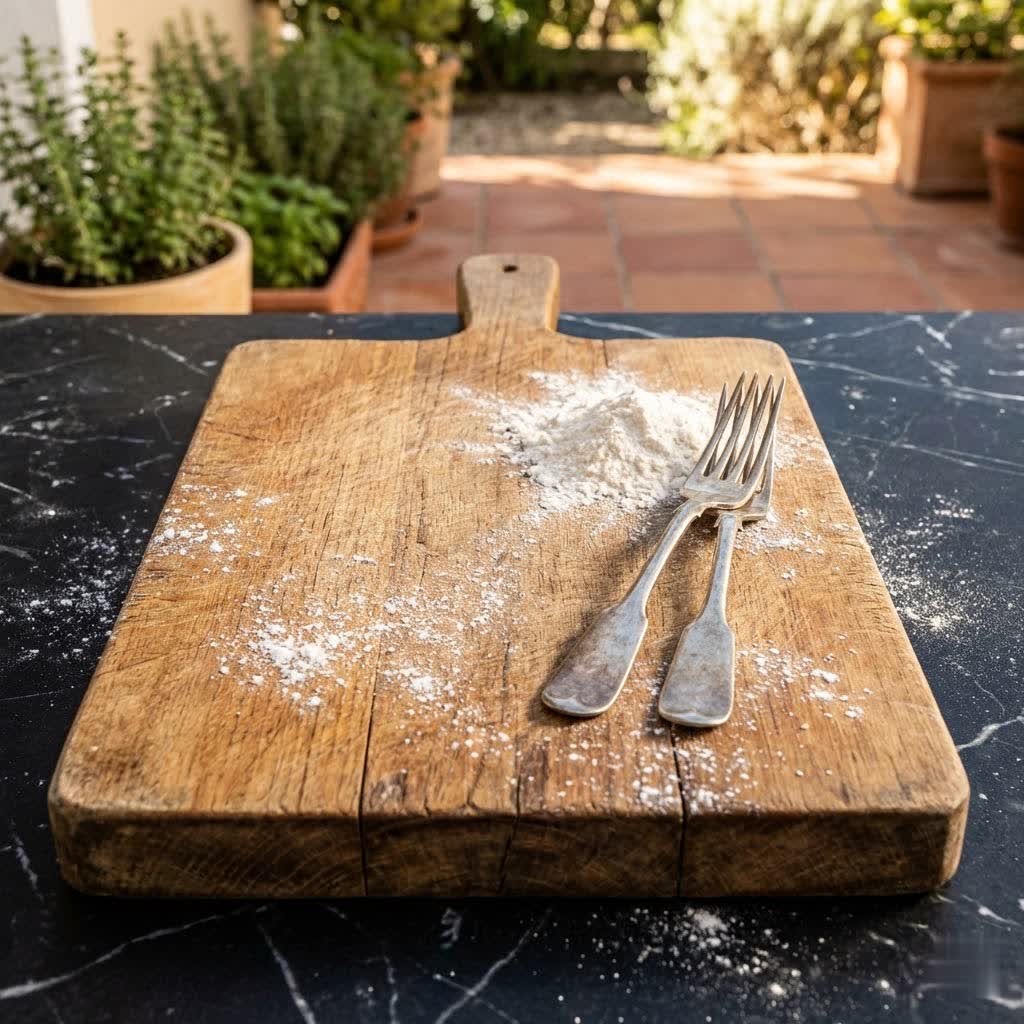
The Legacy of Legnoart: Italian Craftsmanship
Legnoart is an Italian company rooted in a deep passion for wood and design, crafting kitchenware and wine accessories that embody both tradition and modern luxury. Every Legnoart cutting board is handcrafted in Italy, reflecting a commitment to superior quality and meticulous attention to detail. This brand prides itself on respecting the environment and nature, using sustainably sourced European wood and non-toxic bio-finishes that are free from chemicals, paints, and dyes. This dedication ensures not only a beautiful product but one that is safe for food preparation and kind to the planet. The philosophy behind Legnoart is to create unique objects that can be cherished as family heirlooms for generations, blending functionality with a tangible presence in daily life.
Exploring Legnoart’s Cutting Board Collection
Legnoart’s range of cutting boards showcases a variety of exquisite wood types, each selected for its unique characteristics and performance in the kitchen.
Wood Varieties and Their Characteristics
- Beech Wood: Renowned for its solidity and resistance, beech wood is a primary material for many Legnoart cutting boards, such as the “Chef’s Place” and “Rialto” models. Its dense grain provides excellent durability and, with proper care, contributes to natural antibacterial properties, making it a reliable surface for various cutting tasks.
- Walnut Wood: Offering a touch of elegance and warmth, walnut cutting boards like the “Grand Gourmand” are appreciated for their rich, dark tones and beautiful grain patterns. Walnut is a resilient wood, and Legnoart often incorporates practical features such as deep juice grooves in these boards to efficiently collect liquids, keeping countertops clean during food preparation.
- Ashwood: Featured in designs like the “Vitto” bread board and “Dorsoduro” cutting board, ashwood is another robust European timber. It provides a light, attractive appearance combined with excellent strength, making it ideal for daily use.
- Oak Wood: Legnoart also offers oak options, often in butcher block styles. Oak is celebrated for its exceptional hardness and durability, making it an excellent choice for heavy-duty chopping and lasting for many years with appropriate maintenance.
|
Our Picks for the Best Cutting Board in 2026
As an Amazon Associate I earn from qualifying purchases.
|
||
| Num | Product | Action |
|---|---|---|
| 1 | Bamboo Cutting Boards for Kitchen, Extra Large Wood Cutting Board with Deep Juice Groove and Handle Heavy Duty Chopping board, Kikcoin, 17.6" x 12" |

|
| 2 | Bamboo Cutting Boards for Kitchen [Set of 3] Wood Cutting Board for Chopping Meat, Vegetables, Fruits, Cheese, Knife Friendly Serving Tray with Handles |
|
| 3 | Titanium Cutting Board for Kitchen, Cutting Board Double Sided Food Grade, Pure Titanium/PP, Easy to Clean Large Size 16”×11” |
|
| 4 | Extra Large Cutting Boards, Plastic Cutting Boards for Kitchen (Set of 3) Cutting Board Set Dishwasher Chopping Board with Juice Grooves Easy-Grip Handles, Dark Grey, Empune |
|
| 5 | Bamboo Cutting Board for Kitchen Meal Prep & Serving, 3-Piece Wooden Set with Juice Grooves, Side Handles, Non-Slip Mats – Ideal for Meat, Veggies, Fruit – Ideal Gift for the Home |
|
| 6 | Checkered Acacia Wood Cutting Board for Kitchen – Wooden Chopping Board, Durable Checkered Charcuterie Board for Meat, Fruit, Cheese & Vegetables, 16" x 11" x 1" |
|
| 7 | Kikcoin Extra Large Bamboo Cutting Boards, (Set of 3) Chopping Boards with Juice Groove Bamboo Wood Cutting Board Set Butcher Block for Kitchen, End Grain Serving Tray |
|
| 8 | Acacia Wood Cutting Board with Handle, 16x8 Inch Large Kitchen Chopping Board for Meat and Cheese, Butcher Block Serving Tray for Charcuterie, Bread and Fruit |
|
| 9 | Keechee Bamboo Cutting Board, Durable Wood Cutting Boards for Kitchen with Deep Juice Grooves & Built-in Handles, Ideal Charcuterie & Chopping for Meat, Vegetables and Fruits Ideal Kitchen Gifts |
|
| 10 | GORILLA GRIP BPA-Free Reversible Kitchen Cutting Board Set of 3, US Designed, Nonporous, Juice Grooves Catch Liquid, Slip Resistant Border, Dishwasher Safe, Durable Large Food Chopping Boards, Black |
|
Legnoart boards are meticulously handmade and often feature non-skid feet for stability and safety. Their versatility allows them to double as elegant serving trays, adding a touch of sophistication to any dining experience.
Advantages of Legnoart Wooden Cutting Boards
Choosing a Legnoart wooden cutting board brings a host of benefits that extend beyond mere utility.
- Knife-Friendly: Unlike harder surfaces, the natural resilience of wood is gentle on knife blades, helping to maintain their sharpness over time and extending their useful life.
- Durability & Longevity: When properly crafted and maintained, Legnoart’s high-quality wooden boards are designed to withstand significant wear and tear, becoming a faithful kitchen companion for years, even decades.
- Hygiene: Wood possesses natural antimicrobial properties. When kept clean and dry, high-quality wooden cutting boards can be a hygienic choice for food preparation, inhibiting bacterial growth.
- Aesthetics: A Legnoart cutting board adds a natural warmth and timeless beauty to any kitchen. Their handcrafted design and rich wood grains make them visually appealing, serving as both a functional tool and a decorative element.
- Eco-Friendly: Legnoart’s commitment to using sustainable European wood and non-toxic bio-finishes aligns with environmentally conscious values, offering a choice that supports both your kitchen and the planet.
Beyond Legnoart: Understanding Other Cutting Board Types
While Legnoart champions the elegance and functionality of wood, it’s helpful to understand the landscape of other cutting board materials available on the market.
Plastic Cutting Boards
Plastic cutting boards are often chosen for their affordability and perceived ease of cleaning. They are generally non-porous and can often be put in a dishwasher, which is convenient for sanitization. However, plastic boards can develop deep knife grooves quickly, which can harbor bacteria even after washing. They also tend to be less aesthetically pleasing and can dull knives faster than wood.
Bamboo Cutting Boards
Bamboo is a rapidly renewable resource, making bamboo cutting boards an environmentally friendly option. They are quite hard and durable. However, their extreme hardness can be detrimental to knife edges, causing them to dull more quickly. Additionally, many bamboo boards are made from strips glued together, and the quality of the adhesive can vary, sometimes containing formaldehyde.
Glass Cutting Boards
Glass cutting boards are highly non-porous and easy to wipe clean, offering excellent hygiene. They are also heat-resistant. However, their extreme hardness is severely damaging to knife blades, dulling them almost instantly. They are also prone to chipping or shattering if dropped, and their slippery surface can make them less safe to use.
Comparative Analysis: Choosing Your Ideal Cutting Board
Here’s a quick comparison of various cutting board types to help you make an informed decision:
| Feature | Legnoart Wood | Plastic | Bamboo | Glass |
|---|---|---|---|---|
| Knife Friendliness | Excellent | Good | Fair/Poor | Very Poor |
| Durability | Excellent | Good | Good | Fair (can chip) |
| Hygiene | Good | Good (if smooth) / Poor (if grooved) | Good | Excellent |
| Aesthetic Appeal | High | Low | Medium | Medium |
| Sustainability | High | Low | High | Low (production) |
| Maintenance | Moderate | Easy | Moderate | Easy |
| Price Range | Premium | Low | Medium | Low |
The Legnoart Buying Guide: Investing in Quality
Choosing a Legnoart cutting board is an investment in quality, aesthetics, and culinary pleasure. Here’s what to consider:
Determining Your Culinary Needs
Before purchasing, consider how you’ll use your board. Will it be primarily for chopping meats, slicing vegetables, or a combination? Do you need a dedicated serving board? The size of your kitchen and available storage space will also dictate the ideal dimensions for your board. Legnoart offers various sizes to fit different requirements, ensuring you find a board that integrates seamlessly into your kitchen routine.
Material Matters
Focus on Legnoart’s range of premium woods like Beech, Walnut, Ash, and Oak. Each offers distinct characteristics in terms of grain, color, and density. Rest assured that Legnoart’s commitment to non-toxic, bio-finished materials ensures a safe and natural food preparation surface, aligning with health-conscious kitchen practices.
Brand Reputation and Value
Legnoart’s reputation for Italian craftsmanship, timeless design, and sustainable practices sets its products apart. While the initial investment might be higher than mass-produced alternatives, the longevity, durability, and aesthetic value of a Legnoart board provide exceptional value over time. You are investing in a piece that brings both functionality and beauty to your home, a true testament to enduring quality.
Care and Maintenance for Your Legnoart Board
Proper care is paramount to preserving the beauty and extending the life of your wooden cutting board.
- Washing: Always hand wash your Legnoart board with mild soap and warm water immediately after use. Avoid soaking the board or placing it in the dishwasher, as excessive moisture can cause warping, cracking, or splitting.
- Drying: After washing, dry the board thoroughly with a clean cloth. Allow it to air dry completely by standing it on its edge to ensure even air circulation, preventing moisture accumulation on one side.
- Oiling: Regular oiling with a food-grade mineral oil is crucial. This process moisturizes the wood, prevents it from drying out, and helps maintain its natural luster and resistance to water. Apply oil generously, let it soak in for several hours or overnight, then wipe off any excess.
- Sanitizing: For an extra layer of cleanliness, periodically sanitize your board with natural methods. A sprinkle of coarse salt and half a lemon rubbed over the surface can effectively remove odors and minor stains, naturally refreshing the wood.
“A Legnoart cutting board is more than just a kitchen tool; it’s a piece of art that brings tradition, sustainability, and unparalleled functionality to your culinary space.” – Chef Isabella Rossi, Culinary Artisan
Conclusion
Choosing a Legnoart cutting board is a decision to embrace the enduring beauty of Italian craftsmanship and sustainable design in your kitchen. These boards seamlessly blend traditional artisan techniques with modern functionality, offering a durable, knife-friendly, and aesthetically pleasing surface for all your culinary endeavors. From the robust resilience of beech to the rich elegance of walnut, each Legnoart board is a testament to quality, designed to be cherished for generations. Investing in a Legnoart cutting board means not just acquiring a tool, but welcoming a piece of art and a commitment to sustainable living into your home. Which Legnoart masterpiece will you choose to grace your kitchen countertop?
Frequently Asked Questions
What makes Legnoart cutting boards unique?
Legnoart cutting boards stand out due to their Italian craftsmanship, use of sustainable European woods like beech and walnut, and non-toxic bio-finishes. They blend traditional artisan techniques with modern design, offering durable, knife-friendly, and aesthetically pleasing boards that are safe for your kitchen and the environment.
How should I clean and maintain my Legnoart wooden cutting board?
To maintain your Legnoart board, hand wash it with mild soap and water, then dry it immediately. Avoid dishwashers and prolonged soaking. Regular oiling with food-grade mineral oil is crucial to prevent drying and cracking, ensuring its longevity and preserving its natural beauty and integrity.
Are Legnoart cutting boards suitable for all types of knives?
Yes, Legnoart wooden cutting boards are highly suitable for all knife types, including delicate chef’s knives. The natural softness and resilience of wood are gentle on blades, helping to keep them sharper for longer compared to harder surfaces like glass or bamboo, which can quickly dull cutting edges.
What wood types does Legnoart primarily use for its cutting boards?
Legnoart primarily uses high-quality, sustainably sourced European woods such as beech, walnut, ashwood, and oak for their cutting boards. Each wood type offers distinct aesthetic qualities and performance characteristics, all carefully chosen and finished with bio-oils for food safety and durability.
Can Legnoart cutting boards also be used for serving?
Absolutely. Many Legnoart cutting boards are designed for versatile use, serving not only as robust cutting surfaces but also as elegant serving platters for cheeses, charcuterie, appetizers, and other culinary delights. Their beautiful craftsmanship enhances any dining presentation, making them perfect for entertaining.
