Step into any serious kitchen, and you’re bound to find a well-loved wooden cutting board – a testament to its enduring functionality and aesthetic appeal. For woodworking enthusiasts and home chefs alike, a custom-made cutting board is more than just a kitchen tool; it’s a foundation for countless meals and a canvas for culinary artistry. But choosing, making, and maintaining the perfect wooden cutting board requires a deep understanding of wood types, construction methods, and proper care. Let’s delve into the world of woodworking cutting boards, ensuring you select or craft a piece that will serve you faithfully for years.
Popular Types of Cutting Boards
While many materials exist for cutting boards, wood stands out for its unique blend of performance, aesthetics, and knife-friendliness. Within the realm of wood, there are distinct types of construction and species to consider, each offering particular advantages.
Wooden Cutting Boards: A Deeper Look
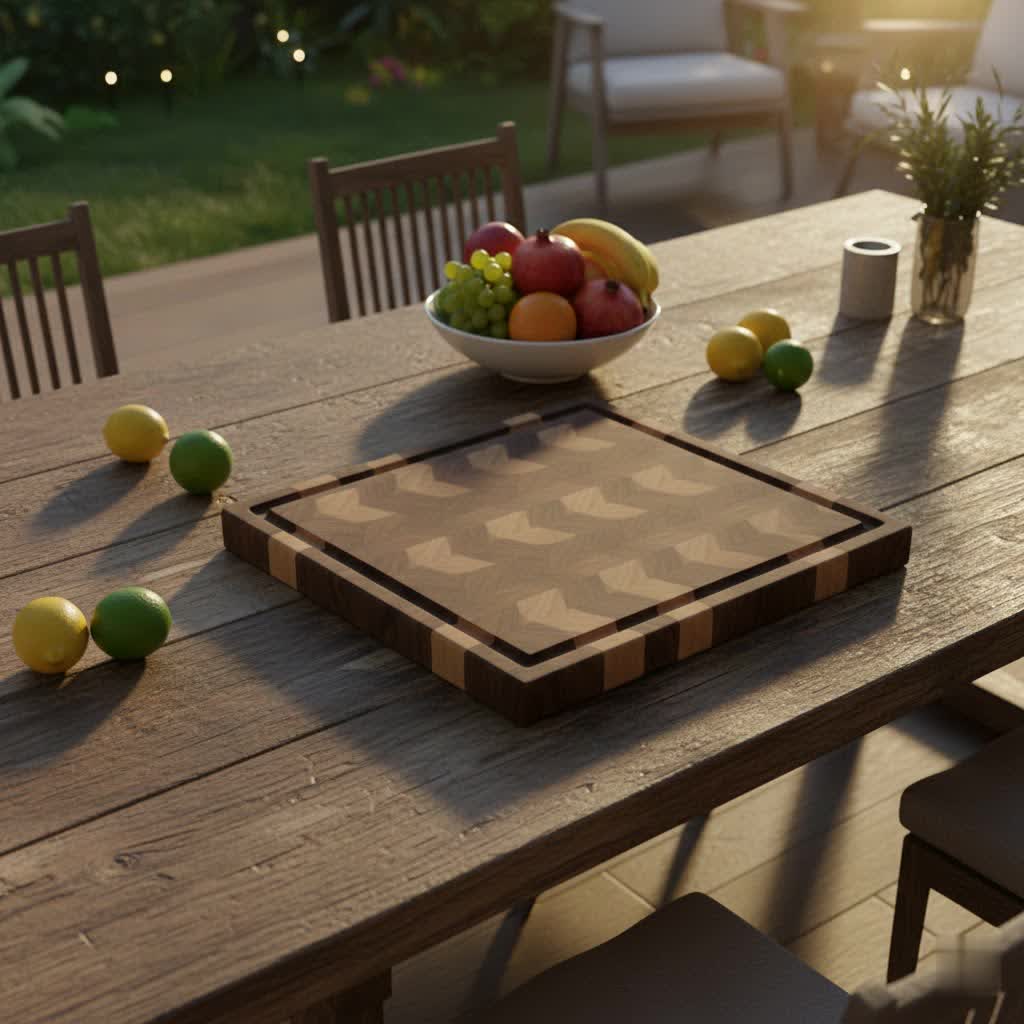
Wooden cutting boards are primarily categorized by how the wood grain is oriented on the cutting surface: end grain, edge grain, and face grain. This orientation significantly impacts the board’s durability, self-healing properties, and how it treats your knives.
- End Grain Cutting Boards:
- Pros: Often considered the superior choice for serious cooks, end grain boards are exceptionally gentle on knife edges. When a knife strikes the surface, the vertical wood fibers separate, allowing the blade to slide between them, much like cutting into a bundle of straws. This “self-healing” action reduces wear on your knives, keeping them sharper longer, and helps prevent deep gouges in the board itself. End grain boards are also incredibly durable and visually striking due to their checkerboard or mosaic patterns.
- Cons: The intricate construction process of an end grain board makes it more labor-intensive and, consequently, more expensive. The exposed end grain fibers are also more porous, meaning these boards tend to absorb oil faster and may require more frequent oiling to stay conditioned and prevent drying out.
- Edge Grain Cutting Boards:
- Pros: Edge grain boards are the most common and generally more affordable option. They are made by gluing long strips of wood side-by-side, with the edge of the wood forming the cutting surface. This construction is simpler, making them easier and quicker to produce. They are still more knife-friendly than plastic or glass, offering a good balance of durability and cost.
- Cons: Unlike end grain, knife blades cut directly across the horizontal wood fibers on an edge grain board, which can dull knives faster over time. You may also notice visible knife marks or “scarring” on the surface more readily, though these can often be sanded out with proper maintenance.
- Face Grain Cutting Boards:
- Face grain boards utilize the widest surface of a plank as the cutting area. While aesthetically pleasing, they are the least durable for heavy chopping and the most prone to showing knife marks and dulling blades quickly. They are often best reserved for serving or light prep work rather than primary cutting.
|
Our Picks for the Best Cutting Board in 2026
As an Amazon Associate I earn from qualifying purchases.
|
||
| Num | Product | Action |
|---|---|---|
| 1 | Bamboo Cutting Boards for Kitchen [Set of 3] Wood Cutting Board for Chopping Meat, Vegetables, Fruits, Cheese, Knife Friendly Serving Tray with Handles |
![Check Bamboo Cutting Boards for Kitchen [Set of 3] Wood Cutting Board for Chopping Meat, Vegetables, Fruits, Cheese, Knife Friendly Serving Tray with Handles on Amazon](https://reviewerpri.com/wp-content/plugins/amazon-tables/assets/images/buy.png)
|
| 2 | Bamboo Cutting Board for Kitchen Meal Prep & Serving, 3-Piece Wooden Set with Juice Grooves, Side Handles, Non-Slip Mats – Ideal for Meat, Veggies, Fruit – Ideal Gift for the Home |
|
| 3 | Titanium Cutting Board for Kitchen, Cutting Board Double Sided Food Grade, Pure Titanium/PP, Easy to Clean Large Size 16”×11” |
|
| 4 | GORILLA GRIP BPA-Free Reversible Kitchen Cutting Board Set of 3, US Designed, Nonporous, Juice Grooves Catch Liquid, Slip Resistant Border, Dishwasher Safe, Durable Large Food Chopping Boards, Black |
|
| 5 | Kikcoin Extra Large Bamboo Cutting Boards, (Set of 3) Chopping Boards with Juice Groove Bamboo Wood Cutting Board Set Butcher Block for Kitchen, End Grain Serving Tray |
|
| 6 | Keechee Bamboo Cutting Board, Durable Wood Cutting Boards for Kitchen with Deep Juice Grooves & Built-in Handles, Ideal Charcuterie & Chopping for Meat, Vegetables and Fruits Ideal Kitchen Gifts |
|
| 7 | Extra Large Cutting Boards, Plastic Cutting Boards for Kitchen (Set of 3) Cutting Board Set Dishwasher Chopping Board with Juice Grooves Easy-Grip Handles, Dark Grey, Empune |
|
| 8 | Checkered Acacia Wood Cutting Board for Kitchen – Wooden Chopping Board, Durable Checkered Charcuterie Board for Meat, Fruit, Cheese & Vegetables, 16" x 11" x 1" |
|
| 9 | Bamboo Cutting Boards for Kitchen, Extra Large Wood Cutting Board with Deep Juice Groove and Handle Heavy Duty Chopping board, Kikcoin, 17.6" x 12" |
|
| 10 | Acacia Wood Cutting Board with Handle, 16x8 Inch Large Kitchen Chopping Board for Meat and Cheese, Butcher Block Serving Tray for Charcuterie, Bread and Fruit |
|
Types of Wood Commonly Used
The choice of wood is paramount for a high-quality cutting board. The ideal wood possesses a closed, tight grain to resist moisture and bacteria, sufficient hardness to withstand cuts without being overly hard on knives, and, of course, must be food-safe.
- Hard Maple (Sugar Maple): Often considered the gold standard, hard maple boasts a Janka hardness rating of around 1450 lbf. Its dense, tight, closed grain structure provides excellent durability, resists bacterial growth, and is exceptionally gentle on knife edges. Its light, neutral color also makes it easy to spot when cleaning is needed.
- Walnut (American Walnut): With a Janka rating of about 1010 lbf, walnut is slightly softer than maple but still highly durable and very knife-friendly. It offers rich, dark brown tones that can add elegance to any kitchen. Its natural oils provide some resistance to moisture and bacteria.
- Cherry: Cherry wood, with a Janka rating of approximately 950 lbf, is the softest among the top three but still offers excellent durability. It’s incredibly gentle on knives and develops a beautiful, warm reddish-brown patina over time. Like walnut, it has a closed grain that helps with hygiene.
- Teak: Known for its exceptional water resistance due to natural oils, teak (Janka 1155 lbf) is a popular choice, especially for boards that might encounter more moisture. However, some debate its long-term impact on knives compared to maple or walnut.
Woods to avoid:
Avoid softwoods like pine, cedar, or fir, as they dent easily, splinter, and absorb water. Highly porous woods such as red oak or mahogany can harbor bacteria. Some exotic woods may also contain compounds that are not food-safe. Bamboo, while popular, is extremely hard and often glued in layers, making it tough on knives and prone to cracking over time.
Comparison of Common Wooden Cutting Board Constructions
| Feature | End Grain Cutting Board | Edge Grain Cutting Board |
|---|---|---|
| Durability | Excellent; self-healing properties resist deep cuts | Good; shows knife marks more readily but can be resurfaced |
| Knife-Friendliness | Superior; blades slide between fibers, keeping knives sharp | Good; still better than plastic/glass, but can dull knives faster |
| Bacterial Resistance | Good; fibers can draw bacteria inward to die due to lack of moisture | Good; proper cleaning is crucial |
| Aesthetics | Highly decorative, often with complex patterns | Classic, linear grain patterns |
| Cost | Higher due to complex construction and labor | More affordable and common |
| Maintenance | May require more frequent oiling | Regular oiling, but less critical than end grain |
Choosing the Right Board for Your Needs
The “best” cutting board ultimately depends on your individual cooking style and priorities. If you value knife longevity and a board that visibly withstands heavy use, an end grain board is an excellent investment. For everyday cooking where budget and ease of initial construction are factors, a well-made edge grain board is a fantastic choice.
Your Guide to Selecting the Perfect Woodworking Cutting Board
Choosing the right cutting board is a crucial decision for any kitchen, blending functionality with personal preference. As an experienced woodworking technician, I’ve seen countless boards, and here’s what truly matters when you’re making your selection.
Determine Your Usage Needs
Before you even think about materials, consider how you’ll use your board:
- What will you cut? Will it be primarily for vegetables, meats, or both? A dedicated meat board might benefit from a juice groove.
- How often will you use it? Daily use warrants a more durable, low-maintenance option.
- What size fits your kitchen? Measure your counter space and storage areas. A large board is great for meal prep but needs a home.
- What’s your budget? Handmade, exotic wood, end grain boards will naturally be more expensive.
Material Selection: Prioritizing Quality and Safety
The material is the heart of your cutting board. Focus on these key attributes:
- Food-Safe Hardwoods: Always opt for species like hard maple, walnut, or cherry. These are non-toxic, have tight, closed grains that resist bacteria, and won’t impart flavors to your food. Avoid porous woods like red oak, which can harbor moisture and bacteria, and any wood with a strong natural aroma or known toxicity.
- Janka Hardness: This scale measures wood’s resistance to denting and wear. For cutting boards, a Janka rating between 900-1500 lbf is ideal. This range is soft enough to protect knife edges but hard enough to be durable.
- Grain Structure: Closed-grain woods are paramount for hygiene. They prevent liquids and food particles from penetrating deeply into the wood, making cleaning more effective.
- Construction Type: Revisit the end grain versus edge grain discussion. An end grain board offers superior knife protection and durability, while an edge grain board provides a more budget-friendly and common aesthetic.
Brands and Pricing: Investing in Value
While specific brands like John Boos are renowned for quality, focus on the craftsmanship and materials regardless of the name.
- Look for reputable woodworkers or manufacturers who specify the wood species, construction method, and finishing oils used. Transparency indicates quality.
- Compare value, not just price. A cheaper board made from inferior wood or with poor construction will quickly warp, crack, or dull your knives, costing you more in the long run. An investment in a high-quality, properly constructed wooden board can mean a lifetime of use.
- Check reviews and expert recommendations for insights into longevity and customer satisfaction.
Mastering the Art of Cutting Board Care and Maintenance
A well-chosen woodworking cutting board is an investment that can last for decades, becoming a cherished part of your kitchen. However, like any fine tool, it requires consistent care and maintenance to preserve its beauty, functionality, and hygiene.
Essential Daily Cleaning Practices
Proper cleaning after each use is the cornerstone of cutting board longevity and food safety.
- Scrape Off Residue: Begin by scraping off any food bits with a bench scraper or spatula.
- Wash with Mild Soap and Warm Water: Use a sponge or brush with a small amount of mild dish soap and warm running water. Gently scrub both sides of the board to remove all food particles and odors.
- Avoid Soaking and Dishwashers: Never submerge your wooden cutting board in water or put it in a dishwasher. Prolonged exposure to water can cause the wood to warp, crack, or split.
- Rinse and Dry Immediately: Rinse thoroughly to remove all soap residue, then immediately dry the board with a clean towel.
- Air Dry Upright: Allow the board to air dry completely by standing it on its edge or in a rack. This ensures even airflow on all sides and prevents moisture from accumulating, which can lead to warping or mildew.
Deep Cleaning and Sanitizing
For a more thorough clean, or after preparing raw meats, sanitizing is important.
- Vinegar Solution: A simple solution of one part white vinegar to two parts water acts as a natural disinfectant against common bacteria like E. coli and Salmonella. Spray the board, let it sit for a few minutes, then wipe clean and dry.
- Lemon and Salt: For stubborn stains or odors, sprinkle coarse salt over the board, then use half a lemon to scrub the salt into the wood. The lemon’s acid brightens and deodorizes, while the salt exfoliates. Rinse well and dry.
- Baking Soda Paste: A paste of baking soda and water can lift tough stains and neutralize odors. Apply, let sit, then scrub and rinse.
Food-Safe Finishes and Regular Oiling
Oiling is vital for preventing your board from drying out, cracking, and becoming more susceptible to bacteria.
- Food-Grade Mineral Oil: This is the most common and recommended finish. It’s colorless, odorless, tasteless, and completely inert. Apply a generous amount with a clean cloth, allowing it to soak into the wood for several hours or overnight. Reapply until the wood stops absorbing the oil, then wipe off any excess.
- Beeswax or Board Cream: Often used in conjunction with mineral oil, a beeswax blend (or specific board cream) provides an additional protective layer, sealing in the oil and offering enhanced water resistance. Apply a thin layer after oiling, let it sit, then buff to a gentle sheen.
- Application Frequency: Depending on how often you use and wash your board, you may need to oil it anywhere from monthly to a few times a year. A good indicator is when water no longer beads on the surface or the wood starts to look dry and lighter in color.
- Avoid Vegetable Oils: Never use cooking oils like olive, canola, or vegetable oil, as they will go rancid over time, imparting an unpleasant smell and taste to your food.
- Other Food-Safe Options: Pure tung oil (not “Tung Oil Finish” which may contain additives) and raw linseed oil (not “boiled” which contains metallic driers) are also durable, drying oil options, but require longer curing times. Walnut oil can also be used and polymerizes without rancidity.
Proper Storage to Prevent Warping
How you store your board can significantly impact its lifespan.
- Dry, Ventilated Area: Always store your board in a dry, cool place away from direct heat sources (like ovens or dishwashers) or prolonged sunlight.
- Upright Storage: Ideally, store your board standing upright. If stored flat, ensure it has feet to allow airflow on both sides. Uneven drying or moisture exposure can lead to warping.
Addressing Common Issues
- Minor Scratches: For shallow knife marks, light sanding with fine-grit sandpaper (220-400 grit) can often restore the surface. After sanding, re-oil the board.
- Drying Out: If your board appears very dry, give it a “deep conditioning” by applying several coats of mineral oil over a day or two until it’s fully saturated, followed by a beeswax blend.
> “A well-oiled cutting board is a happy cutting board. Regular conditioning is not just about aesthetics; it’s vital for hygiene and preventing long-term damage.” – ReviewerPri.com Admin, Woodworking Technician
Conclusion
Choosing or crafting a woodworking cutting board is a journey into quality, durability, and a more enjoyable culinary experience. From selecting the right hardwood like maple, walnut, or cherry, to understanding the benefits of end grain versus edge grain construction, every decision contributes to the board’s character and longevity. With diligent care – consistent cleaning, regular oiling with food-grade mineral oil and beeswax, and proper storage – your wooden cutting board won’t just be a kitchen tool; it will be a reliable partner, enhancing your cooking for many years to come.
What kind of culinary masterpiece will you create on your expertly maintained wooden cutting board?
Frequently Asked Questions
Is an end-grain cutting board truly worth the higher price point?
Yes, for serious cooks and knife enthusiasts, an end-grain cutting board is often worth the investment. Its unique construction allows knife blades to slide between wood fibers, preserving knife edges and making the board more resistant to deep cuts. This means your knives stay sharper longer, and the board itself endures heavy use with less visible wear, making it a premium, long-lasting kitchen tool.
How often should I re-oil my wooden cutting board?
The frequency of re-oiling depends on how often you use and wash your cutting board. A good rule of thumb is to oil it when the wood starts to look dry, faded, or when water no longer beads on its surface. For frequently used boards, this might be monthly, while less used boards might only need oiling a few times a year. Always use food-grade mineral oil or a mineral oil and beeswax blend for best results.
