Welcome to the world of culinary craftsmanship, where the right tools can elevate your cooking experience. Among the essential implements in any kitchen, the cutting board stands paramount. While countless options flood the market, from traditional wood to modern plastic and eco-friendly bamboo, one material consistently captures the attention of both home cooks and professional chefs: maple. A maple cutting board isn’t just a surface for slicing and dicing; it’s an investment in hygiene, knife longevity, and timeless aesthetic. With over a decade of hands-on experience evaluating hundreds of cutting boards, we’re here to share invaluable insights to help you understand why maple might be the perfect fit for your kitchen and how to ensure it lasts a lifetime.
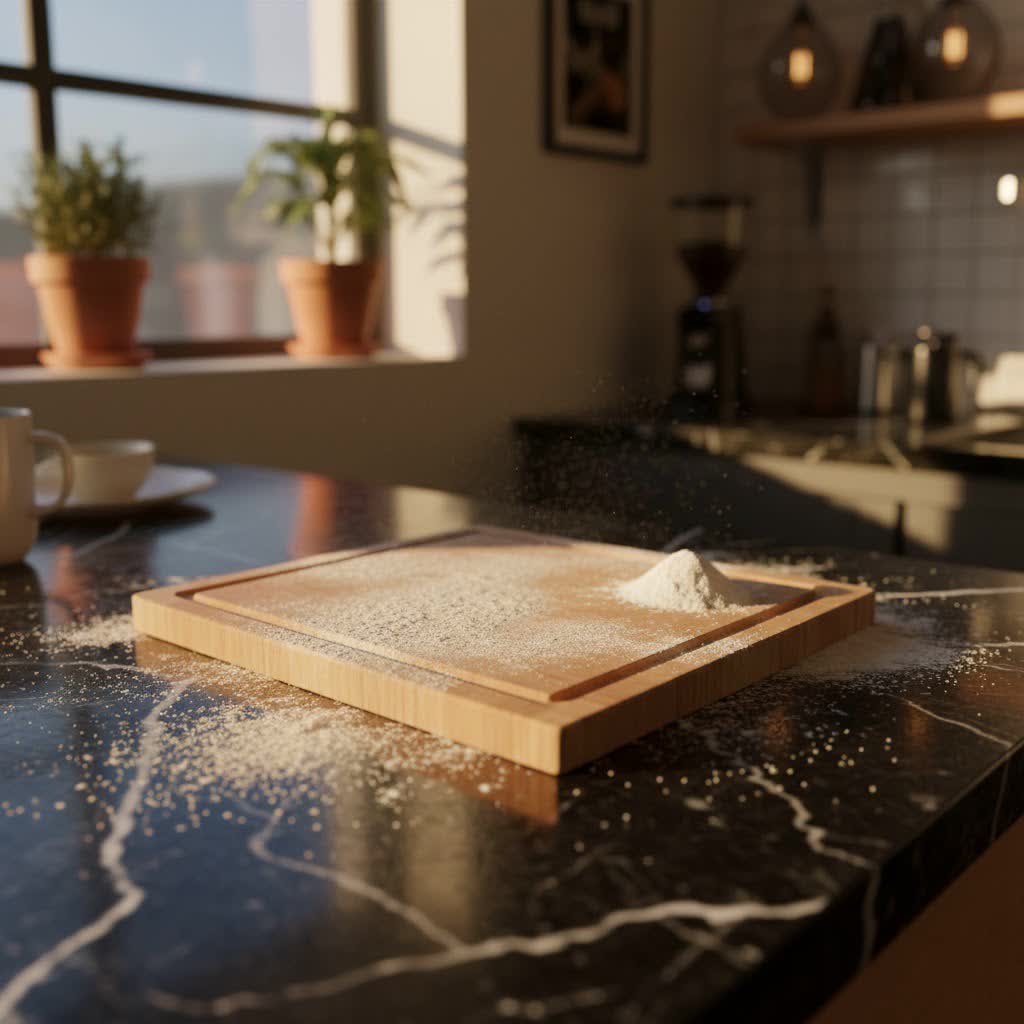
Common Cutting Board Materials: A Comprehensive Overview
Choosing a cutting board is more than a simple purchase; it’s a decision that impacts your kitchen’s hygiene, your knives’ sharpness, and the overall efficiency of your food preparation. Let’s explore the most popular materials, each with its unique characteristics, before diving deep into the exceptional qualities of maple.
Wooden Cutting Boards
Wooden cutting boards have graced kitchens for centuries, celebrated for their natural beauty and functional benefits. They are generally gentler on knife blades compared to harder materials, which helps maintain sharpness. Many hardwoods, like oak, cherry, walnut, and especially maple, possess natural antibacterial properties due to their porous nature trapping bacteria, which then die off as the wood dries. However, proper care, including regular oiling, is crucial to prevent warping, cracking, and to maintain their hygienic properties.
- Pros: Knife-friendly, aesthetically pleasing, natural antibacterial properties, durable with care.
- Cons: Requires consistent maintenance (oiling), can be heavy, susceptible to warping or cracking if not cared for properly.
- Common Types of Wood:
- Teak: Known for its high oil content, making it water-resistant and durable, though often more expensive and can be harder on knives.
- Walnut: A beautiful, darker wood that is moderately hard and gentle on knives, but typically pricier.
- Cherry: Offers a good balance of hardness and knife-friendliness, with a distinct reddish hue that deepens with age.
- Maple: Often considered the gold standard, offering an exceptional blend of durability, knife protection, and hygiene.
|
Our Picks for the Best Cutting Board in 2026
As an Amazon Associate I earn from qualifying purchases.
|
||
| Num | Product | Action |
|---|---|---|
| 1 | Bamboo Cutting Boards for Kitchen, Extra Large Wood Cutting Board with Deep Juice Groove and Handle Heavy Duty Chopping board, Kikcoin, 17.6" x 12" |

|
| 2 | Keechee Bamboo Cutting Board, Durable Wood Cutting Boards for Kitchen with Deep Juice Grooves & Built-in Handles, Ideal Charcuterie & Chopping for Meat, Vegetables and Fruits Ideal Kitchen Gifts |
|
| 3 | Titanium Cutting Board for Kitchen, Cutting Board Double Sided Food Grade, Pure Titanium/PP, Easy to Clean Large Size 16”×11” |
|
| 4 | Acacia Wood Cutting Board with Handle, 16x8 Inch Large Kitchen Chopping Board for Meat and Cheese, Butcher Block Serving Tray for Charcuterie, Bread and Fruit |
|
| 5 | GORILLA GRIP BPA-Free Reversible Kitchen Cutting Board Set of 3, US Designed, Nonporous, Juice Grooves Catch Liquid, Slip Resistant Border, Dishwasher Safe, Durable Large Food Chopping Boards, Black |
|
| 6 | Bamboo Cutting Board for Kitchen Meal Prep & Serving, 3-Piece Wooden Set with Juice Grooves, Side Handles, Non-Slip Mats – Ideal for Meat, Veggies, Fruit – Ideal Gift for the Home |
|
| 7 | Kikcoin Extra Large Bamboo Cutting Boards, (Set of 3) Chopping Boards with Juice Groove Bamboo Wood Cutting Board Set Butcher Block for Kitchen, End Grain Serving Tray |
|
| 8 | Extra Large Cutting Boards, Plastic Cutting Boards for Kitchen (Set of 3) Cutting Board Set Dishwasher Chopping Board with Juice Grooves Easy-Grip Handles, Dark Grey, Empune |
|
| 9 | Bamboo Cutting Boards for Kitchen [Set of 3] Wood Cutting Board for Chopping Meat, Vegetables, Fruits, Cheese, Knife Friendly Serving Tray with Handles |
|
| 10 | Checkered Acacia Wood Cutting Board for Kitchen – Wooden Chopping Board, Durable Checkered Charcuterie Board for Meat, Fruit, Cheese & Vegetables, 16" x 11" x 1" |
|
Maple Cutting Boards
Among wooden cutting boards, maple stands out as a superior choice, particularly hard maple (such as sugar maple). Its impressive hardness and density make it highly resistant to scratches and dents, ensuring a long-lasting surface. The tight grain structure of maple is key to its hygiene, preventing moisture and bacteria from easily penetrating the surface.
- Advantages:
- Exceptional Durability: Maple is renowned for its robustness, capable of withstanding years of daily use without showing significant wear. Its dense fibers resist cuts, making it a long-term investment.
- Knife-Friendly: Despite its hardness, maple strikes a perfect balance, providing a firm surface for chopping while being forgiving on knife edges. This helps maintain the sharpness of your blades, reducing the frequency of sharpening.
- Natural Hygiene: The tight, closed grain of maple wood naturally inhibits bacterial growth. This intrinsic antibacterial property makes it a safe and sanitary choice for preparing a variety of foods.
- Aesthetic Appeal: With its light, neutral color and subtle, uniform grain pattern, a maple cutting board seamlessly blends into any kitchen decor, adding a touch of classic elegance.
- Stability: A well-constructed maple board is less prone to warping or splitting, especially when properly cared for, providing a consistently flat and reliable work surface.
- Relative Affordability: While a quality investment, maple boards are often more accessible than some exotic hardwoods, offering premium benefits without an exorbitant price tag.
- Disadvantages:
- Maintenance Required: To ensure longevity and prevent drying or cracking, maple boards require regular oiling and conditioning.
- Prone to Staining: The light color of maple can make it more susceptible to showing stains from deeply pigmented foods like berries, beets, or turmeric.
- Weight: Due to its density, larger maple cutting boards can be quite heavy, which might be a consideration for storage and handling.
> “The balance of hardness in maple wood is truly exceptional; it’s robust enough to withstand daily chopping yet gentle enough to preserve the sharpness of your most cherished knives.”
Plastic Cutting Boards
Plastic cutting boards are a ubiquitous presence in modern kitchens, favored for their lightweight nature and perceived ease of cleaning. Typically made from HDPE (high-density polyethylene) or PP (polypropylene), they are often dishwasher-safe, offering a convenient sanitization option. However, plastic boards can develop deep knife grooves over time, which become difficult to clean and can harbor bacteria.
- Pros: Lightweight, affordable, dishwasher-safe (many types), available in various colors to prevent cross-contamination.
- Cons: Can dull knives faster, prone to deep scoring where bacteria can accumulate, may leach microplastics, less aesthetically pleasing.
Bamboo Cutting Boards
Bamboo cutting boards are often marketed as an eco-friendly alternative to traditional wood. Bamboo is a grass that grows rapidly, making it a sustainable resource. These boards are generally harder than many woods, offering a durable surface. However, their hardness can also be a drawback, as they tend to be tougher on knife blades, causing them to dull more quickly than on maple or other softer hardwoods.
- Pros: Sustainable and eco-friendly, durable, often more affordable than hardwood, lightweight.
- Cons: Can be very hard on knives, glued construction may weaken over time, still requires oiling to prevent cracking, can be less forgiving to dropped items.
Glass Cutting Boards
Glass cutting boards offer a sleek, modern look and are exceptionally easy to clean and sanitize. They are non-porous and impervious to stains, making them a hygienic choice. Their heat resistance also allows them to double as trivets. However, the extreme hardness of glass is a significant disadvantage for knives, leading to rapid dulling and even chipping of blades.
- Pros: Highly sanitary, non-porous, stain-resistant, heat-resistant, easy to clean.
- Cons: Extremely hard on knives, surfaces can be slippery, prone to chipping or shattering if dropped, unpleasant noise when cutting.
Comparing Cutting Board Materials
To help you visualize the differences, here’s a comparative look at the most common cutting board materials:
| Feature | Maple Wood | Plastic | Bamboo | Glass |
|---|---|---|---|---|
| Durability | Excellent, long-lasting with proper care | Good, but scores easily | Good, but can split or delaminate | Excellent, but shatters if dropped |
| Knife-Friendly | Very good, helps maintain blade sharpness | Poor, dulls knives quickly | Moderate, harder on knives than maple | Very poor, severely dulls and chips knives |
| Hygiene | Excellent, natural antibacterial properties | Good when new, poor when deeply scored | Good, less porous than wood, but glued | Excellent, non-porous, easy to sanitize |
| Maintenance | Regular oiling, hand wash only | Low, many are dishwasher safe | Regular oiling, hand wash only | Very low, dishwasher safe |
| Aesthetics | Classic, elegant, natural | Functional, various colors | Natural, distinct grain | Modern, sleek |
| Cost | Moderate to High | Low | Low to Moderate | Low to Moderate |
| Best For | All-purpose, serious cooks, knife preservation | Quick prep, color-coding, raw meat (new) | Light chopping, eco-conscious users | Serving, trivets, non-cutting tasks |
Your Guide to Choosing the Perfect Cutting Board
Selecting the ideal cutting board involves a thoughtful consideration of your culinary habits, kitchen space, and personal preferences. Investing time in this decision will pay dividends in your daily cooking routine and the longevity of your kitchen tools.
Determine Your Needs
Before you commit to a purchase, reflect on how you’ll primarily use the board:
- What will you be cutting? Do you need a robust surface for butchering meats, a gentle one for delicate herbs, or an all-rounder for everyday fruits and vegetables? Maple is an excellent choice for an all-purpose board, handling everything from raw meat to hard cheeses with grace.
- What size fits your kitchen? Consider your counter space and storage availability. A larger board offers more working area but can be cumbersome. For smaller kitchens, a medium-sized maple board can be incredibly versatile.
- What’s your budget? High-quality maple cutting boards are an investment, but their longevity and performance often justify the price. Setting a budget helps narrow down your options.
Material Matters
The material of your cutting board is perhaps the most critical factor. Prioritize materials that are safe, durable, and easy to maintain.
- Safety First: Ensure the material is food-grade and, if plastic, BPA-free. Maple wood’s natural antibacterial properties and tight grain make it an inherently safe choice, reducing concerns about bacterial contamination.
- Ease of Cleaning and Hygiene: While some materials are dishwasher-safe, effective hand-washing and proper sanitization are key. Maple’s smooth, dense surface is straightforward to clean, and with regular care, it maintains its hygienic integrity.
- Knife Preservation: If you value your knives, choose a material that is kind to their edges. Maple is celebrated for striking the ideal balance, providing a stable cutting surface without excessive wear on your blades.
Brands and Budget
The market offers a wide array of cutting board brands, from artisanal craftsmen specializing in wood to large manufacturers of synthetic options.
- Reputable Brands: Seek out brands known for quality craftsmanship, especially for wooden boards. For maple, look for products made from hard maple, often end-grain or edge-grain construction, which further enhances durability and knife-friendliness.
- Value for Money: While cheaper boards exist, they often compromise on quality and longevity. A well-made maple cutting board, though a higher upfront cost, offers superior performance and can last decades with proper care, proving to be a better long-term value. Don’t simply compare price tags; consider the total cost of ownership over its lifespan.
Essential Care and Maintenance for Your Cutting Board
A high-quality cutting board, especially one made of maple, is built to last, but its longevity and hygienic performance depend heavily on consistent care. Adhering to a simple maintenance routine will ensure your board remains a reliable and beautiful kitchen companion for decades.
Immediate Cleaning
Always clean your cutting board promptly after each use. This prevents food particles from drying onto the surface and reduces the risk of bacterial growth.
- Hand Wash Only: Never place your maple cutting board in a dishwasher. The intense heat and harsh detergents can strip natural oils, leading to warping, cracking, and damage to the wood fibers.
- Mild Soap and Warm Water: Use a soft sponge or brush with mild dish soap and warm water. Thoroughly scrub both sides of the board to remove all food residues.
- Rinse and Dry: Rinse the board completely with warm water. Immediately dry it with a clean towel. Then, stand it upright in a dish rack or lean it against a wall to allow air circulation on all sides, ensuring it dries fully and evenly. Avoid laying it flat while wet, as this can trap moisture and promote warping.
Deep Cleaning and Sanitization
For more thorough cleaning or to address stubborn odors, periodic sanitization is recommended.
- Vinegar Solution: For a natural disinfectant, mix equal parts white vinegar and water. Wipe down the entire surface of the board with this solution, let it sit for a few minutes, then rinse thoroughly with water and dry.
- Stain Removal: For tough stains, create a paste using baking soda and a small amount of water. Gently scrub the stained area with a soft brush or sponge, then rinse well. A slice of lemon rubbed over the board with a sprinkle of coarse salt can also help lift stains and deodorize.
Regular Oiling and Conditioning
Oiling is the cornerstone of wooden cutting board maintenance. It replenishes lost moisture, prevents drying and cracking, and creates a protective barrier against food particles and liquids.
- Food-Grade Mineral Oil: Use a food-grade mineral oil or a specialized cutting board conditioner (often a blend of mineral oil and beeswax). Avoid cooking oils like olive or vegetable oil, as they can go rancid.
- Application: Apply a generous, even coat of oil to all surfaces of the board (top, bottom, and sides) using a clean cloth. Allow the oil to soak in for several hours, or ideally, overnight.
- Buff and Repeat: Wipe off any excess oil with a clean cloth. For new boards or those that appear dry, you may need to repeat this process several times until the wood is saturated.
- Frequency: Oil your board monthly with regular use, or more frequently if it starts to look dry or dull. A good rule of thumb is “once a day for a week, once a week for a month, once a month forever.”
Proper Storage
How you store your cutting board can significantly impact its longevity.
- Dry and Ventilated: Always store your board in a dry, well-ventilated area away from direct heat sources like ovens or radiators, which can cause the wood to dry out excessively.
- Vertical Storage: Storing the board on its edge or in a dedicated rack allows for optimal air circulation, preventing moisture buildup and reducing the risk of warping.
- Rotate Sides: If your board is reversible, make a habit of flipping and rotating it with each use. This ensures even wear and helps the wood maintain its structural integrity.
Conclusion
The maple cutting board stands as a testament to timeless quality and enduring performance in the kitchen. With its exceptional durability, knife-friendly surface, and natural hygienic properties, it offers a superior experience for any cook. While it requires a commitment to proper care through regular cleaning and oiling, this small investment of time ensures that your maple cutting board will not only enhance your culinary endeavors but also become a cherished centerpiece in your kitchen for many years to come. By understanding its unique advantages and following simple maintenance guidelines, you empower yourself to choose a tool that truly lasts. Isn’t it time your kitchen had a cutting board that works as hard as you do, and looks good doing it?
Frequently Asked Questions
Do maple cutting boards really protect knives better than plastic?
Yes, absolutely. Maple wood provides a firm yet forgiving surface that absorbs the impact of your knife blade, allowing the edge to sink slightly into the wood rather than hitting a rigid surface. This significantly reduces wear and tear on your knives compared to plastic, which can be harder and lead to quicker dulling.
How often should I oil my maple cutting board?
For optimal protection and longevity, aim to oil your maple cutting board at least once a month with regular use. If you use it daily or live in a very dry climate, you might consider oiling it more frequently, perhaps every two to three weeks. You’ll know it’s time to oil when the wood starts to look dull or dry.
Can I use a maple cutting board for raw meat?
Yes, maple cutting boards are excellent for raw meat. The tight grain of maple, combined with its natural antibacterial properties, helps resist bacteria penetration. As long as you follow proper cleaning and sanitizing procedures immediately after use, your maple board is a safe and hygienic choice for all types of food, including raw meat and poultry.
What’s the best type of maple cutting board construction?
End-grain maple cutting boards are generally considered the best construction. In end-grain boards, the wood fibers are oriented vertically, like a bundle of tiny straws, which allows the knife blade to glide between the fibers. This makes them incredibly knife-friendly and less prone to showing knife marks, contributing to their longevity and self-healing properties. Edge-grain boards are also excellent and often more affordable.
Can a stained maple cutting board be restored?
Often, yes. For surface stains, a paste of baking soda and water, or a scrub with lemon juice and salt, can be very effective. For deeper stains or knife marks, light sanding with fine-grit sandpaper can remove the damaged layer of wood and restore the board’s original appearance. Always re-oil thoroughly after sanding.
