Choosing the right cutting board can transform your kitchen experience, making food preparation not just easier, but also more enjoyable and efficient. Among the myriad options available, a high-quality wood cutting board with a handle stands out as a top choice for both home cooks and professional chefs. It’s not just a tool; it’s an investment in your culinary journey, offering superior knife care, durability, and a touch of natural elegance to your kitchen.
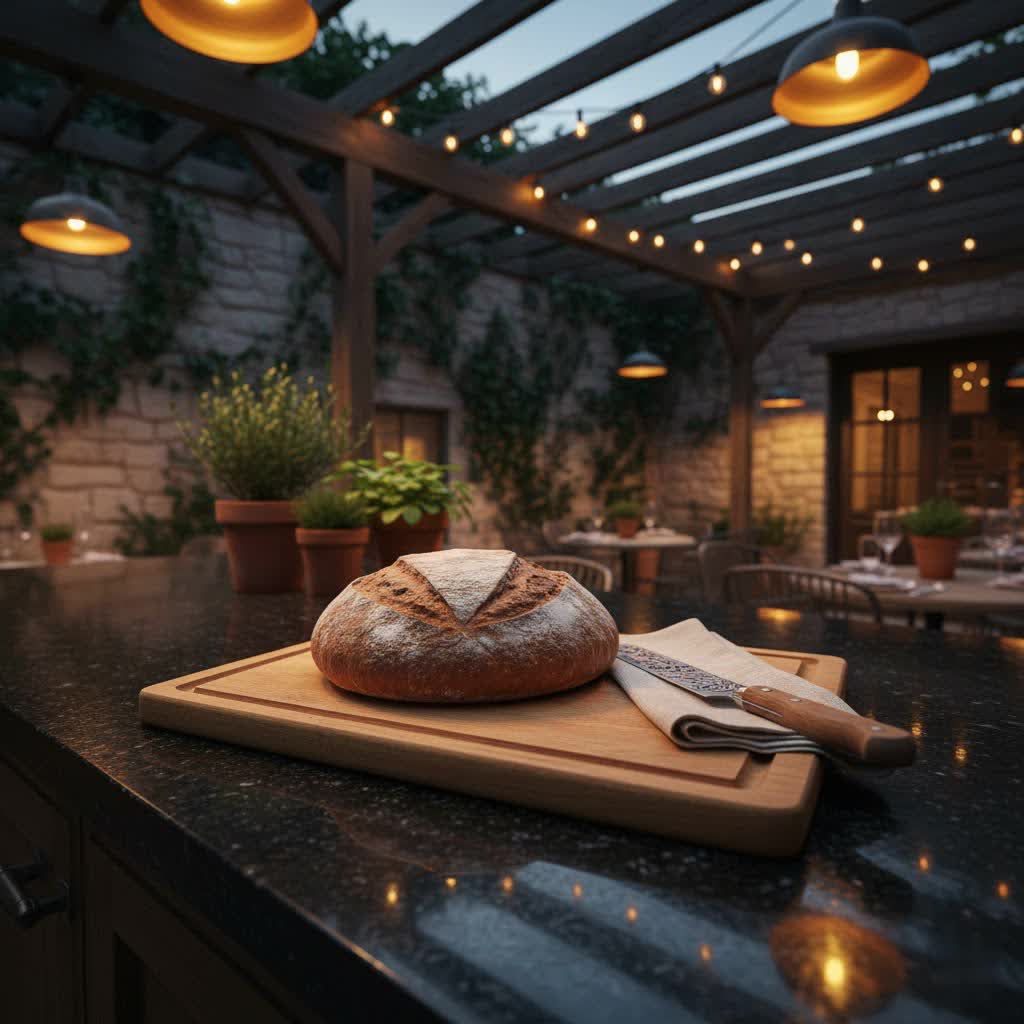
This comprehensive guide will delve into everything you need to know about selecting, using, and maintaining the perfect wood cutting board with a handle. We’ll explore the different types of wood, the advantages of various constructions, essential features, and crucial care tips to ensure your board lasts a lifetime. By the end, you’ll be equipped with the knowledge to make an informed decision and elevate your kitchen prep with a board that combines functionality with timeless appeal.
Exploring Popular Cutting Board Types
When it comes to cutting boards, the material makes all the difference in performance, longevity, and maintenance. While this guide focuses on the excellence of wood, it’s helpful to understand the landscape of options available.
Wood Cutting Boards
Wood cutting boards are often considered the gold standard in kitchens worldwide. Their natural properties make them gentle on knife blades, helping to keep them sharper for longer. Beyond their functionality, wooden boards bring warmth and character to any kitchen aesthetic.
-
Advantages:
- Knife-Friendly: Wood’s natural elasticity allows knife blades to sink slightly into the surface, reducing dulling compared to harder materials.
- Durable & Long-Lasting: With proper care, a good wood cutting board can last for decades.
- Aesthetic Appeal: The natural grain and rich tones of wood add a classic, elegant touch to your kitchen.
- Self-Healing (End Grain): End-grain wood boards can “heal” minor knife cuts, making them more resistant to deep grooves that harbor bacteria.
- Natural Antimicrobial Properties: Many woods possess natural compounds that inhibit bacterial growth.
-
Disadvantages:
- Maintenance Required: Wood boards need regular oiling and conditioning to prevent drying, cracking, and warping.
- Not Dishwasher Safe: High heat and prolonged water exposure in a dishwasher can damage wood.
- Can Be Heavy: Larger wood boards, especially butcher blocks, can be quite heavy and difficult to move.
- Price: High-quality wood cutting boards can be more expensive upfront than plastic or bamboo.
-
Common Wood Types:
- Maple: A hard, dense wood, highly favored for cutting boards due to its closed grain structure, which is less prone to absorbing liquids and bacteria. It’s excellent for durability and knife preservation.
- Teak: Known for its high oil content and water resistance, teak is an incredibly durable wood that performs well in moist environments. Its varied grain patterns also effectively hide knife marks.
- Walnut: A beautiful hardwood with rich, dark tones, walnut offers a moderate hardness that is gentle on knives while providing excellent durability. It’s often chosen for its stunning aesthetic.
- Acacia: A fast-growing, sustainable wood, acacia is known for its distinctive grain patterns and reasonable hardness. It’s a more affordable option that still offers good performance.
-
Care for Wood Cutting Boards:
- Wash immediately after use with warm, soapy water.
- Rinse thoroughly and dry completely with a towel, then air dry.
- Apply food-grade mineral oil monthly (or more often with heavy use) to keep the wood hydrated.
- Use a “board butter” (a mix of mineral oil and beeswax) for an extra layer of protection and shine.
- Avoid soaking or putting in the dishwasher.
|
Our Picks for the Best Cutting Board in 2026
As an Amazon Associate I earn from qualifying purchases.
|
||
| Num | Product | Action |
|---|---|---|
| 1 | Checkered Acacia Wood Cutting Board for Kitchen – Wooden Chopping Board, Durable Checkered Charcuterie Board for Meat, Fruit, Cheese & Vegetables, 16" x 11" x 1" |

|
| 2 | Keechee Bamboo Cutting Board, Durable Wood Cutting Boards for Kitchen with Deep Juice Grooves & Built-in Handles, Ideal Charcuterie & Chopping for Meat, Vegetables and Fruits Ideal Kitchen Gifts |
|
| 3 | Acacia Wood Cutting Board with Handle, 16x8 Inch Large Kitchen Chopping Board for Meat and Cheese, Butcher Block Serving Tray for Charcuterie, Bread and Fruit |
|
| 4 | Bamboo Cutting Board for Kitchen Meal Prep & Serving, 3-Piece Wooden Set with Juice Grooves, Side Handles, Non-Slip Mats – Ideal for Meat, Veggies, Fruit – Ideal Gift for the Home |
|
| 5 | Bamboo Cutting Boards for Kitchen [Set of 3] Wood Cutting Board for Chopping Meat, Vegetables, Fruits, Cheese, Knife Friendly Serving Tray with Handles |
|
| 6 | GORILLA GRIP BPA-Free Reversible Kitchen Cutting Board Set of 3, US Designed, Nonporous, Juice Grooves Catch Liquid, Slip Resistant Border, Dishwasher Safe, Durable Large Food Chopping Boards, Black |
|
| 7 | Bamboo Cutting Boards for Kitchen, Extra Large Wood Cutting Board with Deep Juice Groove and Handle Heavy Duty Chopping board, Kikcoin, 17.6" x 12" |
|
| 8 | Extra Large Cutting Boards, Plastic Cutting Boards for Kitchen (Set of 3) Cutting Board Set Dishwasher Chopping Board with Juice Grooves Easy-Grip Handles, Dark Grey, Empune |
|
| 9 | Titanium Cutting Board for Kitchen, Cutting Board Double Sided Food Grade, Pure Titanium/PP, Easy to Clean Large Size 16”×11” |
|
| 10 | Kikcoin Extra Large Bamboo Cutting Boards, (Set of 3) Chopping Boards with Juice Groove Bamboo Wood Cutting Board Set Butcher Block for Kitchen, End Grain Serving Tray |
|
Plastic Cutting Boards
Plastic cutting boards are a common sight in many kitchens due to their affordability and ease of cleaning, often being dishwasher safe. They are lightweight and come in various colors, making them useful for color-coding different food types to prevent cross-contamination.
-
Advantages:
- Dishwasher Safe: Most plastic boards can be safely cleaned in a dishwasher, offering convenience.
- Lightweight & Affordable: Easy to move and generally less expensive than wood.
- Non-Porous: They don’t absorb liquids or odors as readily as wood.
- Color-Coding: Available in multiple colors, which can help prevent cross-contamination by dedicating specific boards to meat, poultry, and vegetables.
-
Disadvantages:
- Harsh on Knives: Plastic is harder than wood, causing knives to dull faster.
- Scratches & Grooves: Plastic surfaces are prone to developing deep knife grooves over time, which can harbor bacteria and are difficult to clean.
- Not Long-Lasting: Over time, these boards accumulate cuts and stains, requiring more frequent replacement than wood.
- Environmental Impact: Made from synthetic materials, their disposal raises environmental concerns.
-
Common Plastic Types: High-density polyethylene (HDPE) and polypropylene (PP) are most common, known for durability and heat resistance.
-
Notes on Usage: Always choose BPA-free plastics. Replace boards when deep grooves appear to maintain hygiene.
Bamboo Cutting Boards
Bamboo cutting boards offer an eco-friendly alternative, often praised for their sustainability and distinct appearance. Bamboo is technically a grass, not a wood, but it shares many characteristics with traditional hardwoods.
-
Advantages:
- Eco-Friendly: Bamboo is a rapidly renewable resource, making it a sustainable choice.
- Hard & Durable: Bamboo is very hard and resistant to knife marks.
- Lightweight: Generally lighter than solid wood boards of similar size.
- Water-Resistant: Less porous than some woods, making it relatively water-resistant.
-
Disadvantages:
- Can Dull Knives: Due to its hardness, bamboo can be harder on knife edges than softer woods like maple.
- Glue & Construction: Often made from glued-together strips, the quality of the glue can impact durability and food safety if not properly manufactured.
- Maintenance: Similar to wood, bamboo boards need hand washing and occasional oiling to prevent cracking and drying.
-
Care for Bamboo Boards: Hand wash with mild soap and water, dry thoroughly, and apply mineral oil periodically.
Glass Cutting Boards
Glass cutting boards are primarily chosen for their aesthetic and ease of cleaning. They are often decorative, featuring various designs and patterns.
-
Advantages:
- Extremely Hygienic: Non-porous surface, making them resistant to bacteria and odors.
- Dishwasher Safe: Can withstand high temperatures in a dishwasher.
- Heat Resistant: Can double as a trivet for hot pans.
- Decorative: Available in a wide array of designs.
-
Disadvantages:
- Severely Dulls Knives: The hard, unyielding surface of glass is extremely harsh on knife blades, causing them to dull very quickly.
- Slippery: Glass can be very slippery, posing a safety hazard, especially when wet.
- Noisy: Chopping on a glass board can be quite loud.
- Breakable: Glass boards can shatter if dropped or subjected to strong impact.
-
Notes on Usage: Due to their knife-dulling properties, glass boards are best used for serving or as a protective surface rather than for actual chopping.
The Distinct Advantage of a Wood Cutting Board with a Handle
While all cutting boards serve the basic purpose of providing a surface for food preparation, the addition of a handle significantly enhances the functionality and user experience of a wood cutting board. This seemingly small feature contributes to greater convenience and safety in a bustling kitchen.
Why does a handle truly matter? An integrated handle or carefully carved handholds make maneuvering a typically weighty wooden board remarkably easier. This is especially true for larger butcher blocks that can be challenging to lift and move. Whether you’re transporting chopped ingredients to a pot on the stove, carrying a beautifully arranged charcuterie board to the dining table, or simply moving the board to the sink for cleaning, the handle provides a secure and comfortable grip. This improved portability reduces the risk of accidental drops and spills, streamlining your cooking process from start to finish.
Beyond practical transport, a handle also plays a crucial role in storage. Many wood cutting boards with handles feature a hole in the handle, allowing them to be hung on a hook, freeing up precious counter or cupboard space. This not only keeps your kitchen organized but also allows the board to air dry evenly on all sides, which is essential for preventing warping and bacterial growth. Furthermore, the ergonomic design of a well-crafted handle can alleviate strain during extensive food preparation, making your time in the kitchen more comfortable and efficient.
Key Features to Look For
Choosing the right wood cutting board with a handle involves considering several crucial features that contribute to its performance, durability, and ease of use.
Quality of Wood and Grain Construction
The type of wood and how it’s constructed are paramount to a board’s longevity and impact on your knives.
- End-Grain Construction: Often considered the superior choice for serious cooks, end-grain boards are made by arranging small blocks of wood with the grain facing upwards. This “end” of the wood is softer and more forgiving on knives, allowing the blade to go between the fibers rather than cutting across them. This also gives end-grain boards “self-healing” properties, as the fibers close back up, making them highly durable and resistant to deep cuts. They are typically more expensive but offer unparalleled knife preservation and longevity.
- Edge-Grain Construction: Made by gluing strips of wood together with the grain running along the length of the board. These boards are generally more affordable and also very durable. However, knife blades cut across the wood fibers, which can dull knives slightly faster than end-grain boards and may show knife marks more prominently over time.
- Face-Grain Construction: Features the widest part of the wood plank facing up. While beautiful, these boards are the most prone to knife marks and warping, making them less ideal for heavy chopping.
When choosing, prioritize dense, closed-grain hardwoods like maple, teak, or walnut for their durability and resistance to moisture and bacteria.
Handle Design and Ergonomics
The handle is a defining feature of your board, so its design is critical for comfort and functionality.
- Integrated Handles/Finger Grooves: Many high-quality wood boards feature integrated finger grooves carved directly into the sides or ends of the board. These are discrete, don’t take up extra space, and provide a secure grip for lifting and moving.
- Extended Handles: Some boards have a distinct handle that extends from the main cutting surface, often with a hole for hanging. These are excellent for serving or for boards used for specific tasks like carving or carrying.
- Ergonomic Grip: Regardless of the type, ensure the handle design feels comfortable and secure in your hand. A well-designed handle should allow for a firm grip, even when the board is heavy or potentially wet.
Size and Thickness
The dimensions of your cutting board should align with your kitchen space and cooking habits.
- Size:
- Large (18×24 inches or more): Ideal for extensive meal prep, carving large roasts, or baking projects. Provides ample space for chopping multiple ingredients without constantly clearing the board.
- Medium (12×18 to 15×20 inches): A versatile size for most daily cooking tasks, offering a good balance between workspace and manageability.
- Small (under 12×18 inches): Perfect for quick tasks like slicing an apple or mincing garlic. Easy to clean and store.
- Thickness: Thicker boards (1.5 to 2.5 inches or more) are generally more stable, less prone to warping, and offer a more substantial feel. They are also often heavier, which contributes to stability during chopping. Thinner boards are lighter and easier to store, but may be more susceptible to warping. Opt for thicker boards for durability if weight isn’t an issue.
Additional Features
Thoughtful additions can further enhance your cutting board’s utility.
- Juice Grooves: A channel carved around the perimeter of the board to catch liquids from meats, fruits, or vegetables. This feature is particularly valuable for carving boards, preventing messy spills on your counter.
- Non-Slip Feet: Rubber or silicone feet attached to the bottom of the board prevent it from sliding around on your countertop during use, providing a safer and more stable cutting surface. These also elevate the board, allowing air circulation underneath and preventing moisture buildup.
- Reversible Design: Some boards are designed to be used on both sides, effectively doubling their lifespan and offering versatility (e.g., one side with a juice groove for meat, the other flat for vegetables).
A Comparative Look at Cutting Board Materials
To truly appreciate the wood cutting board with a handle, it’s beneficial to see how it stacks up against other popular materials across key attributes.
| Feature | Wood Cutting Board (with handle) | Plastic Cutting Board | Bamboo Cutting Board | Glass Cutting Board |
|---|---|---|---|---|
| Durability | Excellent, long-lasting with proper care, end-grain self-healing. | Moderate, prone to deep grooves and wear. | Good, very hard and dense. | Excellent (resistant to scratches), but can shatter. |
| Knife-Friendliness | Excellent, preserves knife edges (especially end-grain). | Poor, dulls knives quickly. | Moderate, can be harder on knives than wood. | Very Poor, severely dulls knives. |
| Hygiene | Good, natural antimicrobial properties, but requires proper drying. | Good (dishwasher safe), but grooves harbor bacteria over time. | Good, less porous than some woods, requires drying. | Excellent, non-porous, dishwasher safe. |
| Maintenance | Hand wash, oiling/conditioning required. | Dishwasher safe, easy to clean, needs replacement. | Hand wash, occasional oiling. | Dishwasher safe, easy to clean, no special care. |
| Safety | Stable, handles aid transport, can be heavy. | Lightweight, can slip, grooves can be a hazard. | Stable, generally lightweight. | Very slippery, noisy, easily shatters. |
| Aesthetics | High, natural beauty, adds warmth to kitchen. | Low to moderate, functional. | Moderate to high, distinct grain. | High (decorative), but impractical for cutting. |
| Cost | Moderate to High. | Low to Moderate. | Low to Moderate. | Low. |
Recommendation based on needs:
- For the everyday home chef and knife enthusiast: A high-quality wood cutting board with an ergonomic handle, preferably end-grain maple or walnut, is the clear winner. It’s an investment that pays off in knife care, durability, and a pleasant cooking experience.
- For quick, light tasks or allergen separation: Plastic boards are suitable, but ensure they are frequently replaced.
- For eco-conscious users seeking a hard surface: Bamboo offers a good compromise, but be mindful of knife sharpness.
- For serving or decorative purposes only: Glass boards can be used, but avoid actual cutting.
Guide to Selecting Your Ideal Wood Cutting Board with Handle
Choosing the perfect wood cutting board with a handle involves a thoughtful process, aligning the board’s features with your specific kitchen needs and preferences.
Assess Your Culinary Needs and Kitchen Space
Before diving into options, take a moment to consider how you cook and what space you have available.
- What will you be cutting most often? If you frequently carve large roasts, a board with a juice groove and ample surface area is essential. For daily vegetable chopping, a versatile medium-sized board might suffice.
- How much counter space do you have? Large butcher blocks are fantastic but require significant dedicated space. If your kitchen is compact, a smaller, thinner board that can be hung using its handle might be more practical.
- Are you a heavy chopper or a delicate slicer? Heavy choppers will benefit most from durable, self-healing end-grain boards. Delicate slicers might find edge-grain boards perfectly adequate.
- What’s your budget? High-end wood boards can be an investment, but there are excellent mid-range options available.
Prioritize Wood Type and Construction
The material and how the board is made are fundamental to its performance and lifespan.
- For Ultimate Knife Care and Durability: Opt for an end-grain board made from hardwoods like Maple, Walnut, or Teak. These are built to last and will be kindest to your valuable knives.
- For a Balance of Value and Performance: An edge-grain board from a quality hardwood like Maple or Acacia can be an excellent choice. It offers good durability and an attractive appearance at a more accessible price point.
- Consider Moisture Resistance: If your kitchen is humid or you often work with wet ingredients, a wood like Teak, known for its natural oil content and water resistance, could be a smart choice.
Evaluate Handle Design and Ergonomics
A handle is only beneficial if it’s well-designed and comfortable to use.
- Integrated Finger Grooves: Look for smoothly routed grooves that provide a secure grip without sharp edges. Test how they feel in your hand, especially if you have larger or smaller hands.
- Extended Handle with Hanging Hole: If you plan to hang your board for storage, ensure the hole is large enough for your chosen hook and the handle feels robust. This design is also perfect for serving, offering a convenient grip to carry the board.
- Stability and Balance: When you lift the board by its handle, does it feel balanced? A well-designed board won’t tip or wobble unexpectedly.
Don’t Overlook Essential Add-ons
Small details can make a big difference in daily use.
- Juice Grooves: If you prepare juicy foods, a deep and wide juice groove is a must to keep your countertops clean.
- Non-Slip Feet: These are invaluable for safety and stability. They also protect your board by allowing air circulation underneath, preventing moisture trapping and potential warping. If a board doesn’t have them, consider adding stick-on rubber feet.
Brand Reputation and Value
Invest in a reputable brand known for quality craftsmanship. Brands like John Boos, The Boardsmith, and Teakhaus are well-regarded for their durable, high-performance wood cutting boards. While they might have a higher initial cost, their longevity and superior performance often provide better long-term value. Always compare features and materials across different brands within your budget to find the best balance of quality and price.
> “A cutting board isn’t just a surface; it’s the foundation of your food preparation. Investing in a quality wood board with a well-designed handle fundamentally changes how you interact with your ingredients.” – Chef Elena Rodriguez, Culinary Arts Instructor
Proper Usage and Maintenance for Your Wood Cutting Board
Ensuring the longevity and hygiene of your wood cutting board with a handle requires consistent care and mindful usage.
Daily Cleaning Practices
Immediate and thorough cleaning after each use is vital.
- Hand Wash Only: Never put your wood cutting board in the dishwasher. The intense heat and prolonged water exposure will cause it to warp, crack, and potentially harbor bacteria.
- Warm, Soapy Water: Wash both sides of the board with warm water and a mild dish soap. Use a scrub brush or sponge to remove any food particles.
- Rinse and Dry Completely: Rinse thoroughly under running water, ensuring no soap residue remains. Immediately towel-dry the entire board, then stand it on its edge or hang it by its handle to allow air to circulate around all surfaces. This prevents moisture from getting trapped, which can lead to warping or mold.
Periodic Oiling and Conditioning
Wood is a natural material that needs hydration to prevent drying out and cracking.
- Mineral Oil: Apply a generous amount of food-grade mineral oil (never use vegetable or olive oil, as they can go rancid) to all surfaces of the board at least once a month, or more frequently if your board looks dry or you use it often. Let it soak in for several hours or overnight.
- Board Butter/Wax: After oiling, you can apply a “board butter” (a mixture of mineral oil and beeswax). This creates a protective, water-resistant barrier, sealing the wood and giving it a beautiful sheen. Buff it in with a clean cloth.
Sanitizing Your Board
Even with daily washing, occasional sanitizing is a good practice.
- Lemon and Salt: For a natural method, sprinkle coarse salt over the board, then use half a lemon to scrub the salt into the wood. The salt helps lift stains and odors, and the lemon acts as a natural disinfectant. Rinse and dry thoroughly.
- Vinegar Solution: A solution of white vinegar and water (1:1 ratio) can be sprayed on the board, left for a few minutes, and then rinsed off. Vinegar is a mild disinfectant and deodorizer.
Storage Tips to Prevent Warping
How you store your board greatly impacts its structural integrity.
- Air Circulation: Always store your board in a way that allows air to circulate around it. Standing it on its edge, or hanging it by its handle, is ideal.
- Avoid Flat Storage on Wet Surfaces: Do not leave your board lying flat on a wet countertop or draped over a sink, as this can lead to uneven drying and warping.
- Consistent Environment: Avoid extreme temperature changes or very dry environments, which can cause wood to crack. If you live in a very dry climate, you may need to oil your board more frequently.
By following these simple care instructions, your wood cutting board with a handle will remain a beautiful, hygienic, and indispensable tool in your kitchen for many years to come.
Conclusion
The journey through the world of cutting boards reveals a clear truth: for durability, knife protection, and sheer culinary pleasure, a high-quality wood cutting board with a handle stands in a league of its own. Its natural charm, combined with practical features like effortless portability and smart storage, makes it an indispensable asset in any kitchen. From the robust, self-healing properties of end-grain maple to the water-resistant elegance of teak, the right wood board not only elevates your cooking but also respects the longevity of your knives.
Investing in such a board means choosing a tool that will be a faithful companion through countless meals and culinary adventures, requiring only a little love and care to thrive. By considering your specific needs, prioritizing quality materials and construction, and committing to proper maintenance, you ensure that your cutting board remains a cornerstone of your kitchen for generations. So, are you ready to elevate your cooking space with the timeless functionality and beauty of a meticulously crafted wood cutting board with a handle?
Frequently Asked Questions
Is a wood cutting board with a handle more hygienic than plastic?
Yes, high-quality wood cutting boards, especially those made from dense hardwoods like maple, have natural antimicrobial properties. While plastic boards can be put in a dishwasher, deep grooves in plastic can harbor bacteria, making wood a safer long-term choice with proper cleaning and oiling.
How often should I oil my wood cutting board with a handle?
You should oil your wood cutting board at least once a month with food-grade mineral oil. If you use your board frequently or live in a very dry climate, you may need to oil it every two to three weeks to prevent it from drying out, cracking, and warping.
Can I use my wood cutting board with a handle for all types of food?
Absolutely! A well-maintained wood cutting board is versatile for all food types. However, for raw meats, it’s advisable to have a dedicated board or thoroughly sanitize your main board afterwards to prevent cross-contamination.
What’s the best way to remove stains and odors from my wood cutting board?
For stains and odors, sprinkle coarse salt over the affected area, then use half a lemon to scrub the salt into the wood. Let it sit for a few minutes before rinsing thoroughly. This natural method effectively lifts stains and neutralizes odors without harsh chemicals.
Why do some wood cutting boards have a handle with a hole?
The hole in the handle primarily serves for convenient storage, allowing you to hang the board on a hook, which saves counter space and promotes even air drying to prevent warping. It also enhances the aesthetic appeal of the board.
