Stepping into any kitchen, whether a bustling restaurant or a cozy home, you’ll quickly realize that a cutting board is far more than just a surface for chopping. It’s a foundational tool, impacting everything from the sharpness of your knives to the hygiene of your meals. But with a dizzying array of options, choosing the right cutting board can feel like a culinary challenge in itself. If you’re looking for a blend of durability, aesthetics, and knife-preserving performance, a solid wood cutting board stands out as a superior choice. This guide will help you navigate the world of solid wood cutting boards, ensuring you select and maintain a board that serves as a trusty companion for years to come.
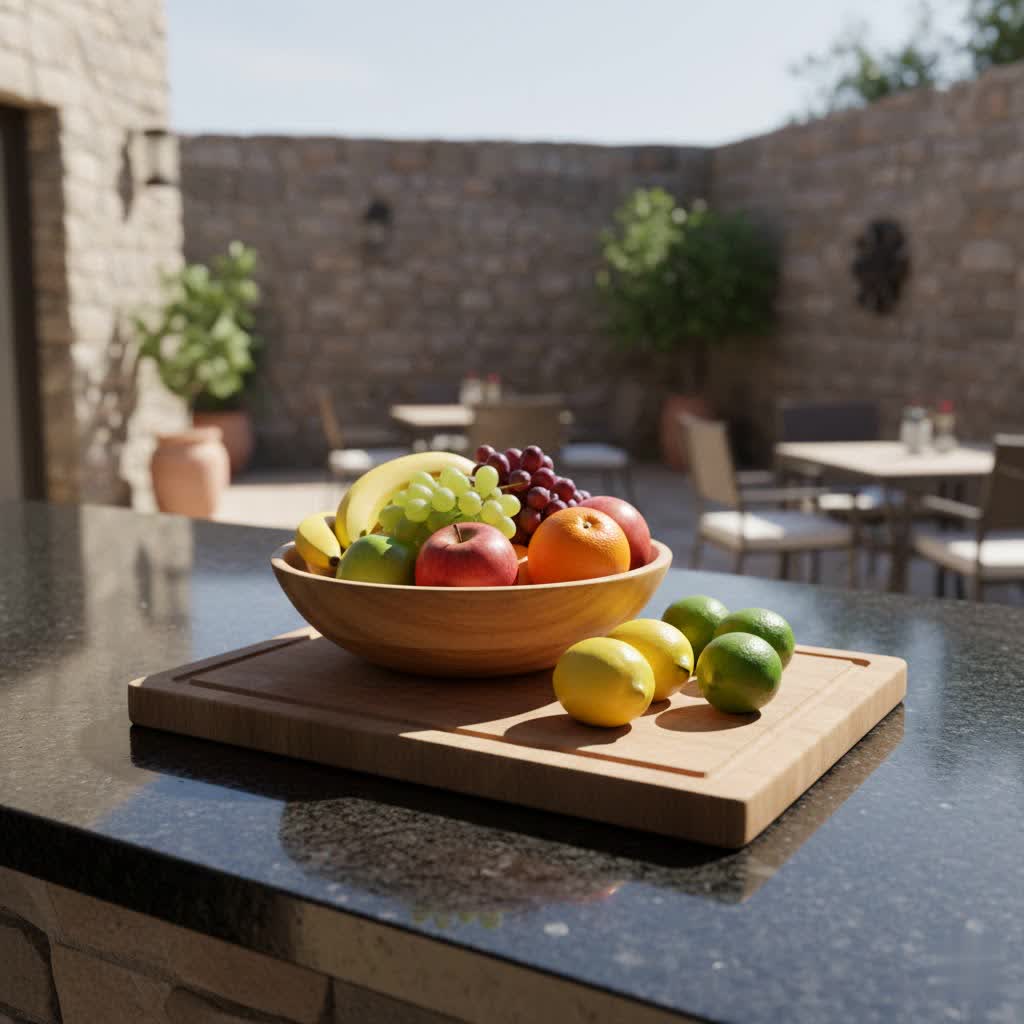
Popular Types of Cutting Boards
Before delving deep into the world of solid wood, let’s briefly consider the landscape of cutting board materials. Each offers distinct advantages and drawbacks, influencing how they perform in your daily kitchen tasks.
Wood Cutting Boards
Solid wood cutting boards are celebrated for their natural beauty and unparalleled performance. They are remarkably gentle on knife blades, helping to maintain sharpness longer than harder surfaces. Woods also possess natural antimicrobial properties, which can help inhibit bacterial growth, especially when properly maintained. However, they do require consistent care, including regular oiling, to prevent warping and cracking.
Different types of wood are chosen for cutting boards based on their specific properties:
- Maple: Often considered the “gold standard,” hard rock maple boasts a tight, closed grain and an ideal Janka hardness rating of around 1455. This makes it incredibly durable, resistant to scratches, and exceptionally kind to knife edges. Its light color also makes it easy to spot when cleaning is needed.
- Walnut: With a Janka hardness of approximately 1010, American black walnut is a fantastic knife-friendly option. It resists moisture and bacterial growth while offering rich, dark tones that add an elegant touch to any kitchen.
- Cherry: A slightly softer hardwood at about 950 on the Janka scale, cherry wood still provides adequate durability and is gentle on knife blades, helping them maintain their edge. Its warm, reddish-brown hues develop a beautiful patina over time.
- Acacia: Known for its striking grain patterns and affordability, acacia wood is durable and relatively water-resistant. However, some acacia can be harder on knives than maple or walnut due to a higher silica content.
- Teak: This tropical hardwood is prized for its aesthetic appeal and natural oils that repel moisture, fungi, and rot. Teak is durable, but its higher silica content can lead to faster knife dulling. It also has larger pores which, if not meticulously maintained, could be more prone to bacteria.
Certain woods should be avoided for cutting boards, such as red oak due to its large, open pores, or softwoods like pine and cedar which are prone to deep knife marks and harboring bacteria. Exotic woods should also be used with caution, as some may contain toxins.
The construction of a wood cutting board also significantly impacts its performance:
- End-Grain: These boards are made from small blocks of wood arranged so the tree’s end fibers face upwards. Knives cut between the fibers, which then “heal” back, making them incredibly kind to blades and highly resistant to deep cuts. End-grain boards are typically more durable and expensive.
- Edge-Grain: Constructed from strips of wood glued together with their edge grain facing up, these boards showcase long, parallel lines. While durable and often more affordable than end-grain, knives cut across the fibers, which can dull blades faster and show more visible knife marks.
- Face-Grain: Made from the widest surface of a wood plank, face-grain boards primarily display the natural beauty of the wood. However, they are generally less durable for heavy chopping and more prone to cracking or showing knife marks, making them better suited for serving.
|
Our Picks for the Best Cutting Board in 2026
As an Amazon Associate I earn from qualifying purchases.
|
||
| Num | Product | Action |
|---|---|---|
| 1 | Kikcoin Extra Large Bamboo Cutting Boards, (Set of 3) Chopping Boards with Juice Groove Bamboo Wood Cutting Board Set Butcher Block for Kitchen, End Grain Serving Tray |

|
| 2 | Keechee Bamboo Cutting Board, Durable Wood Cutting Boards for Kitchen with Deep Juice Grooves & Built-in Handles, Ideal Charcuterie & Chopping for Meat, Vegetables and Fruits Ideal Kitchen Gifts |
|
| 3 | Bamboo Cutting Board for Kitchen Meal Prep & Serving, 3-Piece Wooden Set with Juice Grooves, Side Handles, Non-Slip Mats – Ideal for Meat, Veggies, Fruit – Ideal Gift for the Home |
|
| 4 | Bamboo Cutting Boards for Kitchen, Extra Large Wood Cutting Board with Deep Juice Groove and Handle Heavy Duty Chopping board, Kikcoin, 17.6" x 12" |
|
| 5 | GORILLA GRIP BPA-Free Reversible Kitchen Cutting Board Set of 3, US Designed, Nonporous, Juice Grooves Catch Liquid, Slip Resistant Border, Dishwasher Safe, Durable Large Food Chopping Boards, Black |
|
| 6 | Titanium Cutting Board for Kitchen, Cutting Board Double Sided Food Grade, Pure Titanium/PP, Easy to Clean Large Size 16”×11” |
|
| 7 | Bamboo Cutting Boards for Kitchen [Set of 3] Wood Cutting Board for Chopping Meat, Vegetables, Fruits, Cheese, Knife Friendly Serving Tray with Handles |
|
| 8 | Extra Large Cutting Boards, Plastic Cutting Boards for Kitchen (Set of 3) Cutting Board Set Dishwasher Chopping Board with Juice Grooves Easy-Grip Handles, Dark Grey, Empune |
|
| 9 | Acacia Wood Cutting Board with Handle, 16x8 Inch Large Kitchen Chopping Board for Meat and Cheese, Butcher Block Serving Tray for Charcuterie, Bread and Fruit |
|
| 10 | Checkered Acacia Wood Cutting Board for Kitchen – Wooden Chopping Board, Durable Checkered Charcuterie Board for Meat, Fruit, Cheese & Vegetables, 16" x 11" x 1" |
|
Plastic Cutting Boards
Plastic boards are lightweight, inexpensive, and often dishwasher-safe, making them a convenient option for many households. They are frequently color-coded in professional kitchens to prevent cross-contamination. However, plastic boards can quickly develop deep grooves where bacteria can hide, and they tend to dull knives faster than wood. They also need to be replaced more frequently as they accumulate cuts.
Bamboo Cutting Boards
Though technically a grass, bamboo possesses a dense texture similar to hardwood. It’s often promoted as an eco-friendly choice due to its rapid growth. Bamboo boards are durable and resistant to water and stains. The primary drawback is their extreme hardness, often containing high silica content, which can dull knives very quickly. They can also be quite porous, requiring careful oiling to prevent moisture and bacteria absorption.
Glass Cutting Boards
Glass cutting boards are non-porous, highly heat-resistant, and effortless to clean and sanitize. They often come in decorative designs. However, they are unequivocally the worst choice for knife longevity. Their unyielding surface will rapidly dull and damage knife edges, and they are prone to shattering, posing a safety risk. They are best reserved for serving or non-cutting tasks.
Comparison Table of Cutting Board Materials
Choosing the ideal cutting board involves weighing various factors. Here’s a quick comparison to help you decide:
| Feature | Solid Wood | Plastic | Bamboo | Glass |
|---|---|---|---|---|
| Durability | High (with proper care) | Medium (wears out, needs replacing) | High (but can split) | High (but can shatter) |
| Knife-Friendliness | Excellent | Poor | Poor (very hard, high silica) | Extremely Poor |
| Hygiene | Good (natural antimicrobial, requires maintenance) | Good (if replaced, can harbor bacteria in grooves) | Good (if oiled, can be porous) | Excellent (non-porous) |
| Maintenance | High (oiling, hand wash) | Low (dishwasher safe) | Medium (oiling, hand wash) | Very Low |
| Aesthetics | Excellent | Fair | Good | Varies, modern |
| Cost | High | Low | Medium | Low to Medium |
How to Choose the Right Solid Wood Cutting Board
Selecting the perfect solid wood cutting board is an investment in your kitchen. Here’s a comprehensive guide to help you make an informed decision.
Determine Your Usage Needs
Consider how you plan to use your cutting board. Will it be for all-purpose chopping, or do you need specialized boards for specific tasks? Many chefs recommend having separate boards for raw meats and produce to prevent cross-contamination. Think about the typical volume of food you prepare. For large meals or professional use, a larger board provides ample working space, reducing clutter and increasing efficiency. Remember to measure your counter space and ensure the board fits comfortably in your sink for washing.
Material and Construction
The type of wood and its construction are paramount. For optimal knife longevity and board durability, focus on closed-grain hardwoods like maple, walnut, and cherry. These woods offer the ideal balance of hardness (Janka scale 900-1500) – tough enough to withstand cuts but soft enough to preserve your knife’s edge.
When it comes to construction, end-grain boards are often the preferred choice for their “self-healing” properties and superior protection for knife blades. They are also less prone to showing knife marks. If budget is a significant concern, a high-quality edge-grain board made from a dense hardwood can still be an excellent, durable option. Always ensure that any multi-piece board uses food-safe glues for construction.
Brand and Price
Investing in a cutting board from a reputable brand often guarantees higher quality craftsmanship and better long-term durability. Brands like John Boos and The Boardsmith are well-regarded for their premium wood cutting boards. While solid wood boards can be a significant upfront investment, their longevity and superior performance often provide greater value over time compared to frequently replacing cheaper alternatives. Consider the overall value and quality of materials over simply the lowest price point.
Essential Care and Maintenance Tips
Proper care is crucial for the longevity and hygiene of your solid wood cutting board.
- Clean After Every Use: Wash your board immediately after each use with warm water and a mild dish soap. Use a gentle scrub brush or sponge to remove food particles.
- Sanitize Regularly: For a deeper clean and to neutralize odors, periodically scrub the board with a paste of baking soda and water, or wipe it down with a solution of one part white vinegar to two parts water. Rinse thoroughly.
- Dry Thoroughly: After washing, immediately wipe the board dry with a clean towel. Then, allow it to air dry completely, standing it upright or on a rack so that all sides are exposed to air. Never lay a wet board flat, as this can lead to warping.
- Oil Regularly: This is perhaps the most critical step. Apply a liberal amount of food-grade mineral oil (avoid cooking oils, as they can go rancid) to all surfaces of your board at least once a month, or whenever it feels dry to the touch. Let the oil soak in for several hours or overnight.
- Condition: After oiling, apply a food-grade board cream or beeswax. This acts as a protective barrier, sealing the wood and further preventing moisture absorption and bacterial growth in microscopic knife scars.
- Avoid: Never put your solid wood cutting board in a dishwasher, as the high heat and moisture will cause it to warp, crack, and potentially split. Avoid soaking your board in water, using harsh chemical cleaners, or placing hot pots directly on its surface.
- When to Replace: Even with the best care, wood boards eventually show signs of wear. If your board develops deep, irreparable knife grooves, significant cracks, or persistent odors and stains, it’s time for a replacement to ensure food safety.
“A well-cared-for solid wood cutting board is more than just a tool; it’s a testament to good culinary practice, preserving your knives and enhancing every meal you prepare.” – Chef Antoine Dubois, Culinary Instructor and Woodcraft Enthusiast
Conclusion
Choosing a solid wood cutting board is a commitment to quality and a wise investment for any kitchen. With its superior knife-friendliness, natural aesthetic, and inherent antimicrobial properties, a well-selected and properly maintained solid wood board will outperform and outlast many alternatives. By understanding the different wood types, construction methods, and essential care practices, you can ensure your cutting board remains a hygienic, beautiful, and highly functional cornerstone of your cooking space for many years.
What culinary masterpiece will you create next on your perfectly chosen solid wood board?
Frequently Asked Questions
Why is maple considered a top choice for solid wood cutting boards?
Maple is highly regarded for its tight, closed grain structure and optimal hardness (around 1450 Janka), which provides an excellent balance of durability and knife protection. Its resistance to moisture and bacteria, combined with its light color that easily shows when cleaning is needed, makes it a premier option for both hygiene and longevity.
How often should I oil my solid wood cutting board?
For optimal maintenance and to prevent drying and cracking, it’s recommended to oil your solid wood cutting board with food-grade mineral oil at least once a month, or whenever the wood appears dry to the touch. This rehydrates the wood and maintains its protective barrier.
Can I put my solid wood cutting board in the dishwasher?
No, absolutely not. Exposing solid wood to the intense heat and excessive moisture of a dishwasher will almost certainly cause it to warp, crack, or split, severely damaging the board and voiding most manufacturer warranties. Always hand wash your solid wood cutting board.
What’s the main difference between end-grain and edge-grain cutting boards?
End-grain boards are made with wood fibers oriented vertically, allowing knife blades to slip between them, which is gentler on knives and helps the board “self-heal” from cuts. Edge-grain boards have wood fibers running horizontally, are generally more affordable, but can be harder on knife edges and show cut marks more readily.
How do I remove stubborn stains or odors from my wood cutting board?
To combat stubborn stains and odors, sprinkle a generous amount of coarse salt over the affected area, then scrub it vigorously with half a lemon. The acidic lemon juice combined with the abrasive salt helps to lift stains and neutralize lingering smells. Rinse thoroughly and dry the board properly afterward.
