Every kitchen relies on a good cutting board, but this unassuming tool is often overlooked when we consider the health and safety of our cooking environment. Many conventional cutting boards, from seemingly convenient plastics to attractively priced bamboo, can hide a host of toxins, glues, and chemicals that may silently leach into your food. Choosing the right cutting board isn’t just about durability or aesthetics; it’s a vital step towards ensuring healthier meals and a safer kitchen.
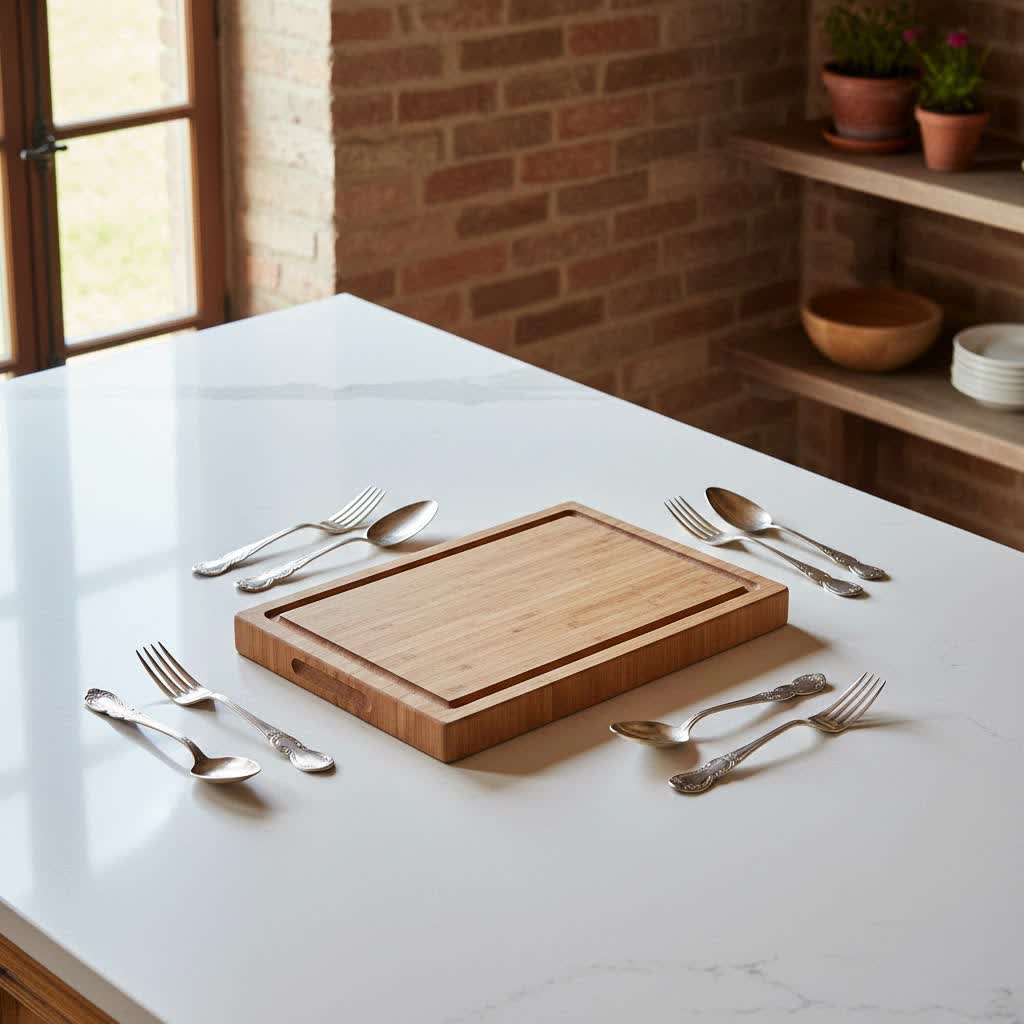
This comprehensive guide will explore the diverse world of cutting board materials, highlighting which options are truly non-toxic, gentle on your knives, easy to maintain, and kind to the planet. We’ll dive into the pros and cons of each, helping you navigate the choices so you can confidently select the perfect non-toxic cutting board to elevate your culinary journey and safeguard your well-being.
Common Types of Non-Toxic Cutting Boards
When aiming for a non-toxic kitchen, understanding the various cutting board materials is crucial. Each type offers a unique blend of benefits and considerations regarding safety, durability, and knife care.
Wood Cutting Boards
Solid wood cutting boards are a timeless classic, cherished by home cooks and professional chefs alike. Crafted from dense hardwoods like maple, walnut, cherry, teak, and acacia, they offer a naturally robust and aesthetically pleasing surface for food preparation.
- Pros: Wood is inherently gentle on knife edges, helping to maintain their sharpness over time. Hardwoods possess natural antimicrobial properties, which can help inhibit bacterial growth, making them a hygienic choice when properly cared for. They are incredibly durable, and with the right maintenance, a quality wood board can last for decades, developing a beautiful patina with age.
- Cons: Wood boards are porous, meaning they can absorb liquids if not sealed, and they require regular oiling with food-grade mineral oil or beeswax to prevent drying, warping, or cracking. They are not dishwasher safe and must be hand-washed immediately after use and thoroughly dried. A key concern for some wood boards, especially those made from smaller pieces, is the use of glues; always seek out solid wood boards or those certified to use food-safe, formaldehyde-free adhesives.
- Maintenance: To keep your wood board in prime condition, always hand wash with hot, soapy water and dry it immediately. Periodically, apply a food-grade oil or wax to nourish the wood and create a protective barrier against moisture.
|
Our Picks for the Best Cutting Board in 2026
As an Amazon Associate I earn from qualifying purchases.
|
||
| Num | Product | Action |
|---|---|---|
| 1 | Titanium Cutting Board for Kitchen, Cutting Board Double Sided Food Grade, Pure Titanium/PP, Easy to Clean Large Size 16”×11” |

|
| 2 | Keechee Bamboo Cutting Board, Durable Wood Cutting Boards for Kitchen with Deep Juice Grooves & Built-in Handles, Ideal Charcuterie & Chopping for Meat, Vegetables and Fruits Ideal Kitchen Gifts |
|
| 3 | Bamboo Cutting Boards for Kitchen [Set of 3] Wood Cutting Board for Chopping Meat, Vegetables, Fruits, Cheese, Knife Friendly Serving Tray with Handles |
|
| 4 | Acacia Wood Cutting Board with Handle, 16x8 Inch Large Kitchen Chopping Board for Meat and Cheese, Butcher Block Serving Tray for Charcuterie, Bread and Fruit |
|
| 5 | Bamboo Cutting Boards for Kitchen, Extra Large Wood Cutting Board with Deep Juice Groove and Handle Heavy Duty Chopping board, Kikcoin, 17.6" x 12" |
|
| 6 | Checkered Acacia Wood Cutting Board for Kitchen – Wooden Chopping Board, Durable Checkered Charcuterie Board for Meat, Fruit, Cheese & Vegetables, 16" x 11" x 1" |
|
| 7 | Bamboo Cutting Board for Kitchen Meal Prep & Serving, 3-Piece Wooden Set with Juice Grooves, Side Handles, Non-Slip Mats – Ideal for Meat, Veggies, Fruit – Ideal Gift for the Home |
|
| 8 | Extra Large Cutting Boards, Plastic Cutting Boards for Kitchen (Set of 3) Cutting Board Set Dishwasher Chopping Board with Juice Grooves Easy-Grip Handles, Dark Grey, Empune |
|
| 9 | Kikcoin Extra Large Bamboo Cutting Boards, (Set of 3) Chopping Boards with Juice Groove Bamboo Wood Cutting Board Set Butcher Block for Kitchen, End Grain Serving Tray |
|
| 10 | GORILLA GRIP BPA-Free Reversible Kitchen Cutting Board Set of 3, US Designed, Nonporous, Juice Grooves Catch Liquid, Slip Resistant Border, Dishwasher Safe, Durable Large Food Chopping Boards, Black |
|
Bamboo Cutting Boards
Bamboo has gained immense popularity as an eco-friendly alternative due to its rapid growth and renewable nature. It often presents an appealing, natural look and is readily available.
- Pros: As a fast-growing grass, bamboo is highly sustainable and naturally possesses antimicrobial properties, similar to wood. Many bamboo boards are also quite affordable, offering an accessible non-toxic option.
- Cons: Bamboo is considerably harder than most hardwoods, which can be less forgiving on your knife edges, potentially dulling them faster. A significant concern with many bamboo boards is their construction: they are frequently made by gluing together numerous strips of bamboo. If these adhesives are not food-grade or contain harmful chemicals like formaldehyde, they can pose a risk of leaching toxins into your food. It’s essential to look for boards explicitly labeled as using formaldehyde-free or food-safe glues. Like wood, bamboo boards are not dishwasher safe and require hand washing and drying.
- Maintenance: Treat bamboo boards similarly to wood: hand wash with mild soap and water, rinse, and dry thoroughly. Regular oiling can help prevent drying and cracking.
Plastic Cutting Boards (Why to Avoid)
Often seen as a convenient and cost-effective option, plastic cutting boards are widely used in many kitchens. However, they come with significant drawbacks that make them a less-than-ideal choice for a non-toxic environment.
- Why Avoid: The primary concern with plastic boards is the shedding of microplastics. Every time a knife cuts into the surface, tiny plastic particles can be released and potentially contaminate your food. Research suggests that chopping on plastic boards can introduce millions of microplastic particles into meals, posing unknown long-term health risks. Furthermore, many plastics contain harmful chemicals like BPA, phthalates, and PVC, which can leach into food, especially when scratched or exposed to heat. Deep knife grooves in plastic boards are also notorious for harboring bacteria, making thorough cleaning challenging and increasing the risk of cross-contamination. Some plastic boards are even treated with synthetic antibacterial agents like triclosan, which can disrupt hormones and contribute to antibiotic resistance.
- Recommendation: For a truly non-toxic kitchen, it is best to generally avoid plastic cutting boards. While some plastics like HDPE (High-Density Polyethylene) and PP (Polypropylene) are considered lower risk for chemical leaching, they still shed microplastics.
Stainless Steel & Titanium Cutting Boards
For those prioritizing ultimate hygiene and durability, stainless steel and titanium cutting boards offer a completely non-porous and inert surface.
- Pros: These metal boards are 100% non-toxic, meaning they won’t leach chemicals or shed particles into your food. They are exceptionally durable, resistant to stains, odors, and bacteria, making them incredibly hygienic and easy to clean. They are often dishwasher safe and ideal for preparing raw meats, poultry, and fish where cross-contamination is a high concern.
- Cons: The most notable drawback of metal cutting boards is their hardness, which can rapidly dull your knives. The “metal on metal” sensation can also be unpleasant for some users, and they can be noisy during chopping. They may also show scratches easily and can be slippery during food prep without non-slip feet. Titanium boards, while offering superior strength-to-weight ratio, are typically more expensive than stainless steel.
- Ideal Use: Best suited for tasks requiring extreme hygiene, such as handling raw protein, or for those who don’t mind frequent knife sharpening.
Glass Cutting Boards
Glass cutting boards are another non-toxic option known for their pristine, non-porous surface. They are typically made from tempered glass for increased durability.
- Pros: Glass is completely non-toxic, non-porous, and impervious to bacteria, odors, and stains. This makes them incredibly easy to clean and sanitize, often being dishwasher safe. Their inert nature means they won’t react with acidic foods or leach any chemicals.
- Cons: Like metal boards, glass is exceptionally hard and will dull your knives very quickly, making them impractical for regular chopping tasks. They can also be quite noisy and are prone to breaking if dropped. The slick surface can make knife control challenging, increasing the risk of slips.
- Recommendation: Glass cutting boards are generally not recommended for everyday food preparation where knives are involved. They are better suited for serving cheese or charcuterie, rolling dough, or as a protective surface, rather than for active chopping.
Natural Rubber Cutting Boards
Made from high-density natural rubber (often referred to as ‘epicurean’ style boards by some brands), these boards are gaining recognition for their impressive balance of features.
- Pros: High-density natural rubber is 100% non-toxic, incredibly gentle on knife edges, and naturally resistant to bacteria, odors, and liquids. These boards are durable, stable, and often have a non-skid surface, making them very safe for cutting. They are frequently found in professional kitchens due to their performance.
- Cons: Quality natural rubber boards can be more expensive upfront. It’s crucial to ensure you’re choosing a product made from 100% natural, food-grade rubber without any fillers, synthetic additives, or antimicrobial treatments. They usually require hand washing.
- Maintenance: Hand wash with warm soapy water and dry thoroughly. Avoid harsh chemicals or abrasive scrubbers.
Composite Cutting Boards
Composite cutting boards are made from a blend of materials, often including recycled paper, wood fibers, or other sustainable resources, bound together with food-grade resins.
- Pros: Many reputable composite boards are designed to be durable, non-porous, and resistant to cracking or staining. They can often be dishwasher safe, offering convenient cleaning. Look for brands that are transparent about their materials and glues, and ideally, those with certifications like NSF International. Some are made from recycled and renewable forest products, boosting their eco-friendly appeal.
- Cons: The specific composition varies widely, so it’s vital to verify that all glues and resins used are food-safe and non-toxic (e.g., formaldehyde-free). Some composite materials can also be harder on knives than traditional hardwoods, leading to faster dulling.
- Recommendation: When considering composite boards, research the brand’s commitment to non-toxic materials and look for independent certifications to ensure safety and quality.
Comparison of Non-Toxic Cutting Board Materials
Choosing the best non-toxic cutting board means weighing various factors. This table offers a quick comparison of the most popular safe options:
| Feature | Wood (Hardwood) | Bamboo (Quality) | Stainless Steel/Titanium | Glass (Tempered) | Natural Rubber | Composite (Certified) |
|---|---|---|---|---|---|---|
| Toxicity | Very Low | Low (if glues are safe) | Very Low | Very Low | Very Low | Very Low |
| Knife-Friendly | Excellent | Good-Fair | Poor | Very Poor | Excellent | Good-Fair |
| Hygiene/Clean | Good (with care) | Good (with care) | Excellent | Excellent | Excellent | Excellent |
| Durability | High | High | Very High | Medium (can break) | Very High | High |
| Maintenance | Oil, Hand Wash | Hand Wash | Dishwasher Safe | Dishwasher Safe | Hand Wash | Dishwasher Safe |
| Eco-Friendly | High (FSC Certified) | High (Sustainable) | High (Recyclable) | High (Recyclable) | Medium-High | High (Recycled/Renewable) |
| Price | Medium-High | Low-Medium | High | Low-Medium | High | Medium-High |
Buying Guide: Choosing Your Ideal Non-Toxic Cutting Board
Making an informed decision about your next cutting board can feel daunting with so many options. Here’s a guide to help you choose the best non-toxic board for your kitchen.
Determine Your Needs
Before diving into materials, consider how you’ll primarily use your cutting board.
- What will you chop? If you frequently prepare raw meats and poultry, prioritizing a highly hygienic and easy-to-sanitize material like stainless steel or a dedicated plastic-free board is wise to prevent cross-contamination. For everyday vegetables and fruits, knife-friendly wood or natural rubber might be paramount.
- Kitchen space and size: Evaluate your counter space and storage options. Larger boards are great for extensive meal prep but require ample storage. Smaller, lighter boards are convenient for quick tasks.
- Budget: Non-toxic cutting boards range in price. While some are a significant upfront investment, their longevity often makes them more cost-effective in the long run compared to cheaper, less durable, or potentially toxic alternatives.
Understand Materials & Finishes
The core of choosing a non-toxic board lies in its material and any treatments applied.
- Prioritize solid, natural materials: Opt for solid hardwoods (like maple, walnut, cherry), 100% natural rubber, or high-quality stainless steel and titanium. These materials are inherently less likely to leach chemicals.
- Scrutinize bamboo and composite boards: If considering bamboo, look for certifications or explicit statements that confirm the use of food-grade, formaldehyde-free glues. For composite boards, seek out brands known for transparency and third-party certifications (e.g., NSF International) to ensure safe, non-toxic components.
- Check finishes and sealants: For wood and bamboo boards, ensure they are finished with natural, food-grade oils (like mineral oil, linseed oil, or tung oil) or waxes (like beeswax). Avoid synthetic coatings, varnishes, or sealants that can chip, wear down, or contain volatile organic compounds (VOCs).
- Beware of “antibacterial” claims: Cutting boards marketed as “antibacterial” or “odor-control” often achieve these claims by incorporating chemical agents like triclosan, which are best avoided due to potential health and environmental concerns. Natural materials like wood and bamboo have their own inherent antimicrobial properties when properly cared for.
Consider Knife Care
The material of your cutting board directly impacts the lifespan and sharpness of your knives.
- For maximum knife longevity: Solid hardwoods (maple, cherry) and natural rubber are the top choices. Their relatively softer surfaces allow the knife edge to sink slightly into the material, reducing wear and keeping blades sharper for longer.
- Harder surfaces and sharpening: If you opt for harder materials like glass, stone, stainless steel, or titanium, be prepared for more frequent knife sharpening. These surfaces can quickly dull even the highest quality blades.
Brand Reputation & Certifications
Choosing a reputable brand can provide peace of mind regarding the safety and quality of your cutting board.
- Transparency is key: Look for brands that are open about their sourcing, manufacturing processes, and the exact materials and finishes used.
- Certifications: For wood, Forest Stewardship Council (FSC) certification indicates sustainably sourced timber. NSF International certification for composites ensures food safety and material quality.
Usage and Maintenance Tips for Non-Toxic Cutting Boards
Proper care is essential to extend the life of your non-toxic cutting board and maintain its hygienic qualities.
- Cleaning: Always hand wash your cutting board with hot, soapy water immediately after each use. Rinse thoroughly and dry upright or flat on a drying rack to allow air circulation. Never soak wood or bamboo boards, as this can lead to warping, cracking, or mold growth. For deeper cleaning on wood boards, a solution of one part white vinegar to four parts water can be effective.
- Sanitizing: For all boards, especially after preparing raw meat, a thorough wash is crucial. For non-porous boards (steel, glass, some composites), a diluted bleach solution (one tablespoon per gallon of water) can be used, followed by a thorough rinse. For wood and natural rubber, hot soapy water combined with a vinegar rinse is often sufficient due to their natural properties.
- Oiling (for wood and bamboo): To prevent drying, cracking, and to maintain their natural beauty, wood and bamboo boards require regular oiling. Apply a food-grade mineral oil, beeswax, or fractionated coconut oil generously, let it soak in for several hours (or overnight), then wipe off any excess. Do this monthly, or more frequently if the board appears dry.
- Storage: Store your cutting board in a dry, well-ventilated area, preferably upright to allow air to circulate around all sides. Avoid storing it flat in a damp area, which can encourage mold.
- Prevent cross-contamination: A fundamental food safety rule is to use separate cutting boards for raw meat, poultry, and fish, and another for ready-to-eat foods like fruits and vegetables. This prevents harmful bacteria from transferring between foods.
“Investing in a solid, naturally finished wood or rubber cutting board is a small change with a huge impact on your kitchen’s health and the longevity of your knives. It’s about cooking smarter, not harder.” – Admin, ReviewerPri.com
Conclusion
Choosing the best non-toxic cutting board is a proactive step toward a healthier and more sustainable kitchen. While the market offers a myriad of options, prioritizing materials that are free from harmful chemicals, microplastics, and synthetic additives is paramount. Solid hardwoods, natural rubber, and high-quality stainless steel or titanium stand out as superior choices, offering a blend of durability, hygiene, and knife-friendliness. By making an informed decision and committing to proper care, you not only protect your family’s health but also invest in a kitchen tool that will serve you reliably for years to come.
Which non-toxic cutting board will become the newest essential in your culinary journey?
Frequently Asked Questions
What makes a cutting board toxic?
Cutting boards can be toxic if they shed microplastics (common with plastic boards), contain harmful chemicals like BPA, phthalates, or formaldehyde in glues (often found in cheap bamboo or composite boards), or are treated with synthetic antibacterial agents like triclosan. These substances can leach into your food and pose health risks.
Are wooden cutting boards truly non-toxic?
Yes, solid hardwood cutting boards made from materials like maple, walnut, or cherry are generally considered non-toxic. Ensure they are made from a single piece of wood or use verified food-grade, formaldehyde-free glues and are finished with natural, food-safe oils or waxes to prevent chemical leaching into your ingredients.
Can I put a non-toxic cutting board in the dishwasher?
While some non-toxic materials like stainless steel, glass, and certain certified composites are dishwasher safe, many prefer hand-washing to preserve their longevity. Wood and natural rubber boards should never be put in the dishwasher, as the intense heat and prolonged moisture can cause warping, cracking, or deterioration of the material. Always check manufacturer instructions.
How often should I replace my cutting board?
The replacement frequency depends on the material and usage. Plastic boards, especially if deeply scratched, should be replaced regularly as they can harbor bacteria and shed microplastics. High-quality wood, natural rubber, stainless steel, and titanium boards can last many years, even decades, with proper care. Replace any board that shows deep cuts, cracks, or signs of mold that cannot be removed.
What type of cutting board is best for knives?
For optimal knife care and to preserve blade sharpness, solid hardwood (like maple or cherry) and natural rubber cutting boards are highly recommended. Their relatively softer surfaces allow the knife edge to sink slightly into the material, reducing wear and tear on your blades compared to harder surfaces like glass, stone, or metal.
