A quality cutting board isn’t just a kitchen tool; it’s the foundation of countless culinary creations, a steadfast partner in meal preparation. For many home cooks and professional chefs alike, the name “Boos Block” resonates with a promise of unparalleled quality, durability, and a heritage of craftsmanship. If you’ve ever wondered what makes these cutting boards a cornerstone in kitchens worldwide, you’re in the right place. This guide will walk you through everything you need to know about Boos Block cutting boards, helping you understand their unique appeal and how to choose and care for one that will serve you for decades to come.
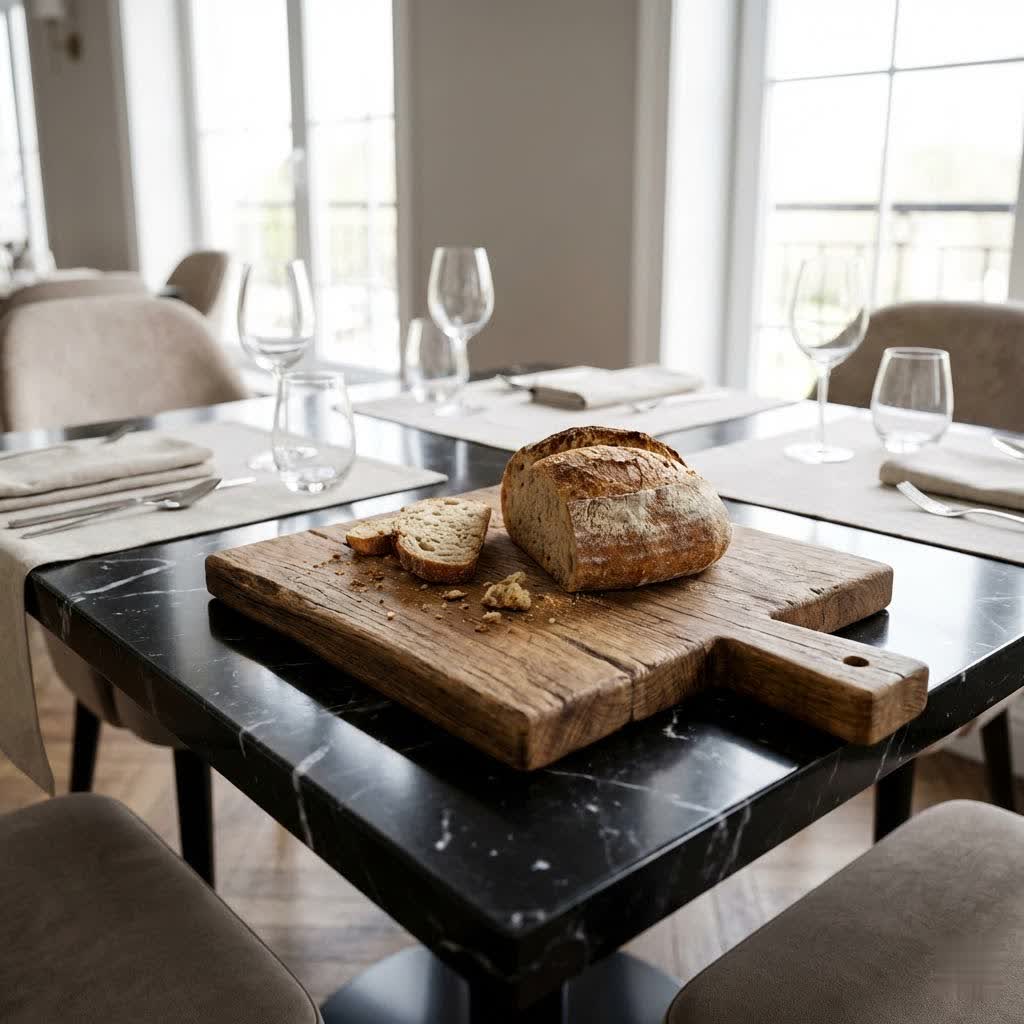
The Legacy of John Boos & Co.: Why Boos Block Stands Out
John Boos & Co. boasts a storied history dating back to 1887, establishing itself as the original American manufacturer of butcher blocks. This deep-rooted legacy translates into every product, embodying generations of expertise in woodworking. Far from being mass-produced, each Boos Block cutting board is handcrafted, a testament to meticulous attention to detail and a commitment to quality that has earned them a revered status in both professional and home kitchens. When you invest in a Boos Block, you’re not just buying a cutting surface; you’re acquiring a piece of culinary history, known for its robust construction and ability to withstand the rigors of daily use.
Understanding Boos Block Cutting Board Types
Boos Block offers a variety of cutting boards, each designed to meet different culinary needs and aesthetic preferences. The primary distinctions lie in the type of wood used and the way the wood grain is constructed.
Wood Varieties
The choice of wood significantly influences a board’s characteristics, from its hardness to its visual appeal.
- Maple: Often the most popular choice, hard rock maple is prized for its exceptional hardness and tight grain structure. This makes maple boards highly resistant to knife marks and incredibly durable, capable of enduring heavy use without showing significant wear. Its light color provides a clean, classic look.
- Walnut: For those who prefer a darker, richer aesthetic, walnut offers beautiful deep tones. While slightly softer than maple, walnut is still very durable and gentle on knife edges, adding a touch of elegance to any kitchen counter.
- Cherry: Cherry wood provides a distinct reddish-brown hue that deepens beautifully with age. It’s a moderately hard wood, offering a good balance between durability and knife-friendliness, and is cherished for its warm, inviting appearance.
- Teak: Known for its natural water resistance, teak is a durable option, though less commonly featured in Boos Block’s traditional butcher block style compared to maple or walnut. It’s an excellent choice for environments where moisture is a constant factor.
|
Our Picks for the Best Cutting Board in 2026
As an Amazon Associate I earn from qualifying purchases.
|
||
| Num | Product | Action |
|---|---|---|
| 1 | Bamboo Cutting Boards for Kitchen, Extra Large Wood Cutting Board with Deep Juice Groove and Handle Heavy Duty Chopping board, Kikcoin, 17.6" x 12" |

|
| 2 | Titanium Cutting Board for Kitchen, Cutting Board Double Sided Food Grade, Pure Titanium/PP, Easy to Clean Large Size 16”×11” |
|
| 3 | Extra Large Cutting Boards, Plastic Cutting Boards for Kitchen (Set of 3) Cutting Board Set Dishwasher Chopping Board with Juice Grooves Easy-Grip Handles, Dark Grey, Empune |
|
| 4 | Bamboo Cutting Board for Kitchen Meal Prep & Serving, 3-Piece Wooden Set with Juice Grooves, Side Handles, Non-Slip Mats – Ideal for Meat, Veggies, Fruit – Ideal Gift for the Home |
|
| 5 | Bamboo Cutting Boards for Kitchen [Set of 3] Wood Cutting Board for Chopping Meat, Vegetables, Fruits, Cheese, Knife Friendly Serving Tray with Handles |
|
| 6 | Acacia Wood Cutting Board with Handle, 16x8 Inch Large Kitchen Chopping Board for Meat and Cheese, Butcher Block Serving Tray for Charcuterie, Bread and Fruit |
|
| 7 | Keechee Bamboo Cutting Board, Durable Wood Cutting Boards for Kitchen with Deep Juice Grooves & Built-in Handles, Ideal Charcuterie & Chopping for Meat, Vegetables and Fruits Ideal Kitchen Gifts |
|
| 8 | Checkered Acacia Wood Cutting Board for Kitchen – Wooden Chopping Board, Durable Checkered Charcuterie Board for Meat, Fruit, Cheese & Vegetables, 16" x 11" x 1" |
|
| 9 | GORILLA GRIP BPA-Free Reversible Kitchen Cutting Board Set of 3, US Designed, Nonporous, Juice Grooves Catch Liquid, Slip Resistant Border, Dishwasher Safe, Durable Large Food Chopping Boards, Black |
|
| 10 | Kikcoin Extra Large Bamboo Cutting Boards, (Set of 3) Chopping Boards with Juice Groove Bamboo Wood Cutting Board Set Butcher Block for Kitchen, End Grain Serving Tray |
|
Grain Construction: End-Grain vs. Edge-Grain
The way wood pieces are arranged to form the cutting surface dramatically affects a board’s performance and longevity.
End-Grain
End-grain boards are constructed by gluing together individual blocks of wood so that the end fibers face upwards, creating a distinct checkerboard pattern. This construction method offers several key advantages:
- Knife-Friendly: When your knife strikes an end-grain surface, the blade slides between the wood fibers, rather than cutting across them. This action is much gentler on your knife edges, keeping them sharper for longer and reducing the need for frequent honing or sharpening.
- Self-Healing Properties: The vertical orientation of the wood fibers allows them to “close up” after a cut, making knife marks less visible over time. This contributes to the board’s longevity and maintains a smoother cutting surface.
- Hygiene: Research suggests that end-grain boards can be more hygienic than other types. Their porous structure can trap microbes away from the surface, making them less likely to transfer to food when properly cleaned.
- Aesthetics: The mosaic-like pattern of an end-grain board is often considered highly attractive, making it a beautiful centerpiece for any kitchen.
- Disadvantages: End-grain boards are typically more expensive due to the labor-intensive construction process. They also tend to be more absorbent, requiring more diligent and frequent oiling to prevent drying out, warping, or cracking.
Edge-Grain
Edge-grain boards are made by gluing long strips of wood together with the edges facing up, resulting in a more linear, striped pattern.
- Advantages: Edge-grain boards are generally more affordable and often quite durable. They offer a stable cutting surface and are less prone to warping compared to face-grain boards (which are made with the widest part of the wood plank facing up).
- Disadvantages: While sturdy, edge-grain boards are not as gentle on knives as end-grain. When you cut on an edge-grain surface, you’re slicing across the wood fibers, which can dull your knives faster. This also makes them more prone to visible knife marks, gashes, and grooves over time.
Boos Block vs. Other Cutting Board Materials
When considering a Boos Block, it’s helpful to understand how these premium wooden boards compare to other common cutting board materials.
Wood vs. Plastic
The debate between wood and plastic cutting boards has been ongoing, but recent findings highlight significant concerns with plastic.
- Plastic Boards: A 2024 study revealed that plastic cutting boards can be a “significant source of microplastics in human food.” Tiny plastic particles are released during chopping and can contaminate food or enter the environment. Plastic boards also tend to accumulate bacteria in knife gashes over time, despite being dishwasher-safe.
- Wood Boards: High-quality wooden boards like Boos Blocks do not release harmful microplastics. Moreover, wood naturally possesses antimicrobial properties, making it a safer and healthier choice for food preparation. With proper care, wood boards are exceptionally durable and can be easily sanitized.
Boos Block (Hardwood) vs. Bamboo/Teak/Acacia
While other wooden boards exist, Boos Blocks, typically made from hardwoods like maple or walnut, offer distinct advantages.
- Hardwoods (Maple, Walnut, Cherry): These woods are sturdy yet surprisingly gentle on knife blades. They contain less naturally occurring silica, which is known to dull knives more quickly. This means your knives will retain their sharpness for longer when used on a high-quality hardwood board.
- Bamboo/Teak/Acacia: These materials, while often more affordable, tend to be harder on knives due to higher silica content. They can lead to quicker dulling of blades and may show scratches more readily. While there are decent options in these categories, they generally don’t offer the same knife-preserving qualities as premium hardwoods.
The Essential Boos Block Care and Maintenance Guide
A Boos Block cutting board is an investment that, with proper care, can last a lifetime, even becoming a cherished heirloom. Neglecting its maintenance, however, can lead to drying, cracking, and warping.
Initial Seasoning for New Boards
Before its first use, a new Boos Block needs to be properly seasoned to hydrate the wood and create a protective barrier.
- Clean: Wipe down your new board with a damp cloth to remove any dust or debris from manufacturing.
- Oil Generously: Apply a liberal amount of food-safe mineral oil, such as Boos Block Mystery Oil, to all surfaces of the board, including the edges and sides. New boards are very thirsty and will absorb a significant amount of oil.
- Soak Overnight: Allow the oil to penetrate deeply into the wood fibers overnight (at least 12 hours). This is a crucial step that ensures thorough saturation.
- Wipe Excess: The next day, wipe off any excess oil with a clean, dry cloth.
Regular Oiling
Regular oiling is the most critical step in maintaining your Boos Block’s health and appearance.
- Frequency: For boards used daily, apply Boos Block Mystery Oil at least once a month. In dry climates or during winter months when indoor heating reduces humidity, you may need to oil every 2-3 weeks. A dry or dull appearance is a clear sign your board needs attention.
- Products: Always use food-safe mineral oil (like Boos Block Mystery Oil) and consider following up with Boos Block Board Cream, which contains natural beeswax, to seal the surface and provide an extra layer of protection against moisture and food liquids.
- Avoid Cooking Oils: NEVER use cooking oils (e.g., olive, vegetable, coconut, avocado oil) on your wood cutting board. These oils will eventually go rancid, causing unpleasant odors and potentially damaging the wood.
Daily Cleaning
After each use, clean your Boos Block immediately.
- Mild Soap & Water: Wash the board with hot, soapy water and a mild dish soap.
- Avoid Soaking: Do not soak your board in water or leave it submerged, as this can lead to warping, cracking, or splitting.
- Dry Thoroughly: Immediately dry the board with a clean towel after washing. To ensure complete air drying and prevent moisture buildup, stand the board on its edge or place it in a drying rack.
Deep Cleaning and Sanitization
While wood has natural antimicrobial properties, good hygiene practices are essential.
- Cross-Contamination: It’s a good habit to use separate cutting boards for different types of food. Dedicate one board for raw meats, poultry, or fish, and another for cooked foods, vegetables, and breads to prevent cross-contamination.
- Stains & Odors: For stubborn stains or odors, sprinkle coarse salt generously over the surface. Cut a lemon in half and use it to scrub the salt into the wood. Let it sit for 5-10 minutes, then rinse thoroughly and dry completely. Re-oil the board once it’s fully dry.
“The Do Nots”
To preserve your Boos Block:
- Do NOT soak it in water.
- Do NOT place it in the dishwasher.
- Do NOT expose it to extreme heat or cold.
- Do NOT use cooking oils for conditioning.
- Do NOT continuously cut on the same surface area; distribute your cutting to ensure even wear.
Choosing Your Perfect Boos Block Cutting Board (Buying Guide)
Selecting the right Boos Block is a personal decision based on your cooking style, kitchen space, and preferences.
Determine Your Needs
- Usage: Will you be primarily chopping vegetables, carving large roasts, or doing delicate pastry work? Consider if you need a board for general prep or specialized tasks.
- Size & Counter Space: Boos Blocks come in various sizes, from compact options to substantial butcher blocks. Measure your available counter space and storage to find a board that fits comfortably without overwhelming your kitchen. Remember, larger boards are heavier but offer greater stability.
- Budget: Boos Blocks are a premium product. Determine your budget, understanding that the investment reflects quality, durability, and the brand’s legacy.
Material and Grain Type
- Knife Longevity: If preserving your knife edges is a top priority, an end-grain board, particularly in maple or walnut, is highly recommended.
- Durability & Price: If budget is a key concern but you still want a durable wood board, an edge-grain maple board offers excellent value and resilience.
- Aesthetics: Consider the natural beauty of maple, walnut, or cherry and how it complements your kitchen decor.
Thickness and Weight
- Stability: Thicker boards provide superior stability during heavy chopping, preventing movement on your countertop.
- Portability: While heavy boards offer stability, they can be cumbersome to move and clean. Consider a board with finger grooves or a manageable weight if you plan to move it frequently. Many Boos Blocks are reversible, offering two usable sides, which can be beneficial for different tasks.
Investment Considerations
A Boos Block is more than a purchase; it’s an investment in your culinary future. With proper care, these boards are known to last for decades, often passed down through generations. The initial cost, while higher than average, is offset by its longevity, performance benefits (especially for your knives), and its role as a beautiful, functional piece of kitchen equipment. Many attest to the long-term value and heirloom quality that makes a Boos Block worth the expense.
Conclusion
A Boos Block cutting board stands as a testament to enduring quality and masterful craftsmanship, offering an unparalleled foundation for your culinary endeavors. From its superior durability and knife-friendly surfaces to its natural antimicrobial properties and aesthetic appeal, investing in a Boos Block elevates your kitchen experience. Remember that this premium tool thrives on consistent care—regular oiling and mindful cleaning are key to preserving its beauty and functionality for a lifetime. By choosing a Boos Block, you’re not just buying a cutting board; you’re embracing a legacy of excellence and bringing a piece of culinary artistry into your home.
Are you ready to transform your cooking experience with the legendary performance and beauty of a Boos Block?
Frequently Asked Questions
How often should I oil my Boos Block cutting board?
For daily use, you should oil your Boos Block cutting board at least once a month using food-safe mineral oil like Boos Block Mystery Oil. In dry climates or during winter, you might need to oil it every 2-3 weeks. The board will appear dry or dull when it needs re-oiling.
Can I put my Boos Block in the dishwasher?
No, you should absolutely never put your Boos Block cutting board in the dishwasher. The intense heat, harsh detergents, and prolonged exposure to water in a dishwasher will dry out the wood, causing it to warp, crack, or split, and can severely damage its integrity.
What’s the best way to clean a Boos Block after cutting raw meat?
After cutting raw meat, immediately wash your Boos Block with hot, soapy water and a mild dish soap. Dry it thoroughly with a clean towel and allow it to air dry completely on its edge. While wood has natural antimicrobial properties, it’s a good practice to designate a separate board for raw meats to prevent cross-contamination.
Is a Boos Block end-grain or edge-grain better for my knives?
End-grain Boos Blocks are generally considered better for your knives. Their vertical wood fibers allow knife blades to slide between them, which is gentler on the knife’s edge, keeping it sharper for longer. Edge-grain boards are more durable but can dull knives faster as the blade cuts across the fibers.
Are Boos Block cutting boards worth the price?
Many professional chefs and home cooks believe Boos Block cutting boards are worth the investment. Their exceptional durability, knife-preserving qualities, aesthetic appeal, and the fact they can last a lifetime with proper care make them a valuable, long-term asset in any kitchen, justifying their higher price point.
