Every home cook knows the struggle: a dull knife, a wobbling surface, or lingering odors that hint at past culinary adventures. The humble cutting board, often an afterthought, is arguably one of the most critical tools in your kitchen. It’s where the magic begins, transforming raw ingredients into delicious meals. But with an overwhelming array of materials, sizes, and styles on the market, how do you slice through the noise to find your ideal cutting companion? Drawing insights from extensive reviews and expert recommendations, including those often highlighted by Wirecutter, this guide will help you understand the nuances of different cutting board types, their care, and how to select the best one for your kitchen needs.
Popular Cutting Board Types
Choosing the right cutting board starts with understanding the diverse materials available, each offering unique advantages and disadvantages for your culinary tasks.
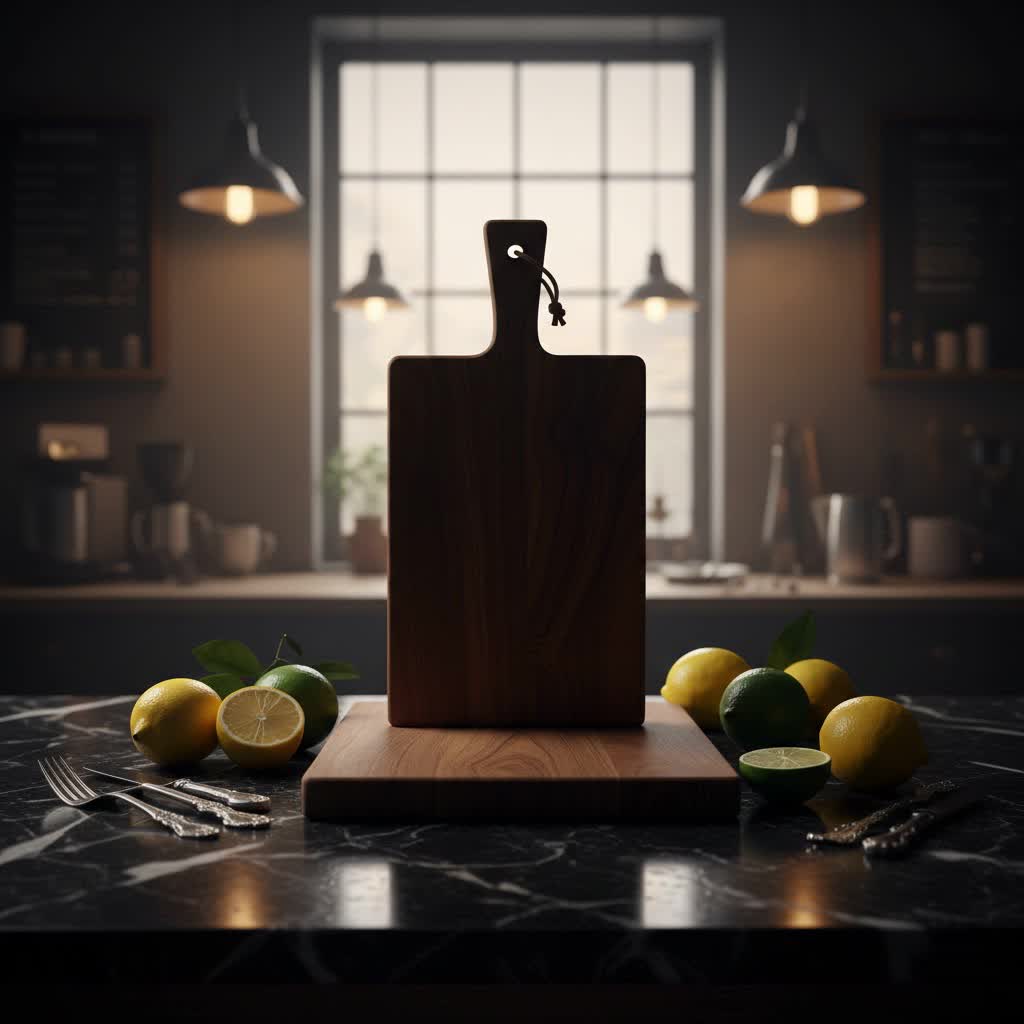
Wood Cutting Boards
Wood boards are cherished by many chefs for their natural beauty and gentle touch on knives. They are often seen as a classic choice, developing character and a rich patina over years of use.
- Pros: Wood is inherently durable and renowned for being kind to knife edges, helping them retain sharpness longer. Certain woods like maple and teak possess natural antibacterial properties, contributing to a more hygienic surface if properly maintained. Unlike plastic, wood boards can be sanded and re-oiled to remove deep cuts and restore their surface, extending their lifespan significantly.
- Cons: Wood boards demand more rigorous maintenance than some other materials. They are not dishwasher-safe and should never be submerged in water, as this can lead to warping or cracking. They require regular oiling to prevent drying out and splitting. In professional settings, there can be a concern about splintering, although this is less common with high-quality home boards.
- Common Wood Types:
- Maple: A favorite for its hardness and fine grain, providing excellent durability and a smooth cutting surface. John Boos boards, often praised by experts and Wirecutter, are frequently made from maple.
- Walnut: Known for its striking dark color and unique grain patterns, walnut is also a durable choice that is gentle on knives.
- Teak: This tropical hardwood is naturally resistant to moisture, making it less prone to warping and ideal for areas with high humidity. It also boasts natural antibacterial qualities.
- Hinoki: A Japanese cypress wood, Hinoki is lightweight, fast-drying, and naturally antibacterial, prized for its softness on delicate knife blades.
- Care and Maintenance for Wood Boards: Proper care is paramount for the longevity of your wood cutting board. Always hand-wash with warm, soapy water immediately after use, then rinse and dry thoroughly. Do not soak or put in the dishwasher. To prevent drying and cracking, regularly condition your board with food-grade mineral oil or a beeswax blend, applying generously and allowing it to soak in before wiping off any excess.
|
Our Picks for the Best Cutting Board in 2026
As an Amazon Associate I earn from qualifying purchases.
|
||
| Num | Product | Action |
|---|---|---|
| 1 | Bamboo Cutting Boards for Kitchen [Set of 3] Wood Cutting Board for Chopping Meat, Vegetables, Fruits, Cheese, Knife Friendly Serving Tray with Handles |
![Check Bamboo Cutting Boards for Kitchen [Set of 3] Wood Cutting Board for Chopping Meat, Vegetables, Fruits, Cheese, Knife Friendly Serving Tray with Handles on Amazon](https://reviewerpri.com/wp-content/plugins/amazon-tables/assets/images/buy.png)
|
| 2 | Keechee Bamboo Cutting Board, Durable Wood Cutting Boards for Kitchen with Deep Juice Grooves & Built-in Handles, Ideal Charcuterie & Chopping for Meat, Vegetables and Fruits Ideal Kitchen Gifts |
|
| 3 | Extra Large Cutting Boards, Plastic Cutting Boards for Kitchen (Set of 3) Cutting Board Set Dishwasher Chopping Board with Juice Grooves Easy-Grip Handles, Dark Grey, Empune |
|
| 4 | Checkered Acacia Wood Cutting Board for Kitchen – Wooden Chopping Board, Durable Checkered Charcuterie Board for Meat, Fruit, Cheese & Vegetables, 16" x 11" x 1" |
|
| 5 | Kikcoin Extra Large Bamboo Cutting Boards, (Set of 3) Chopping Boards with Juice Groove Bamboo Wood Cutting Board Set Butcher Block for Kitchen, End Grain Serving Tray |
|
| 6 | GORILLA GRIP BPA-Free Reversible Kitchen Cutting Board Set of 3, US Designed, Nonporous, Juice Grooves Catch Liquid, Slip Resistant Border, Dishwasher Safe, Durable Large Food Chopping Boards, Black |
|
| 7 | Acacia Wood Cutting Board with Handle, 16x8 Inch Large Kitchen Chopping Board for Meat and Cheese, Butcher Block Serving Tray for Charcuterie, Bread and Fruit |
|
| 8 | Titanium Cutting Board for Kitchen, Cutting Board Double Sided Food Grade, Pure Titanium/PP, Easy to Clean Large Size 16”×11” |
|
| 9 | Bamboo Cutting Boards for Kitchen, Extra Large Wood Cutting Board with Deep Juice Groove and Handle Heavy Duty Chopping board, Kikcoin, 17.6" x 12" |
|
| 10 | Bamboo Cutting Board for Kitchen Meal Prep & Serving, 3-Piece Wooden Set with Juice Grooves, Side Handles, Non-Slip Mats – Ideal for Meat, Veggies, Fruit – Ideal Gift for the Home |
|
Plastic Cutting Boards
Plastic cutting boards are a ubiquitous presence in modern kitchens, valued for their convenience and affordability. They are often lightweight and come in a variety of colors, making them suitable for color-coding to prevent cross-contamination.
- Pros: Plastic boards are generally lightweight and many are dishwasher-safe, offering a convenient cleaning solution for busy cooks. They are typically inexpensive, making them an accessible option for any budget. Their non-porous surface can, in theory, be thoroughly sanitized.
- Cons: A significant concern with plastic boards is their tendency to accumulate scratches and gouges, which can harbor bacteria even after washing. Recent studies have also highlighted that plastic cutting boards can be a “substantial source of microplastics in human food,” with tiny plastic particles potentially entering food as you chop. They also tend to dull knives faster than wood and need to be replaced periodically as they become too scarred.
- Common Plastic Types: High-density polyethylene (HDPE) and polypropylene (PP) are common choices for their durability and ease of cleaning.
- Using Plastic Boards: While convenient, plastic boards require diligent cleaning, especially after cutting raw meats, poultry, or fish. Consider replacing them when deep knife marks appear to minimize bacterial accumulation and potential microplastic transfer.
Bamboo Cutting Boards
Often presented as an eco-friendly alternative, bamboo cutting boards have gained popularity for their sustainable origins and appealing aesthetic. Bamboo is technically a grass, not wood, but it behaves similarly in cutting board applications.
- Pros: Bamboo is a highly sustainable and fast-growing resource, making it an environmentally conscious choice. It is known for its durability and hardness, offering a sturdy surface for chopping. Many find its lighter weight and sleek appearance attractive.
- Cons: Despite its eco-friendly nature, bamboo’s hardness can be a double-edged sword; it can be tougher on knife edges than softer woods, potentially dulling them more quickly. Like wood, bamboo boards are generally not dishwasher-safe and require careful hand-washing and drying to prevent warping. They also need proper upkeep to prevent drying and cracking.
- Care and Maintenance for Bamboo Boards: Hand-wash with mild soap and warm water. Dry immediately and thoroughly to prevent moisture absorption, which can lead to warping or cracking. Occasional oiling with mineral oil is recommended to maintain its integrity and appearance.
Glass Cutting Boards
Glass cutting boards offer a modern, sleek look and are exceptionally easy to clean, making them attractive for some kitchen aesthetics.
- Pros: Glass is non-porous, highly resistant to bacteria, and incredibly easy to wipe clean and sanitize. It can also withstand high temperatures, making it versatile for various kitchen tasks beyond just cutting.
- Cons: The primary drawback of glass boards is their extreme hardness, which is notoriously harsh on knife blades. According to Wirecutter, any material harder than your knife’s steel blade will dull it quickly, and glass falls firmly into this category. Chopping on glass can feel like working on concrete and will rapidly wear down even the sharpest knives. They are also prone to chipping or breaking if dropped.
- Using Glass Boards: While hygienic, glass boards are generally not recommended for regular chopping or slicing due to their detrimental effect on knives. They might be better suited for serving or as a temporary heat-resistant surface.
Comparison Table: Finding Your Match
Making an informed decision means weighing the key characteristics of each material against your personal cooking style and priorities. Here’s a comparative overview:
| Feature | Wood (Maple, Walnut, Teak) | Plastic (HDPE, PP) | Bamboo | Glass |
|---|---|---|---|---|
| Durability | High; can last decades with care | Moderate; eventually needs replacement | High; very sturdy | Moderate; prone to chipping/breaking |
| Knife Safety | Excellent; preserves blade sharpness | Fair; can dull knives over time | Good; but harder than some woods | Poor; severely dulls knives quickly |
| Hygiene | Good; natural antibacterial properties | Moderate; can harbor bacteria in scratches | Good; less porous than wood, but can scratch | Excellent; non-porous, easy to sanitize |
| Maintenance | Hand-wash, oiling required, no dishwasher | Dishwasher-safe (most), replace when scarred | Hand-wash, occasional oiling, no dishwasher | Dishwasher-safe, very easy to clean |
| Aesthetics | Excellent; natural, develops patina | Varies; can be colorful but utilitarian | Good; natural, modern look | Modern, sleek, but often transparent |
| Price | Mid to High (e.g., John Boos) | Low to Mid | Low to Mid | Low |
| Eco-Friendliness | Sustainable with FSC certification | Poor (microplastic concern) | Excellent; fast-growing, renewable | Poor (energy-intensive to produce) |
Recommendations Based on Need:
- For Everyday Home Cooks: Wood (maple or walnut) or quality plastic boards offer a versatile balance. Consider a wood board for general prep and a separate plastic board for raw meats if dishwasher sanitization is a priority.
- For Knife Enthusiasts: Wood boards are the undisputed champion, ensuring your expensive blades stay sharper longer.
- For Budget-Conscious Cooks: Plastic or bamboo boards provide cost-effective options, though mindful replacement or care is essential.
- For Hygiene Priority (e.g., allergens): Multiple boards of distinct colors (plastic) or dedicated wood boards, meticulously cleaned, are recommended. Stainless steel can also be considered for raw meats due to its ability to be thoroughly sanitized.
Your Essential Cutting Board Buying Guide
Navigating the multitude of choices requires a clear understanding of your personal cooking habits and kitchen environment.
Determine Your Usage Needs
Before diving into materials, consider how you’ll primarily use your cutting board. Do you frequently carve large roasts, needing a deep juice groove? Or are you mostly slicing fruits and vegetables, requiring a simple, flat surface?
- Food Type: Will you be using it for raw meats, vegetables, bread, or a combination? Having separate boards for raw ingredients and ready-to-eat foods is a best practice to prevent cross-contamination. Many experts, including food safety professionals, advise having at least three boards: one for raw meat, fish, or poultry; one for fruits and vegetables; and one for ready-to-eat foods.
- Size: Consider your counter space and storage availability. A larger board offers ample room for extensive meal prep but can be cumbersome to clean and store. Smaller boards are easier to handle but might feel restrictive for bigger tasks. Wirecutter often emphasizes that a heavier board stays put better during vigorous chopping.
- Budget: Cutting boards range widely in price. Determine a comfortable budget, keeping in mind that a higher initial investment in a quality wood board can often pay off in longevity and knife preservation.
Material Matters
The material of your cutting board significantly impacts its performance, durability, and how it interacts with your knives.
- Knife-Friendliness: Prioritize materials that are gentle on your knives. Wood and softer plastics are generally preferred over hard materials like glass, ceramic, or marble, which can dull blades rapidly.
- Hygiene & Safety: Look for materials that are easy to clean. For plastic, ensure it’s BPA-free. While plastic can harbor bacteria in scratches, wood also requires thorough cleaning. The choice often comes down to personal preference and diligent cleaning habits.
- Durability: Consider how long you want your board to last. High-quality wood boards can be heirlooms, while plastic boards will eventually need to be replaced due to knife scoring.
Brands and Pricing
While the “Wirecutter cutting board” often refers to a highly-rated, reliable option, there are several reputable brands worth considering.
- Trusted Brands: Wirecutter and other culinary experts frequently recommend brands like John Boos for their high-quality maple and walnut wood boards, known for exceptional durability and knife-friendliness. For plastic options, OXO Good Grips often receives praise for its practical and sturdy designs. Epicurean offers popular wood composite boards that are durable and dishwasher-safe.
- Price vs. Value: While budget-friendly options exist, investing in a high-quality cutting board, especially a good wood one, can be a wise long-term decision. A well-maintained board will protect your knives and enhance your cooking experience for years.
Usage and Care Essentials
Regardless of the board you choose, proper usage and meticulous care are crucial for its longevity and food safety.
- Immediate Cleaning: Always wash your cutting board immediately after each use, especially after preparing raw meat, poultry, or fish.
- Thorough Sanitization: Use warm, soapy water and a scrub brush or sponge, ensuring you remove all food residues. For plastic boards, dishwasher sanitization can be effective, though manual scrubbing is always a good practice. Wood boards should be washed by hand and thoroughly dried.
- Storage: Store boards upright or flat in a dry, well-ventilated area to prevent warping and mildew. Avoid storing them flat on a wet counter.
- Regular Conditioning (for wood/bamboo): Oil wood and bamboo boards regularly with food-grade mineral oil to prevent them from drying out, cracking, and to maintain their natural luster.
Conclusion
The right cutting board is more than just a kitchen surface; it’s an investment in your culinary efficiency, knife longevity, and food safety. Whether you lean towards the timeless elegance and knife-friendly nature of a sturdy wood board, the convenient sanitization of a modern plastic option, or the sustainable appeal of bamboo, understanding each material’s unique characteristics is key. By considering your specific cooking needs, prioritizing material quality, and committing to proper care, you can select a cutting board that not only meets the high standards often reviewed by Wirecutter but also becomes a cherished, reliable partner in your kitchen for years to come. What kind of culinary adventures will your perfect cutting board inspire?
Frequently Asked Questions
Are plastic cutting boards truly less hygienic than wood?
While plastic boards are often perceived as more hygienic due to being dishwasher-safe, studies suggest that deep scratches on plastic can harbor bacteria that are difficult to remove. Conversely, some wood types have natural antibacterial properties, and if properly cleaned and maintained, wood can be a safer option.
How often should I oil my wooden cutting board?
The frequency depends on how often you use and wash your board. As a general rule, aim to oil your wooden cutting board once a month, or whenever it starts to look dry and faded. Regular oiling prevents cracking and warping and helps maintain its protective barrier.
Can I use a glass cutting board for everyday cooking?
While glass cutting boards are easy to clean, they are generally not recommended for everyday use. Their extreme hardness can dull your knives very quickly, requiring more frequent sharpening and potentially damaging your blade edges over time. It’s better to reserve them for serving or non-cutting tasks.
