Choosing the right cutting board is a fundamental decision for any home chef, impacting not just your food preparation but also the longevity of your knives and the aesthetics of your kitchen. While countless options exist, from classic wood to modern plastic and eco-friendly bamboo, one type stands out for its captivating beauty and superior performance: the 3D cutting board. These aren’t just tools; they’re intricate pieces of culinary art, transforming your countertop into a gallery. This comprehensive guide will explore what makes 3D cutting boards so special, compare them to other popular types, and help you find the perfect slicing companion for your culinary adventures.
Understanding 3D Cutting Boards: Art Meets Functionality
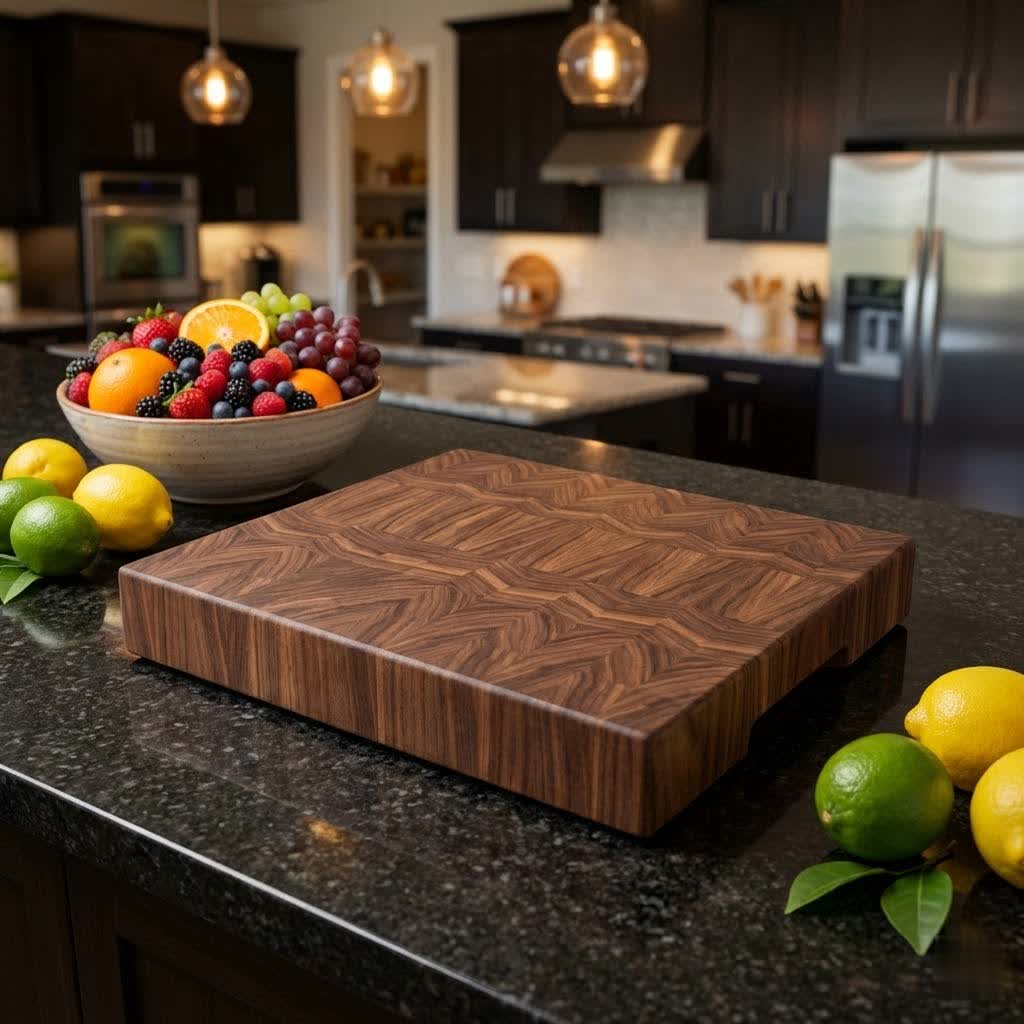
At first glance, a 3D cutting board might seem like a paradox—how can a flat surface appear three-dimensional? The magic lies in masterful woodworking and optical illusion. A “3D cutting board” refers to a type of wooden cutting board, almost exclusively end-grain, crafted with various contrasting wood species. These woods are precisely cut, angled, and meticulously glued together in specific patterns (often cubes or weaves) to create a stunning visual depth that tricks the eye into perceiving a three-dimensional effect.
This intricate design is a testament to the artisan’s skill, blending engineering precision with artistic vision. The process typically involves multiple rounds of cutting, gluing, and sanding different wood strips—such as dark walnut, lighter maple, warm cherry, and reddish sapele—to achieve the desired highlights and shadows that form the illusion. Beyond their striking appearance, 3D cutting boards inherit the significant benefits of end-grain construction, making them a premium choice for serious cooks.
Types of Cutting Boards: A Comprehensive Overview
To truly appreciate the artistry and functionality of a 3D cutting board, it’s helpful to understand how it stacks up against other common types. Each material offers distinct advantages and drawbacks, catering to different needs and preferences.
Wood Cutting Boards
Wood cutting boards are a timeless kitchen staple, celebrated for their natural beauty and knife-friendly surface.
- Pros:
- Gentle on Knives: Wood is softer than metal, preserving knife edges longer than harder materials.
- Aesthetic Appeal: Natural wood grains add warmth and elegance to any kitchen.
- Self-Healing (End-Grain): End-grain boards, common for 3D designs, allow knife cuts to go between fibers, making marks less visible and extending board life.
- Natural Antimicrobial Properties: Certain woods possess natural properties that inhibit bacterial growth.
- Cons:
- Requires Maintenance: Needs regular oiling and conditioning to prevent drying, warping, and cracking.
- Porous: Can absorb odors and stains if not properly cared for.
- Heavy: Especially larger, thicker end-grain boards can be cumbersome.
- Common Wood Types:
- Maple: Hard, dense, fine grain, and light color make it a popular choice. Excellent for end-grain designs.
- Walnut: Dark, rich color, durable, and naturally resistant to bacteria. Often used for contrast in 3D patterns.
- Cherry: Beautiful reddish-brown hue that deepens with age, moderately hard.
- Teak: Known for its high oil content, making it naturally water-resistant and durable, though can be harder on knives if not well-maintained.
- Sapele: A reddish-brown African hardwood, often used in 3D designs for its distinct color contrast.
- Care for Wood Cutting Boards: Wash immediately after use with mild soap and water, avoid soaking, dry thoroughly, and apply food-grade mineral oil monthly (or more often depending on use) to hydrate and protect the wood.
|
Our Picks for the Best Cutting Board in 2026
As an Amazon Associate I earn from qualifying purchases.
|
||
| Num | Product | Action |
|---|---|---|
| 1 | Bamboo Cutting Boards for Kitchen, Extra Large Wood Cutting Board with Deep Juice Groove and Handle Heavy Duty Chopping board, Kikcoin, 17.6" x 12" |

|
| 2 | Bamboo Cutting Boards for Kitchen [Set of 3] Wood Cutting Board for Chopping Meat, Vegetables, Fruits, Cheese, Knife Friendly Serving Tray with Handles |
|
| 3 | Keechee Bamboo Cutting Board, Durable Wood Cutting Boards for Kitchen with Deep Juice Grooves & Built-in Handles, Ideal Charcuterie & Chopping for Meat, Vegetables and Fruits Ideal Kitchen Gifts |
|
| 4 | Acacia Wood Cutting Board with Handle, 16x8 Inch Large Kitchen Chopping Board for Meat and Cheese, Butcher Block Serving Tray for Charcuterie, Bread and Fruit |
|
| 5 | Checkered Acacia Wood Cutting Board for Kitchen – Wooden Chopping Board, Durable Checkered Charcuterie Board for Meat, Fruit, Cheese & Vegetables, 16" x 11" x 1" |
|
| 6 | Titanium Cutting Board for Kitchen, Cutting Board Double Sided Food Grade, Pure Titanium/PP, Easy to Clean Large Size 16”×11” |
|
| 7 | Bamboo Cutting Board for Kitchen Meal Prep & Serving, 3-Piece Wooden Set with Juice Grooves, Side Handles, Non-Slip Mats – Ideal for Meat, Veggies, Fruit – Ideal Gift for the Home |
|
| 8 | Kikcoin Extra Large Bamboo Cutting Boards, (Set of 3) Chopping Boards with Juice Groove Bamboo Wood Cutting Board Set Butcher Block for Kitchen, End Grain Serving Tray |
|
| 9 | Extra Large Cutting Boards, Plastic Cutting Boards for Kitchen (Set of 3) Cutting Board Set Dishwasher Chopping Board with Juice Grooves Easy-Grip Handles, Dark Grey, Empune |
|
| 10 | GORILLA GRIP BPA-Free Reversible Kitchen Cutting Board Set of 3, US Designed, Nonporous, Juice Grooves Catch Liquid, Slip Resistant Border, Dishwasher Safe, Durable Large Food Chopping Boards, Black |
|
Plastic Cutting Boards
Plastic cutting boards are ubiquitous in modern kitchens due to their convenience and affordability.
- Pros:
- Lightweight and Portable: Easy to handle and store.
- Dishwasher Safe: Many plastic boards can be sanitized in a dishwasher, making cleanup convenient.
- Non-Porous (New): Initially non-porous, making them resistant to bacteria if properly maintained.
- Affordable: Generally less expensive than wood or bamboo.
- Cons:
- Harsh on Knives: Can dull knife blades faster than wood.
- Scratches Easily: Develop deep knife grooves over time, which can harbor bacteria and are difficult to clean.
- Less Durable: May warp or stain over time, requiring frequent replacement.
- Common Plastic Types:
- HDPE (High-Density Polyethylene): Durable, food-safe, and commonly used for restaurant-grade boards.
- PP (Polypropylene): Another food-safe plastic, often used for lighter-duty boards.
- Notes for Use: Replace frequently when deep grooves appear. For optimal hygiene, use separate boards for raw meat/poultry and produce.
Bamboo Cutting Boards
Often touted as an eco-friendly alternative, bamboo cutting boards offer a blend of wood-like aesthetics and practical benefits.
- Pros:
- Sustainable: Bamboo grows rapidly, making it a highly renewable resource.
- Hard and Durable: Denser than many woods, providing a sturdy cutting surface.
- Less Porous than Wood: Absorbs less moisture, making it somewhat more resistant to bacteria and odors.
- Cons:
- Can Be Hard on Knives: Its hardness, while durable, can dull knife edges more quickly than softer woods.
- Glue Concerns: Boards are often made from strips of bamboo glued together, so ensure food-safe adhesives are used.
- Maintenance Required: Similar to wood, requires oiling to prevent drying and cracking, though often less frequently.
- Care for Bamboo Cutting Boards: Hand wash with mild soap, dry immediately, and oil regularly with food-grade mineral oil.
Glass Cutting Boards
Glass cutting boards are primarily chosen for their decorative qualities and ease of cleaning, though they come with significant drawbacks for serious cooking.
- Pros:
- Highly Hygienic: Non-porous surface is easy to wipe clean and doesn’t harbor bacteria.
- Heat Resistant: Can double as trivets for hot pots and pans.
- Aesthetic Variety: Available in countless patterns and designs.
- Cons:
- Extremely Hard on Knives: The hardest surface, it will dull knife blades rapidly and can even chip them.
- Loud: Produces a jarring clanking sound when cutting.
- Slippery: Foods tend to slide around, making precise cutting challenging and potentially dangerous.
- Notes for Use: Best used for serving, protecting countertops, or light tasks like rolling dough, rather than daily cutting.
The Appeal of 3D Cutting Boards: Beyond the Illusion
While all cutting boards serve a fundamental purpose, 3D cutting boards offer a unique combination of advantages that elevate them above standard options. Their striking visual impact is just the beginning.
Firstly, their end-grain construction is a game-changer for knife longevity and board durability. Unlike edge-grain boards where knife blades cut across wood fibers, end-grain boards allow the blade to glide between the fibers. This “self-healing” action means fewer visible knife marks on the board and less wear and tear on your precious knife edges. Professional chefs often favor end-grain boards for this very reason.
Secondly, the aesthetic appeal is unparalleled. A 3D cutting board acts as a centerpiece, a conversation starter, and a true expression of craftsmanship in your kitchen. The intricate patterns, created by the careful selection and arrangement of woods like dark walnut, vibrant cherry, and light maple, add depth and sophistication. Imagine prepping a meal on a board that looks like a dynamic work of art.
Thirdly, these boards are often built to last. The meticulous glue-ups and solid wood construction result in a heavy, stable surface that won’t slide around during vigorous chopping. Many high-quality 3D boards also come with practical features like rubber feet for stability and finger grooves for easy lifting, enhancing the overall user experience. This blend of beauty, durability, and knife-friendliness makes them a worthwhile investment for any culinary enthusiast.
> “A 3D end-grain cutting board isn’t just a tool; it’s an heirloom. Its unique construction protects your blades and turns mundane prep work into an artistic experience.” – Chef Isabella Rossi, Culinary Academy Instructor
Comparison Table: 3D Wood vs. Other Types
Let’s break down how 3D end-grain wood cutting boards compare to other popular materials across key attributes.
| Feature | 3D End-Grain Wood Cutting Board | Plastic Cutting Board | Bamboo Cutting Board | Glass Cutting Board |
|---|---|---|---|---|
| Durability | Excellent (self-healing, long-lasting with care) | Fair (scratches, stains, warps over time) | Good (hard, dense) | Excellent (doesn’t scratch, chip easily) |
| Knife-Friendliness | Excellent (gentle, preserves edges) | Poor (dulls knives quickly) | Fair (hard, can dull knives) | Very Poor (severely dulls, chips knives) |
| Hygiene | Good (natural antimicrobial, requires meticulous cleaning) | Good (dishwasher safe when new, but deep grooves) | Good (less porous than wood, easy to clean) | Excellent (non-porous, easy to sanitize) |
| Aesthetics | Outstanding (artistic, unique 3D optical illusion) | Basic (functional, utilitarian) | Good (natural, warm appearance) | Varies (decorative, modern) |
| Maintenance | High (regular oiling, hand wash only) | Low (dishwasher safe, but needs replacing) | Moderate (regular oiling, hand wash only) | Low (dishwasher safe, wipe clean) |
| Cost | High (due to craftsmanship and material) | Low | Moderate | Low |
| Best For | Serious home cooks, knife enthusiasts, aesthetic kitchens | Everyday quick tasks, raw meat separation | Eco-conscious users, general use | Serving, countertop protection, decorative use |
Choosing Your Perfect Cutting Board: A Buyer’s Guide
Selecting the ideal cutting board, especially a specialized one like a 3D board, involves considering several factors to ensure it meets your specific culinary demands and lifestyle.
Determine Your Usage Needs
Before anything else, think about how you cook. Do you mostly chop vegetables, slice bread, or butcher large cuts of meat?
- Food Type: If you handle a lot of raw meats, a plastic board for sanitation or a dedicated 3D end-grain board for raw proteins (with strict cleaning protocols) might be considered. For vegetables, fruits, and general prep, any quality board works, but a 3D wood board offers superior performance.
- Frequency: For daily, heavy-duty use, the durability and knife-friendliness of an end-grain wood board (like a 3D design) are invaluable.
- Kitchen Space: Consider the dimensions. Large, thick 3D end-grain boards require ample counter space and storage.
Material Considerations
The material is paramount, directly influencing performance, hygiene, and knife care.
- Safety and Hygiene: While plastic can be dishwasher-sanitized, wood and bamboo, when properly maintained, also offer hygienic surfaces. Look for boards made with food-safe glues if they are composite.
- Knife Preservation: If you invest in high-quality knives, an end-grain wood board is the best choice to protect their edges. Avoid glass for cutting tasks.
- Aesthetics: If the look and feel of your kitchen are important, the artistic appeal of a 3D cutting board made from beautiful hardwoods is unmatched.
Brand Reputation and Value
Investigate reputable brands known for quality craftsmanship. While 3D cutting boards might have a higher initial cost, consider it an investment.
- Craftsmanship: Look for boards with seamless joints, smooth finishes, and a solid feel. The precision required for 3D patterns indicates a high level of skill.
- Reviews and Warranty: Check customer reviews and consider brands that offer warranties or guarantees on their products.
- Price vs. Value: A well-made 3D end-grain cutting board will last decades with proper care, potentially saving you money on knife sharpening and replacements in the long run.
Essential Usage and Maintenance Tips
Regardless of the board type, proper care ensures longevity and hygiene.
- Clean Immediately: Wash your cutting board with warm, soapy water after each use.
- Avoid Soaking: Never submerge wooden or bamboo boards in water, as this can lead to warping or cracking.
- Dry Thoroughly: Air dry or hand dry all boards completely before storing to prevent bacterial growth and moisture damage.
- Sanitize Regularly: For all types, a diluted bleach solution (1 tsp bleach per quart of water) or a vinegar solution can be used for sanitization, followed by rinsing.
- Condition Wood and Bamboo: Regularly apply food-grade mineral oil or a beeswax-mineral oil blend to keep wood and bamboo hydrated and protected. This is crucial for 3D cutting boards to maintain their luster and prevent drying.
Conclusion
The journey to finding the perfect cutting board is a personal one, but for those who value both exceptional performance and stunning visual appeal, the 3D cutting board stands in a class of its own. Its intricate end-grain construction not only creates a mesmerizing optical illusion but also provides a superior cutting surface that is gentle on your knives and incredibly durable. While requiring a bit more care than some alternatives, the investment in a 3D cutting board is an investment in culinary excellence and a beautiful kitchen aesthetic. Are you ready to transform your food prep with a piece of functional art?
Frequently Asked Questions
What makes a cutting board “3D”?
A “3D cutting board” creates an optical illusion of depth or a three-dimensional pattern, typically cubes or weaves, through the careful arrangement and gluing of different colored wood species (like walnut, maple, and cherry) in an end-grain construction. It’s about the visual design, not a physically sculpted shape.
Are 3D cutting boards better for your knives?
Yes, 3D cutting boards are almost exclusively end-grain. This construction allows knife blades to cut between the wood fibers, rather than directly across them, which helps to keep your knives sharper for longer and minimizes visible knife marks on the board itself.
How do I care for a 3D wood cutting board?
To care for a 3D wood cutting board, hand wash it immediately after use with mild soap and warm water, avoiding soaking. Dry it thoroughly and apply food-grade mineral oil or a beeswax-mineral oil conditioner monthly (or more often depending on usage) to keep the wood hydrated and prevent warping or cracking.
What wood types are best for 3D cutting boards?
The best wood types for 3D cutting boards are hardwoods like maple, walnut, cherry, and sapele. These woods offer varying colors and densities, which are essential for creating the striking visual contrast and depth required for the 3D optical illusion, while also providing a durable cutting surface.
Why are 3D cutting boards more expensive?
3D cutting boards are typically more expensive due to the intensive craftsmanship involved, including precise cuts at multiple angles, numerous glue-ups, and extensive sanding to create the complex optical illusion patterns. The use of high-quality, contrasting hardwoods also contributes to their premium price.
