Are you tired of your cutting board cluttering your kitchen or wish for a more elegant way to present your culinary creations? The humble cutting board, a cornerstone of any kitchen, has seen countless transformations over time. While rectangular boards remain a household staple, round cutting boards are quickly gaining popularity, offering a unique blend of functionality, aesthetics, and space-saving design. This comprehensive guide will explore everything you need to know about round cutting boards, helping you understand their distinct advantages, the best materials, and how to choose and care for the perfect one to elevate your cooking experience.
Exploring Popular Round Cutting Board Materials
The material of your round cutting board significantly impacts its performance, durability, and maintenance. Each option offers a unique set of characteristics, catering to different cooking styles and preferences.
Round Wood Cutting Boards
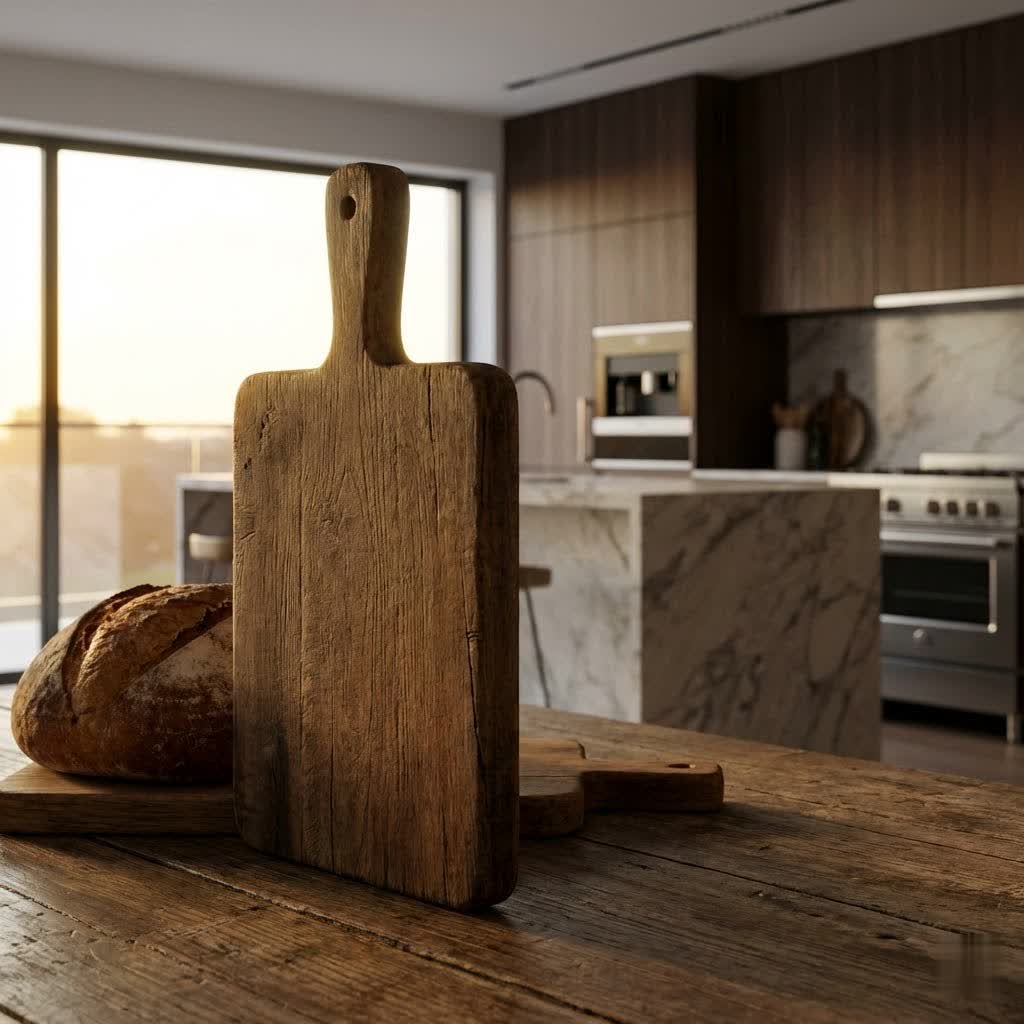
Wood is a classic choice for cutting boards, cherished for its natural beauty and knife-friendly surface. Round wood cutting boards bring a rustic elegance to any kitchen, often doubling as stunning serving platters.
- Advantages: Wooden boards are naturally porous, which can help inhibit bacterial growth as moisture is drawn away from the surface. They are gentle on knife blades, keeping them sharper for longer compared to harder materials. The aesthetic appeal of wood, with its varied grains and warm tones, is undeniable. For round boards, wood provides a substantial, stable feel.
- Disadvantages: Wood requires more maintenance than some other materials, needing regular oiling to prevent warping, cracking, and drying out. They are not dishwasher safe and should never be left to soak in water.
- Common Wood Types:
- Maple: A popular choice for its tight grain, durability, and smooth surface, making it resistant to deep knife marks.
- Walnut: Known for its rich, dark tones and elegant appearance, offering both beauty and resilience.
- Cherry: Features a warm, reddish hue and a finer grain, adding aesthetic charm.
- Acacia: Valued for its water resistance, durability, and natural antibacterial properties, often presenting beautiful grain patterns.
- Teak: A tropical hardwood rich in natural oils, making it highly resistant to moisture and decay.
- Care for Round Wood Boards: Regular oiling with food-grade mineral oil or board cream is crucial to maintain hydration, prevent cracks, and enhance hygiene. Hand wash immediately after use with mild soap and warm water, then dry thoroughly.
|
Our Picks for the Best Cutting Board in 2026
As an Amazon Associate I earn from qualifying purchases.
|
||
| Num | Product | Action |
|---|---|---|
| 1 | Checkered Acacia Wood Cutting Board for Kitchen – Wooden Chopping Board, Durable Checkered Charcuterie Board for Meat, Fruit, Cheese & Vegetables, 16" x 11" x 1" |

|
| 2 | GORILLA GRIP BPA-Free Reversible Kitchen Cutting Board Set of 3, US Designed, Nonporous, Juice Grooves Catch Liquid, Slip Resistant Border, Dishwasher Safe, Durable Large Food Chopping Boards, Black |
|
| 3 | Bamboo Cutting Board for Kitchen Meal Prep & Serving, 3-Piece Wooden Set with Juice Grooves, Side Handles, Non-Slip Mats – Ideal for Meat, Veggies, Fruit – Ideal Gift for the Home |
|
| 4 | Titanium Cutting Board for Kitchen, Cutting Board Double Sided Food Grade, Pure Titanium/PP, Easy to Clean Large Size 16”×11” |
|
| 5 | Keechee Bamboo Cutting Board, Durable Wood Cutting Boards for Kitchen with Deep Juice Grooves & Built-in Handles, Ideal Charcuterie & Chopping for Meat, Vegetables and Fruits Ideal Kitchen Gifts |
|
| 6 | Bamboo Cutting Boards for Kitchen [Set of 3] Wood Cutting Board for Chopping Meat, Vegetables, Fruits, Cheese, Knife Friendly Serving Tray with Handles |
|
| 7 | Acacia Wood Cutting Board with Handle, 16x8 Inch Large Kitchen Chopping Board for Meat and Cheese, Butcher Block Serving Tray for Charcuterie, Bread and Fruit |
|
| 8 | Bamboo Cutting Boards for Kitchen, Extra Large Wood Cutting Board with Deep Juice Groove and Handle Heavy Duty Chopping board, Kikcoin, 17.6" x 12" |
|
| 9 | Extra Large Cutting Boards, Plastic Cutting Boards for Kitchen (Set of 3) Cutting Board Set Dishwasher Chopping Board with Juice Grooves Easy-Grip Handles, Dark Grey, Empune |
|
| 10 | Kikcoin Extra Large Bamboo Cutting Boards, (Set of 3) Chopping Boards with Juice Groove Bamboo Wood Cutting Board Set Butcher Block for Kitchen, End Grain Serving Tray |
|
Round Plastic Cutting Boards
Plastic cutting boards are a common and practical choice, especially in busy kitchens due to their ease of cleaning and affordability.
- Advantages: Lightweight, highly affordable, and often dishwasher-safe, making cleanup quick and convenient. They come in a wide array of colors, allowing for color-coding to prevent cross-contamination (e.g., separate boards for raw meat and vegetables).
- Disadvantages: Plastic can scratch and develop deep grooves over time, which can harbor bacteria and be difficult to clean effectively. They may not be as aesthetically pleasing as wood and can be less stable on countertops if not equipped with non-slip feet.
- Types of Plastic: High-density polyethylene (HDPE) and polypropylene (PP) are common, known for their durability and food-safe properties. Ensure any plastic board is BPA-free.
- Usage Notes: While dishwasher-safe, regularly inspect plastic boards for deep cuts. Heavily grooved boards should be replaced to maintain hygiene standards.
Round Bamboo Cutting Boards
Bamboo offers an eco-friendly alternative to traditional wood, prized for its rapid renewability and unique appearance.
- Advantages: Bamboo is a sustainable and environmentally friendly resource, growing much faster than hardwood trees. It is lightweight, naturally antimicrobial, and often more affordable than many hardwoods.
- Disadvantages: Despite being a grass, bamboo can be quite hard and may dull knives faster than softer hardwoods like maple. Its glued construction can sometimes be prone to delamination if exposed to excessive moisture.
- Sustainability: Choosing bamboo supports sustainable practices, as it’s a rapidly renewable resource that requires minimal water and no pesticides to grow.
- Care for Round Bamboo Boards: Similar to wood, bamboo boards should be hand washed with mild soap and warm water, dried immediately, and never put in a dishwasher. Regular oiling helps maintain their integrity and appearance.
Round Glass Cutting Boards
Glass cutting boards stand out for their sleek, modern aesthetic and exceptional hygiene.
- Advantages: Non-porous surface makes them extremely easy to clean and highly resistant to bacteria, stains, and odors. They are often heat-resistant and can double as trivets. Their transparent or decorative designs can add a contemporary touch to your kitchen.
- Disadvantages: Glass is notoriously hard on knife blades, causing them to dull quickly. The hard surface can also be noisy during chopping and may feel less stable, especially without non-slip feet. There’s also a risk of breakage if dropped.
- Usage Notes: Best suited for serving, kneading dough, or light chopping tasks where knife dulling isn’t a major concern. Due to their hardness and potential for knife damage, they are generally not recommended for everyday heavy-duty chopping.
Round Cutting Boards: A Shape Comparison
While the classic rectangular cutting board dominates most kitchens, round cutting boards offer distinct advantages that make them a valuable addition, especially for specific tasks and kitchen aesthetics.
| Feature | Round Cutting Boards | Rectangular/Square Cutting Boards |
|---|---|---|
| Usable Surface Area | Limited, promotes rotational cutting | Maximizes space, ideal for large-volume prep |
| Space Efficiency | Fits well in corners or smaller, unconventional spaces | Aligns neatly with counters, easy to store in racks |
| Versatility | Excellent for serving (charcuterie, pizza), kneading dough, specific chopping tasks, decorative use. | Primarily for chopping and slicing, general-purpose. |
| Aesthetics | Unique, eye-catching, adds a decorative element. Ideal for presentation. | Practical, traditional, less visually striking. |
| Portability | Often lighter and easier to handle, especially with handles. | Can be heavy and cumbersome in larger sizes. |
| Knife-friendliness | Depends on material (wood/plastic generally better). | Depends on material. |
| Stability | Generally stable, especially with non-slip feet. | Very stable due to straight edges against counters. |
| Corner Durability | No corners to chip, inherently more resistant to corner damage. | Corners can chip or wear over time. |
Ideal Uses for Round Cutting Boards:
Round boards excel when used for serving cheese boards, charcuterie, pizzas, or appetizers, creating an inviting focal point on your table. Their shape is also advantageous for tasks requiring a rotational workflow, such as kneading dough, rolling out pastry, or repetitive chopping motions. For those with smaller kitchens or unique counter layouts, a round board can fit more efficiently than a bulky rectangular one. They are gaining popularity as versatile tools that blend seamlessly from prep to presentation.
Your Essential Round Cutting Board Buying Guide
Choosing the right round cutting board involves considering your specific culinary habits and kitchen environment. With so many options available, a thoughtful approach will ensure you invest in a board that meets your needs for years to come.
Determine Your Usage Needs
Before diving into materials and sizes, consider how you intend to use your round cutting board.
- Primary Function: Will it be predominantly for chopping vegetables and meats, or do you envision it more as a stylish serving platter for appetizers and cheeses? Many round boards offer dual functionality, but prioritizing one use can guide your choice.
- Size and Space: Measure your available counter space and storage areas. A medium-sized round board (around 14-16 inches in diameter) is often versatile for both chopping and serving. For lighter tasks or small kitchens, a smaller diameter might be more suitable, while larger ones can accommodate bigger preparations or serve as impressive centerpieces.
- Budget: Round cutting boards come in a wide price range depending on material, brand, and craftsmanship. Establish a budget to narrow down your options without compromising on quality for essential features.
Material Matters for Round Cutting Boards
The material choice is crucial for hygiene, knife maintenance, and overall experience.
- Safety First: Prioritize materials that are food-safe. For plastic boards, ensure they are BPA-free. Natural materials like wood and bamboo are generally safe, provided they are properly maintained.
- Antibacterial Properties: Wood and bamboo naturally possess antimicrobial qualities. If choosing plastic, consider dedicated boards for raw meats and produce to prevent cross-contamination. Glass and stone are non-porous and easy to sanitize.
- Knife Friendliness: If protecting your knives is a top priority, opt for wood (especially end-grain maple, walnut, or cherry) or softer plastics. Avoid glass and hard stone as they can rapidly dull blades.
- Ease of Cleaning: For quick and easy cleanup, plastic and glass are often winners due to their non-porous surfaces and (for plastic) dishwasher compatibility. Wood and bamboo require hand washing and diligent drying.
Features and Design Elements
Beyond material, certain design features can enhance the functionality and aesthetics of your round cutting board.
- Juice Grooves: If you frequently cut juicy fruits, vegetables, or meats, a board with a perimeter juice groove is invaluable for catching liquids and keeping your countertop clean. Many round wooden boards offer this feature.
- Integrated Handles: Handles, whether carved into the board or as metal accents, significantly improve portability, making it easier to transport the board from kitchen to table, especially when laden with food.
- Thickness: A thicker board (typically 1 to 1.5 inches) provides greater stability during chopping and is less prone to warping over time, ensuring a solid, durable work surface.
- Aesthetic Appeal: The round shape itself is a strong design statement. Consider how the material, finish, and any unique details (like end-grain patterns in wood) will complement your kitchen decor or table setting.
Brand and Value
While specific brand recommendations fall outside the scope of this guide, generally look for brands known for quality kitchenware. Read reviews and consider the manufacturer’s reputation for durability and customer service. Compare prices not just by initial cost, but by the long-term value offered through durability and performance, especially for higher-maintenance materials like wood. A slightly more expensive, well-made board can be a more economical choice in the long run than a cheaper one that needs frequent replacement.
Mastering the Care and Maintenance of Your Round Cutting Board
Proper care is essential to ensure the longevity, hygiene, and beauty of your round cutting board. Following these guidelines will keep your board in pristine condition, ready for countless meals and gatherings.
Daily Cleaning Routine
Immediate and thorough cleaning after each use is the cornerstone of cutting board maintenance, regardless of material.
- Scrape and Rinse: After use, scrape off any food residue with a bench scraper or the back of your knife. Rinse the board with warm water.
- Hand Wash: Use a mild dish soap and a soft sponge or brush to clean the surface. For wood and bamboo boards, avoid harsh scouring pads that can damage the grain.
- Dry Immediately: This is crucial, especially for wood and bamboo. Towel dry the board thoroughly and then allow it to air dry completely by standing it upright or on its side to ensure air circulation. Never leave wood or bamboo boards to soak in water, and avoid putting them in the dishwasher, as extreme heat and moisture can cause warping, cracking, or splitting. Plastic and glass boards, however, are typically dishwasher safe.
Deep Cleaning and Sanitizing
For a more thorough clean, or to tackle stubborn odors and stains, these methods are highly effective.
- Lemon and Salt Scrub (for wood/bamboo): Sprinkle coarse sea salt over the board’s surface. Cut a lemon in half and use its cut side to scrub the salt into the board. The salt acts as an abrasive, and the lemon juice’s acidity helps neutralize odors and naturally disinfect. Let it sit for 5-10 minutes, then rinse with warm water and dry.
- Vinegar Solution (for all materials): White vinegar is a natural disinfectant and deodorizer. Spray undiluted white vinegar directly onto the board or wipe it with a vinegar-soaked cloth. Let it sit for a few minutes before rinsing and drying. This is particularly effective for sanitizing boards after cutting raw meats.
- Baking Soda Paste (for all materials): For persistent odors or stains, mix baking soda with a little water to form a paste. Apply it to the affected area, let it sit for 10-15 minutes, then scrub, rinse, and dry.
Oiling and Conditioning (for Wood and Bamboo)
Regular oiling is vital for wood and bamboo boards to prevent them from drying out, cracking, and to create a protective barrier against moisture and bacteria.
- Choose the Right Oil: Use food-grade mineral oil or a specialized “board cream” that contains mineral oil and beeswax. Avoid cooking oils like olive or vegetable oil, as they can go rancid over time.
- Application: Ensure the board is clean and completely dry. Apply a generous amount of oil (or cream) to the entire surface, including the sides. Rub it in with a soft, clean cloth, following the grain of the wood.
- Soak Time: Allow the oil to soak into the wood for several hours, or ideally, overnight. Thirsty boards will absorb more.
- Wipe Excess: After soaking, wipe off any excess oil with a clean, dry cloth until the surface feels smooth and not sticky.
- Frequency: Oil your board every few weeks to once a month, or whenever it appears dry to the touch and water no longer beads on the surface.
Proper Storage
How you store your round cutting board also impacts its longevity.
- Dry and Ventilated: Always store your board in a dry, well-ventilated area.
- Upright Position: Store wood and bamboo boards upright (e.g., in a drying rack or leaning against a wall) to allow for even air circulation on all sides, which helps prevent warping. Avoid storing them flat on damp countertops.
> “A well-maintained round cutting board isn’t just a tool; it’s a statement piece that reflects care and passion in the kitchen.” – Admin, ReviewerPri.com
By adhering to these simple care routines, your round cutting board will remain a beautiful, hygienic, and functional part of your kitchen for many years, ready to assist in both everyday meal prep and special occasion serving.
Conclusion
Round cutting boards are far more than just a stylistic choice; they are a versatile and elegant addition to any kitchen, offering unique benefits that traditional shapes may not. From their space-saving design and aesthetic appeal to their functionality for specialized tasks like kneading dough or serving charcuterie, a round cutting board can truly enhance your culinary journey. By understanding the different materials available—be it the timeless elegance of wood, the practicality of plastic, the eco-friendliness of bamboo, or the hygiene of glass—and committing to proper care and maintenance, you can select a board that perfectly aligns with your needs and kitchen decor. Investing in a high-quality round cutting board is an investment in both efficiency and style, transforming everyday meal preparation into an enjoyable and beautiful experience.
Ready to embrace the circular revolution in your kitchen? What will be the first delicious creation you prepare or present on your new round cutting board?
Frequently Asked Questions
Why choose a round cutting board over a rectangular one?
Round cutting boards are often chosen for their aesthetic appeal, making them excellent serving platters for charcuterie, cheese, or pizza. They are also space-efficient for smaller kitchens or fitting into corners, and their shape facilitates a natural rotational workflow for certain prep tasks like kneading dough.
What is the best material for a round cutting board?
The “best” material depends on your priorities. Wood (like maple, walnut, or acacia) is popular for its knife-friendliness, durability, and natural antibacterial properties, though it requires more maintenance. Plastic is affordable and easy to clean (often dishwasher-safe), while bamboo is an eco-friendly choice. Glass is hygienic and decorative but can dull knives quickly.
Are round cutting boards difficult to store?
While rectangular boards might fit neatly into standard cabinet slots, many round cutting boards are designed to be space-efficient. They can often be stored vertically or leaned against a wall, and some even come with handles for hanging, making them easy to tuck away or display as kitchen decor.
How do I prevent my round wood cutting board from cracking or warping?
To prevent cracking and warping, never soak your wood cutting board in water or put it in the dishwasher. Hand wash it with mild soap, dry it immediately, and stand it upright to air dry. Regularly oiling it with food-grade mineral oil (every few weeks to once a month) is crucial to keep the wood hydrated and protected.
Can I use a round cutting board for cutting meat?
Yes, you can use a round cutting board for cutting meat, especially if it has a juice groove to contain liquids. For raw meats, it’s particularly important to choose a material that can be thoroughly sanitized (like plastic or a properly maintained wood board) and to clean it immediately and rigorously after use to prevent cross-contamination.
