Choosing the right cutting board is a fundamental decision for any kitchen, impacting not only your food preparation efficiency but also hygiene and knife longevity. While traditional options like wood have long been staples, the appeal of non-porous cutting boards has grown immensely due to their superior sanitation and ease of care. These innovative boards are designed to prevent the absorption of liquids and bacteria, offering a clean and safe surface for all your culinary endeavors. This comprehensive guide will delve into the world of non-porous cutting boards, exploring their benefits, various material types, and essential considerations to help you make the best choice for your healthy kitchen.
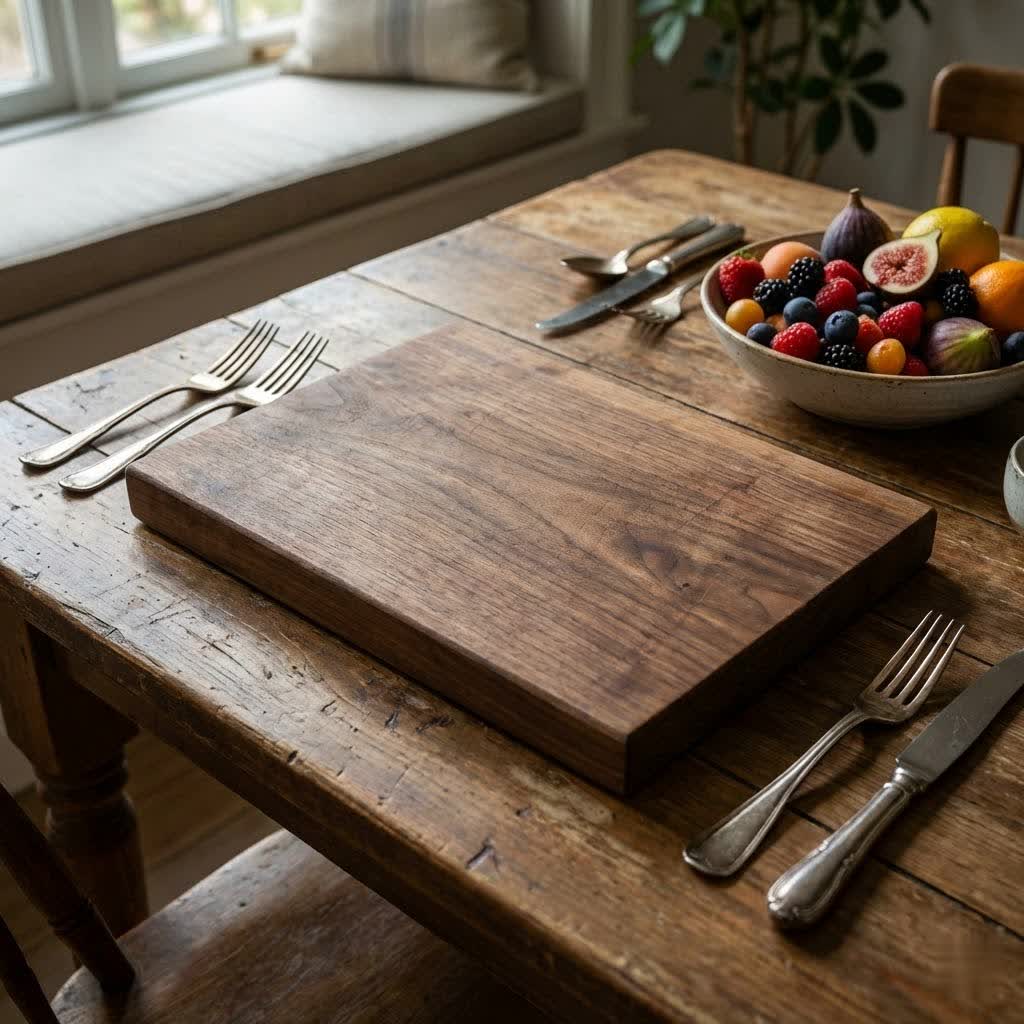
What Makes a Cutting Board Non-Porous?
A non-porous cutting board is crafted from materials with molecular structures that inherently resist liquid penetration. Unlike porous materials such as wood, which contain tiny holes or pores that can absorb juices, bacteria, and odors, non-porous surfaces remain impenetrable. This characteristic is crucial for food safety, as it prevents harmful microorganisms from lingering within the board’s surface and minimizes the risk of cross-contamination. This inherent resistance to moisture also makes these boards easier to clean and sanitize, contributing to a more hygienic food preparation environment.
Benefits of Non-Porous Cutting Boards
Non-porous cutting boards offer a wealth of advantages that make them a preferred choice for many home cooks and professional chefs alike.
- Superior Hygiene and Food Safety: The primary benefit of a non-porous surface is its resistance to bacterial absorption. Since liquids and food particles cannot seep into the material, bacteria are less likely to thrive, significantly reducing the risk of cross-contamination, especially when preparing raw meats, poultry, or seafood.
- Effortless Cleaning and Sanitation: Non-porous boards are remarkably easy to clean. Most can be simply washed with hot, soapy water and many are dishwasher-safe, allowing for thorough sanitization without special care. This low-maintenance aspect saves time and effort in a busy kitchen.
- Durability and Longevity: These boards often boast impressive durability, resisting deep cuts and scratches more effectively than their porous counterparts. This resilience ensures a longer lifespan for the board, making it a sustainable and economical investment over time.
- Odor and Stain Resistance: Because non-porous materials do not absorb liquids, they also resist retaining odors and stains from strong-smelling foods like garlic, onions, or raw fish. This keeps your board looking and smelling fresh.
Common Types of Cutting Board Materials
Cutting boards come in a wide array of materials, each with unique properties regarding porosity, durability, and impact on knife blades. Understanding these differences is key to selecting the ideal board for your kitchen.
Plastic Cutting Boards (Non-Porous)
|
Our Picks for the Best Cutting Board in 2026
As an Amazon Associate I earn from qualifying purchases.
|
||
| Num | Product | Action |
|---|---|---|
| 1 | Bamboo Cutting Boards for Kitchen, Extra Large Wood Cutting Board with Deep Juice Groove and Handle Heavy Duty Chopping board, Kikcoin, 17.6" x 12" |

|
| 2 | Bamboo Cutting Board for Kitchen Meal Prep & Serving, 3-Piece Wooden Set with Juice Grooves, Side Handles, Non-Slip Mats – Ideal for Meat, Veggies, Fruit – Ideal Gift for the Home |
|
| 3 | Acacia Wood Cutting Board with Handle, 16x8 Inch Large Kitchen Chopping Board for Meat and Cheese, Butcher Block Serving Tray for Charcuterie, Bread and Fruit |
|
| 4 | GORILLA GRIP BPA-Free Reversible Kitchen Cutting Board Set of 3, US Designed, Nonporous, Juice Grooves Catch Liquid, Slip Resistant Border, Dishwasher Safe, Durable Large Food Chopping Boards, Black |
|
| 5 | Keechee Bamboo Cutting Board, Durable Wood Cutting Boards for Kitchen with Deep Juice Grooves & Built-in Handles, Ideal Charcuterie & Chopping for Meat, Vegetables and Fruits Ideal Kitchen Gifts |
|
| 6 | Checkered Acacia Wood Cutting Board for Kitchen – Wooden Chopping Board, Durable Checkered Charcuterie Board for Meat, Fruit, Cheese & Vegetables, 16" x 11" x 1" |
|
| 7 | Titanium Cutting Board for Kitchen, Cutting Board Double Sided Food Grade, Pure Titanium/PP, Easy to Clean Large Size 16”×11” |
|
| 8 | Kikcoin Extra Large Bamboo Cutting Boards, (Set of 3) Chopping Boards with Juice Groove Bamboo Wood Cutting Board Set Butcher Block for Kitchen, End Grain Serving Tray |
|
| 9 | Bamboo Cutting Boards for Kitchen [Set of 3] Wood Cutting Board for Chopping Meat, Vegetables, Fruits, Cheese, Knife Friendly Serving Tray with Handles |
|
| 10 | Extra Large Cutting Boards, Plastic Cutting Boards for Kitchen (Set of 3) Cutting Board Set Dishwasher Chopping Board with Juice Grooves Easy-Grip Handles, Dark Grey, Empune |
|
Plastic cutting boards are a popular and affordable choice, often made from high-density polyethylene (HDPE) or polypropylene (PP). These materials are non-porous, making them easy to clean and often dishwasher-safe. Their lightweight nature and availability in various colors can help home cooks color-code boards for different food groups, further preventing cross-contamination.
However, plastic boards do have drawbacks. They can develop deep scratches and grooves over time, which, despite their non-porous nature, can harbor bacteria and become difficult to sanitize effectively. Furthermore, studies indicate that plastic boards can shed microplastics into food during cutting, posing potential health concerns. Thin plastic boards may also be prone to warping, especially in humid environments or when exposed to high heat.
Glass & Ceramic Cutting Boards (Non-Porous)
Glass and ceramic cutting boards are truly non-porous, hygienic, heat-resistant, and resistant to stains and odors. Their sleek appearance can also add a stylish touch to any kitchen. They are an excellent choice for raw meats and fish due to their impermeability.
The main disadvantage of glass and ceramic boards is their extreme hardness. They can rapidly dull and even damage knife blades, leading to more frequent sharpening. They are also prone to shattering or chipping if dropped, creating safety hazards. For these reasons, many culinary professionals do not recommend them for regular chopping tasks.
Stainless Steel & Titanium Cutting Boards (Non-Porous)
Stainless steel and titanium are durable, non-porous metals that are exceptionally hygienic and easy to sanitize. Titanium, in particular, is noted for being 100% non-porous, highly resistant to bacteria, and even gentle on knives, making it a premium non-toxic option that doesn’t require sealing or conditioning. Stainless steel is also very durable, but can be hard on knife blades and may show scratches more easily. Both metals are non-reactive and do not leach chemicals into food.
The primary downsides include the metallic sound and feel when cutting, which some users find unpleasant, and the potential for stainless steel to dull knives. Titanium boards are also generally more expensive.
Natural Rubber Cutting Boards (Non-Porous)
High-density natural rubber cutting boards are an excellent, often overlooked, non-porous option. These boards are non-toxic, highly resistant to bacteria, liquids, and odors, and are notably gentle on knife blades, helping to preserve their sharpness. Their natural non-skid surface also provides stability during use.
The main consideration for natural rubber boards is that they typically require hand washing, as most are not dishwasher-safe.
Stone (Granite & Marble) Cutting Boards (Porous if unsealed, otherwise non-porous)
Granite and marble cutting boards are visually appealing and can be resistant to bacteria growth and easy to clean, especially if properly sealed. Their cool surfaces are also ideal for pastry work.
However, stone boards are very hard on knives, causing them to dull quickly. They are also heavy and can be brittle, posing a risk of chipping or cracking if dropped. Unsealed natural stone can be somewhat porous, potentially absorbing liquids and odors. For safety and practicality, they are often better suited as serving boards rather than primary cutting surfaces.
Composite Cutting Boards (Non-Porous)
Composite cutting boards, often made from materials like paper composite and resin, are a relatively newer category that offers excellent non-porous properties. Brands like Epicurean use FSC-certified craft paper infused with food-grade resin, resulting in a durable, knife-friendly, and non-porous surface. They are typically dishwasher-safe and require less maintenance than wood or bamboo.
When choosing composite boards, it’s essential to look for reputable brands that use non-toxic, formaldehyde-free glues and resins, as some lower-quality composites might contain harmful chemicals.
Wood Cutting Boards (Porous)
While not strictly non-porous, wood cutting boards, particularly those made from dense hardwoods like maple, walnut, cherry, and teak, are highly regarded. Hardwoods have a tight grain that resists deep knife marks and can possess natural antimicrobial properties. End-grain wood boards are especially knife-friendly due to their “self-healing” quality, where knife blades slide between fibers rather than cutting across them.
However, wood is a porous material that absorbs moisture, necessitating regular oiling with food-grade mineral oil or other natural oils (like beeswax, linseed, or tung oil) to prevent warping, cracking, and to maintain sanitation. Wood boards are not dishwasher-safe and require immediate hand washing and drying. Some wood boards may also use glues that contain formaldehyde, so choosing single-slab boards or those with certified food-safe glues is important.
Bamboo Cutting Boards (Porous)
Bamboo, technically a grass, is another popular material for cutting boards, often praised for its sustainability and natural beauty. It is harder and less porous than many hardwoods and naturally resistant to water and stains.
Despite these benefits, bamboo is still porous and requires similar care to wood, including regular oiling, to prevent bacteria buildup and warping. Its hardness can also be tougher on knives than softer hardwoods. As with wood, be mindful of the adhesives used in multi-ply bamboo boards, opting for formaldehyde-free options.
Comparing Different Cutting Board Materials
| Feature | Plastic (HDPE) | Glass/Ceramic | Stainless Steel/Titanium | Natural Rubber | Stone (Sealed) | Composite | Wood (Hardwood) | Bamboo |
|---|---|---|---|---|---|---|---|---|
| Porosity | Non-Porous | Non-Porous | Non-Porous | Non-Porous | Non-Porous (if sealed) | Non-Porous | Porous | Porous |
| Hygiene | Very Good (if unscratched) | Excellent | Excellent | Excellent | Excellent | Excellent | Good (with proper care) | Good (with proper care) |
| Knife-Friendliness | Good | Poor (dulls/damages) | Poor (steel)/Good (titanium) | Excellent | Poor (dulls) | Very Good | Excellent (end-grain best) | Fair (harder than wood) |
| Durability | Moderate (scratches) | Moderate (breakable) | Excellent | Excellent | Excellent (brittle) | Excellent | Excellent (with care) | Very Good |
| Maintenance | Easy (dishwasher safe) | Easy (dishwasher safe) | Easy (dishwasher safe) | Hand wash | Easy (wipe clean) | Easy (dishwasher safe) | High (oiling, hand wash) | High (oiling, hand wash) |
| Cost | Low | Low-Moderate | High | Moderate-High | Moderate-High | Moderate | Moderate-High | Low-Moderate |
| Aesthetics | Functional | Sleek, Modern | Industrial | Minimalist | Elegant, Natural | Modern, Practical | Classic, Warm | Natural, Eco-friendly |
How to Choose the Right Non-Porous Cutting Board (Buying Guide)
Selecting the ideal cutting board involves weighing your specific needs against the properties of different materials. Consider these factors before making your purchase:
1. Determine Your Usage Needs
- What will you be cutting? If you frequently chop raw meat, poultry, or fish, a highly hygienic, easily sanitizable non-porous board is paramount to prevent cross-contamination. For fruits, vegetables, or bread, options with better knife-friendliness might be prioritized.
- What size do you need? Consider your kitchen counter space and the types of ingredients you typically prepare. A large board is great for carving roasts, while smaller ones are perfect for quick tasks.
- What is your budget? Prices vary significantly across materials and brands. Determine what you are willing to invest in a durable, safe, and long-lasting board.
2. Material Considerations
- Food Safety: Prioritize materials that are truly non-porous and easy to clean to minimize bacterial risk. Ensure plastic boards are BPA-free and avoid those that shed microplastics. Look for certifications that confirm materials are free from harmful chemicals.
- Knife Impact: If preserving your knife’s edge is a top priority, materials like natural rubber or certain composites are excellent choices. Harder surfaces like glass, ceramic, or stone will dull knives quickly.
- Ease of Cleaning: For maximum convenience, consider dishwasher-safe options like plastic (HDPE), glass, stainless steel, titanium, or composite boards. Remember that natural materials like wood and bamboo require hand washing and special care.
3. Brand and Price
- Reputable Brands: Invest in cutting boards from well-known brands that provide transparency about their materials, manufacturing processes, and certifications (e.g., FSC for wood/bamboo, NSF for food safety).
- Value for Money: A higher upfront cost for a durable, high-quality non-porous board can be a worthwhile investment, as it will last longer and provide better hygiene and performance, reducing the need for frequent replacements.
4. Usage and Maintenance Tips
Regardless of your choice, proper care is essential to extend the life of your cutting board and ensure food safety.
- Clean After Every Use: Wash all cutting boards with hot, soapy water after each use.
- Sanitize Regularly: Non-porous boards can often be run through a dishwasher. For a deeper clean, sanitize with a solution of one tablespoon of unscented, liquid chlorine bleach per gallon of water, or use a vinegar/hydrogen peroxide solution.
- Avoid Cross-Contamination: Use separate cutting boards for raw meats/poultry/seafood and ready-to-eat foods like vegetables, fruits, and bread. Color-coded plastic boards can assist with this.
- Store Properly: Store boards upright or in a dry, well-ventilated area to prevent moisture accumulation, which can lead to warping or bacterial growth.
- Replace Worn Boards: All cutting boards wear out eventually. Discard any board, regardless of material, that develops deep grooves, gouges, or cracks that cannot be cleaned or sanded away, as these can harbor bacteria.
“For optimum food safety, always use separate cutting boards for raw animal proteins and for produce or ready-to-eat foods. This simple practice is crucial, no matter what material your cutting board is made from.”
Conclusion
The evolution of kitchen tools offers a diverse range of cutting board materials, with non-porous options standing out for their exceptional hygiene and ease of maintenance. From the practicality of high-density plastic and composite boards to the elegant durability of titanium and natural rubber, there’s a non-porous solution to fit every culinary need. By understanding the unique advantages and considerations of each material, you can select a cutting board that not only streamlines your cooking process but also enhances the safety and sustainability of your kitchen.
Which non-porous cutting board material will you choose to elevate your kitchen’s hygiene and efficiency?
Frequently Asked Questions
What is the safest non-toxic cutting board material?
Many non-porous options like titanium, stainless steel, natural rubber, and high-quality composite boards are considered very safe due to their non-reactive, non-leaching properties and ease of cleaning. If you prefer wood, solid hardwoods without toxic glues or finishes are also a good choice.
Are plastic cutting boards truly non-porous?
Yes, many plastic cutting boards, especially those made from high-density polyethylene (HDPE), are considered non-porous, meaning they do not absorb liquids. However, deep scratches that develop over time can still create crevices where bacteria can hide, and some plastics may shed microplastics into food.
Can you put non-porous cutting boards in the dishwasher?
Most non-porous cutting boards made from plastic (HDPE), glass, stainless steel, titanium, or composite materials are dishwasher safe, allowing for convenient and thorough sanitization. However, natural materials like wood and bamboo should always be hand washed to prevent warping and cracking.
Do non-porous cutting boards dull knives faster?
The effect on knives varies by material. Hard non-porous surfaces like glass, ceramic, and stone will dull knives quickly. Stainless steel can also be tough on blades. However, materials like natural rubber and titanium are much more knife-friendly, helping to preserve your blade’s edge.
