Every home chef understands that a reliable cutting board is the unsung hero of the kitchen. It’s not just a surface for chopping; it’s a crucial tool that protects your countertops, safeguards your knives, and plays a vital role in food safety. But with a dizzying array of cutting board materials available, how do you choose the one that truly fits your culinary needs? From traditional wood to modern composites, each material offers a unique blend of benefits and drawbacks that can significantly impact your cooking experience. This comprehensive guide will explore the most popular cutting board materials, their characteristics, and essential tips to help you make an informed decision for your kitchen.
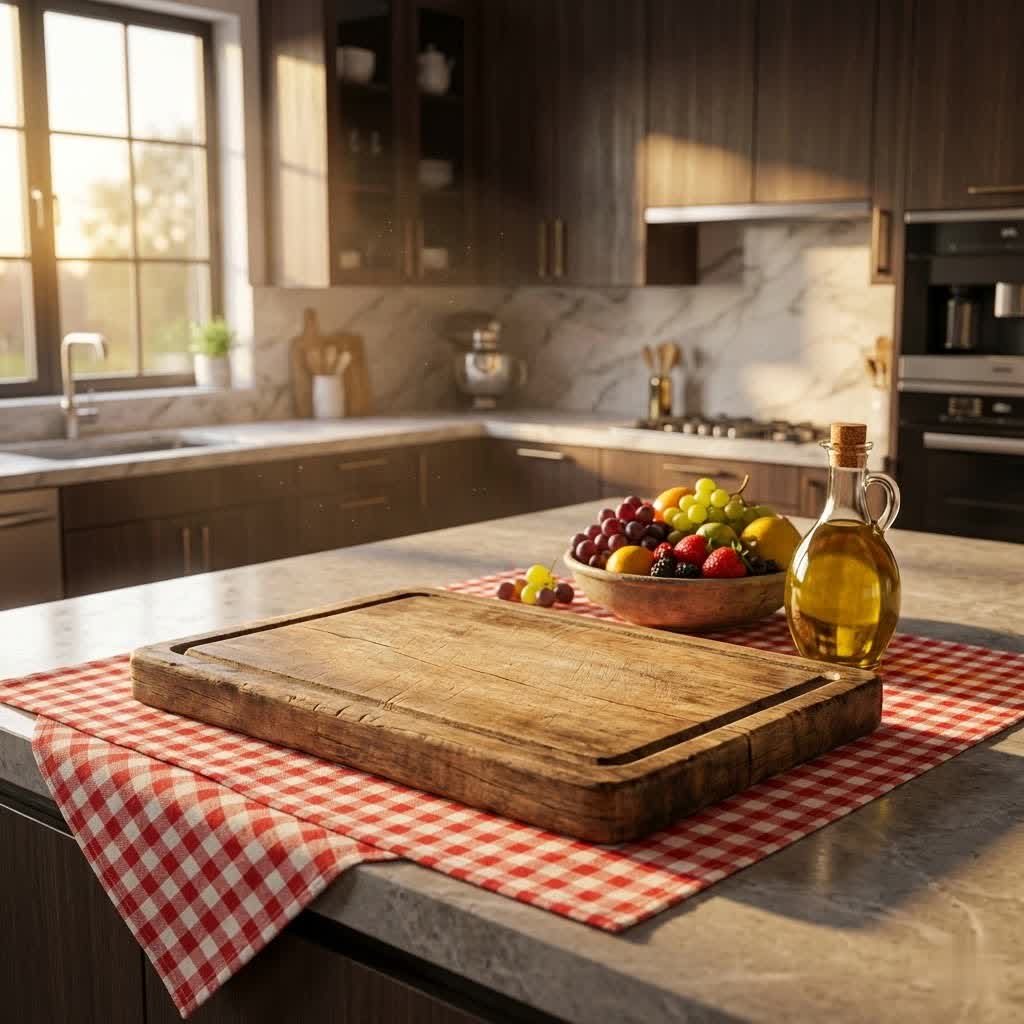
Common Cutting Board Materials
Understanding the properties of different cutting board materials is the first step toward finding your ideal kitchen companion. Each type offers distinct advantages in terms of durability, hygiene, and how it interacts with your precious knife blades.
Wood Cutting Boards
Why are wood cutting boards often considered the gold standard in kitchens worldwide? Wood boards are celebrated for their classic aesthetic, natural antimicrobial properties, and their unparalleled kindness to knife edges.
Advantages:
- Knife-Friendly: The fibrous surface of wood, particularly end-grain, allows knife blades to sink slightly into the grain, preserving sharpness longer than harder surfaces.
- Natural Antimicrobial Properties: Studies suggest that wood naturally inhibits bacterial growth, making it a surprisingly hygienic choice when properly maintained.
- Aesthetically Pleasing: Wood boards add warmth and natural beauty to any kitchen and can double as elegant serving platters.
- Durable & Long-lasting: With proper care, a high-quality wood board can last for many years, even decades, and can be sanded down to remove deep cuts and restore its surface.
Disadvantages:
- Requires Maintenance: Wood needs regular oiling with food-grade mineral oil to prevent drying, cracking, and warping, and it is not dishwasher safe.
- Porous: While naturally antimicrobial, deep cuts can still trap bacteria if not cleaned thoroughly, and wood can absorb odors and stains.
- Cost: Quality wood cutting boards, especially end-grain varieties, tend to be more expensive than other materials.
Common Wood Types:
- Maple: A popular choice known for its durability, dense grain, and resistance to moisture and bacteria, making it a premium and long-lasting option.
- Walnut: Prized for its rich, dark color and natural beauty, walnut is a softer wood that is exceptionally gentle on knives.
- Teak: Offers excellent water resistance due to its natural oils (tectoquinones), which also repel microbes. However, teak can be harder on knives due to its silica content.
- Cherry: An elegant option with a beautiful reddish hue, cherry is gentle on knives but can be more prone to showing scratches.
Grain Orientation:
The way wood is cut and assembled significantly impacts a board’s performance.
- End Grain: These boards are made from small blocks of wood with the grain oriented vertically, allowing knife blades to slide between the fibers. This “self-healing” property makes them extremely knife-friendly and resistant to visible knife marks. They are typically thicker, heavier, and more expensive.
- Edge Grain: Constructed from strips of wood laid side-by-side with the grain running horizontally. Edge-grain boards are durable and often more affordable but can be harder on knife edges and show knife marks more readily.
|
Our Picks for the Best Cutting Board in 2026
As an Amazon Associate I earn from qualifying purchases.
|
||
| Num | Product | Action |
|---|---|---|
| 1 | Keechee Bamboo Cutting Board, Durable Wood Cutting Boards for Kitchen with Deep Juice Grooves & Built-in Handles, Ideal Charcuterie & Chopping for Meat, Vegetables and Fruits Ideal Kitchen Gifts |

|
| 2 | Bamboo Cutting Board for Kitchen Meal Prep & Serving, 3-Piece Wooden Set with Juice Grooves, Side Handles, Non-Slip Mats – Ideal for Meat, Veggies, Fruit – Ideal Gift for the Home |
|
| 3 | Bamboo Cutting Boards for Kitchen [Set of 3] Wood Cutting Board for Chopping Meat, Vegetables, Fruits, Cheese, Knife Friendly Serving Tray with Handles |
|
| 4 | Extra Large Cutting Boards, Plastic Cutting Boards for Kitchen (Set of 3) Cutting Board Set Dishwasher Chopping Board with Juice Grooves Easy-Grip Handles, Dark Grey, Empune |
|
| 5 | Bamboo Cutting Boards for Kitchen, Extra Large Wood Cutting Board with Deep Juice Groove and Handle Heavy Duty Chopping board, Kikcoin, 17.6" x 12" |
|
| 6 | GORILLA GRIP BPA-Free Reversible Kitchen Cutting Board Set of 3, US Designed, Nonporous, Juice Grooves Catch Liquid, Slip Resistant Border, Dishwasher Safe, Durable Large Food Chopping Boards, Black |
|
| 7 | Titanium Cutting Board for Kitchen, Cutting Board Double Sided Food Grade, Pure Titanium/PP, Easy to Clean Large Size 16”×11” |
|
| 8 | Kikcoin Extra Large Bamboo Cutting Boards, (Set of 3) Chopping Boards with Juice Groove Bamboo Wood Cutting Board Set Butcher Block for Kitchen, End Grain Serving Tray |
|
| 9 | Checkered Acacia Wood Cutting Board for Kitchen – Wooden Chopping Board, Durable Checkered Charcuterie Board for Meat, Fruit, Cheese & Vegetables, 16" x 11" x 1" |
|
| 10 | Acacia Wood Cutting Board with Handle, 16x8 Inch Large Kitchen Chopping Board for Meat and Cheese, Butcher Block Serving Tray for Charcuterie, Bread and Fruit |
|
Care Tips for Wood Boards:
Always hand wash your wood cutting board with warm, soapy water immediately after use. Dry it thoroughly with a towel and allow it to air dry completely standing on its edge. Never soak a wood board or put it in the dishwasher, as this can cause warping and cracking. Regular oiling (monthly or when it appears dry) with food-grade mineral oil is essential to maintain its integrity and appearance. For sanitization, a salt and lemon rub can be effective.
Plastic Cutting Boards
Plastic cutting boards are ubiquitous in both home and professional kitchens, primarily due to their convenience and affordability.
Advantages:
- Affordable: Generally the most budget-friendly option, making them accessible for all kitchens.
- Lightweight & Easy to Handle: Easy to move around the kitchen and store.
- Easy to Clean & Sanitize: Many plastic boards are dishwasher safe, making sanitation straightforward, especially important for handling raw meats.
- Color-Coding: Available in various colors, allowing for easy color-coding to prevent cross-contamination (e.g., red for raw meat, green for vegetables).
Disadvantages:
- Can Dull Knives: While softer than glass, hard plastics can still dull knife edges faster than wood.
- Scratches & Grooves: Plastic surfaces easily accumulate deep knife cuts and grooves over time, which can harbor bacteria and are difficult to clean thoroughly.
- Microplastics: Worn plastic boards can shed microplastic particles into food.
- Warping: Thinner plastic boards can warp in humid environments or if exposed to high heat.
Common Plastic Types:
- HDPE (High-Density Polyethylene): A more durable and robust plastic, often preferred for commercial use due to its resilience and hygienic properties.
- PP (Polypropylene): Another common food-grade plastic, offering good durability and heat resistance.
Care Tips for Plastic Boards:
Wash plastic cutting boards with hot, soapy water after each use. For thorough sanitation, especially after cutting raw meat, they can often be run through a dishwasher on a hot cycle or sanitized with a diluted bleach solution. It’s crucial to replace plastic boards once they develop deep grooves, as these can become breeding grounds for bacteria and compromise food safety.
Bamboo Cutting Boards
Bamboo cutting boards have gained immense popularity as an eco-friendly and stylish alternative to traditional wood.
Advantages:
- Eco-Friendly & Sustainable: Bamboo is a rapidly renewable resource, growing much faster than traditional hardwoods.
- Water-Resistant: Bamboo is naturally more resistant to water absorption than many woods, helping to prevent warping.
- Durable: Denser and harder than many types of wood, bamboo boards are quite durable and resistant to knife marks.
- Cost-Effective: Often more affordable than premium wood boards.
Disadvantages:
- Harder on Knives: The density of bamboo, while contributing to its durability, can make it harder on knife edges compared to softer woods like maple or walnut, potentially dulling blades faster.
- Can Splinter: Some bamboo boards, particularly lower-quality ones, can be prone to splitting or delaminating over time.
- Requires Maintenance: Like wood, bamboo boards benefit from regular oiling to maintain their condition and prevent drying.
Care Tips for Bamboo Boards:
Hand wash bamboo boards with warm, soapy water and dry them immediately. Do not soak or put them in the dishwasher. Regular oiling with food-grade mineral oil will help extend their lifespan and prevent drying or cracking.
Glass Cutting Boards
Glass cutting boards offer a sleek, modern look and excellent hygiene, but come with significant drawbacks for serious cooks.
Advantages:
- Highly Hygienic: Glass is non-porous, meaning it won’t absorb liquids, odors, or harbor bacteria, making it incredibly easy to clean and sanitize.
- Heat-Resistant: Can often double as a trivet for hot pots and pans.
- Aesthetically Versatile: Available in various designs, colors, and patterns, making them appealing for serving.
Disadvantages:
- Extremely Hard on Knives: This is the most significant drawback. Glass is much harder than steel, causing knives to dull very quickly and even chip blades. Experts strongly advise against using glass for cutting.
- Slippery: Foods tend to slide easily on a glass surface, making precise cutting challenging and potentially dangerous.
- Prone to Breaking/Chipping: Glass can shatter or chip if dropped or subjected to heavy impact, posing a safety hazard.
- Loud: The sound of a knife on glass can be jarring and unpleasant.
Care Tips for Glass Boards:
Glass boards are effortless to clean, typically requiring just soap and water, and are usually dishwasher safe. However, due to their detrimental effect on knives, they are best reserved for serving or as a protective surface rather than for active chopping.
Cutting Board Material Comparison Chart
Choosing the right cutting board often involves balancing various factors. This chart provides a quick comparison to help you weigh the pros and cons of common materials.
| Feature | Wood (End Grain) | Plastic (HDPE) | Bamboo | Glass | Rubber (Professional) |
|---|---|---|---|---|---|
| Durability | Excellent, long-lasting | Good, but needs replacement when scarred | Very Good | Poor (can chip/break) | Excellent |
| Knife Friendliness | Excellent | Moderate | Moderate (can dull) | Very Poor (dulls/chips) | Excellent |
| Hygiene | Good (natural antimicrobial) | Excellent (when new, easy to sanitize) | Good | Excellent (non-porous) | Excellent (non-porous) |
| Ease of Cleaning | Moderate (hand wash) | Excellent (dishwasher safe) | Moderate (hand wash) | Excellent (dishwasher safe) | Excellent (easy to sanitize) |
| Maintenance | Regular oiling | Replace when scarred | Regular oiling | Minimal | Minimal (can be refinished) |
| Cost | High | Low | Moderate | Low | High |
| Aesthetics | High (natural beauty) | Low (utilitarian) | High (natural look) | Moderate (sleek) | Low (utilitarian) |
| Best For | General prep, knife enthusiasts | Raw meat, budget-conscious | Eco-friendly, general prep | Serving, protection (not cutting) | Professional kitchens, heavy use |
For most home cooks, a combination of boards often works best: a high-quality wood or rubber board for general prep and knife care, and a plastic board for raw meat and poultry due to its ease of sanitization.
How to Choose the Right Cutting Board: Your Buying Guide
Selecting the perfect cutting board goes beyond just picking a material; it involves considering your cooking habits, kitchen space, and priorities.
Determine Your Usage Needs
Before anything else, consider how you’ll primarily use your cutting board.
- Primary Purpose: Will you mostly be chopping vegetables, carving large roasts, preparing raw poultry, or a mix of everything? For raw meat, ease of sanitation is paramount. For daily vegetable prep, knife-friendliness is key.
- Size: Think about your available counter space and the scale of your cooking. A large board (e.g., 18×24 inches) is ideal for carving or meal prep, while smaller boards (e.g., 10×15 inches) are perfect for quick tasks or limited counter space.
- Budget: Cutting boards range from a few dollars to several hundred. Decide how much you’re willing to invest, considering that a high-quality board is a long-term investment.
Material Considerations
The material choice is crucial for both performance and longevity.
- Safety & Hygiene: For maximum food safety, materials like HDPE plastic and rubber are non-porous and easy to sanitize, especially when dealing with raw proteins. Wood, with its natural antimicrobial properties, is also a good choice if properly maintained and regularly cleaned. Always replace plastic boards when they show deep cuts, as these can harbor bacteria.
- Knife Preservation: If you invest in good knives, prioritize materials that are gentle on blades. Wood (especially end-grain) and high-quality rubber are excellent choices, allowing your knives to stay sharper for longer. Avoid ultra-hard surfaces like glass or stone at all costs for cutting.
- Ease of Cleaning: If dishwasher-safe convenience is a priority, certain plastic and glass boards fit the bill. However, wood and bamboo require hand washing.
- Sustainability: If environmental impact is a concern, bamboo is a rapidly renewable resource, and high-quality wood boards offer longevity, reducing waste.
Brand and Price
While it’s tempting to opt for the cheapest option, investing in a reputable brand can save you money and frustration in the long run.
- Trusted Brands: Companies like John Boos are renowned for their high-quality maple and walnut wood boards, while brands like OXO offer reliable plastic options.
- Value for Money: Consider the board’s lifespan. A durable, well-maintained wood board, though more expensive upfront, may outlast multiple cheaper plastic boards, offering better long-term value. Read reviews to ensure the product’s value matches its price point.
Usage and Maintenance Tips
Once you’ve chosen your cutting board, proper usage and maintenance are critical to ensure its longevity and food safety.
- Prevent Cross-Contamination: A golden rule in any kitchen is to use separate cutting boards for raw meats, poultry, and seafood, and for ready-to-eat foods like fruits, vegetables, and bread. Color-coded plastic boards can be helpful here.
- Immediate Cleaning: Always clean your cutting board immediately after use to prevent food particles from drying and bacteria from multiplying.
- Regular Sanitation: Sanitize plastic boards in the dishwasher or with a bleach solution. For wood and bamboo, a salt and lemon rub can help, along with thorough cleaning.
- Proper Storage: Store boards upright or in a dry, well-ventilated area to prevent warping and allow air circulation.
> “The best cutting board is the one you will actually use and maintain properly. Consistency in care is more important than any single material.” – Admin, ReviewerPri.com
Conclusion
Choosing the right cutting board materials is a foundational decision that impacts your kitchen efficiency, knife longevity, and most importantly, food safety. Whether you prefer the timeless elegance and knife-preserving qualities of an end-grain wood board, the convenient hygiene of a plastic board for raw proteins, or the sustainable appeal of bamboo, each material offers distinct advantages. By understanding these characteristics and aligning them with your personal cooking style and priorities, you can select the perfect kitchen companion that will serve you well for years to come. Ultimately, the ideal cutting board enhances your culinary experience, making every slice and dice a pleasure.
What kind of cutting board do you find indispensable in your kitchen, and why does it stand out for you?
