Do you find yourself battling a blizzard of crumbs every time you slice a fresh loaf of bread? Does your trusty bread knife dull faster than you’d like, or do your slices emerge uneven and squashed? As an expert with over a decade in the world of cutting boards, I understand these frustrations intimately. A dedicated bread cutting board isn’t just another kitchen gadget; it’s a game-changer that transforms your bread-slicing experience from a messy chore into a precise, enjoyable ritual. This guide will walk you through everything you need to know, from materials and features to care and maintenance, ensuring you choose a bread cutting board that truly meets your needs.
Exploring the Popular Types of Bread Cutting Boards
Choosing the right bread cutting board often starts with understanding the various materials available. Each comes with its own set of advantages and considerations, impacting durability, knife-friendliness, and overall performance.
Wooden Cutting Boards
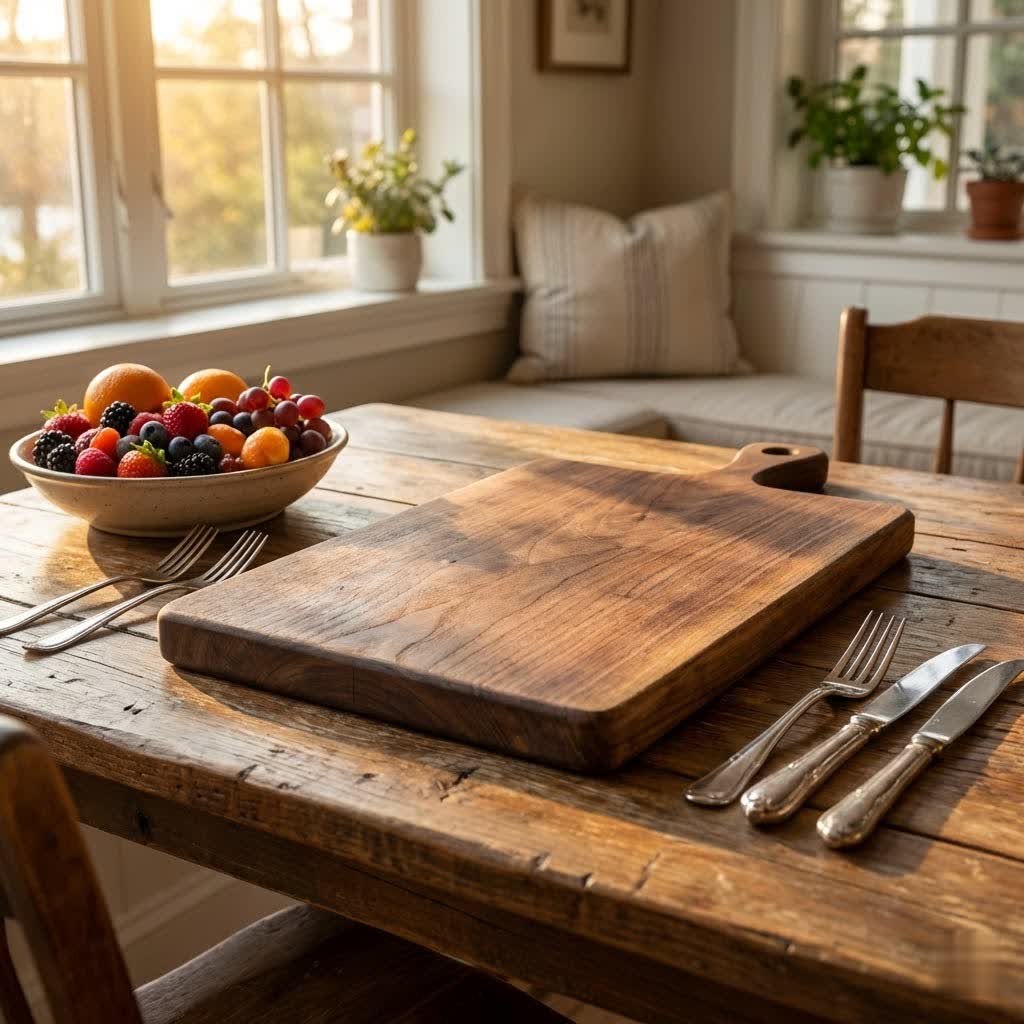
Wooden bread boards are a perennial favorite among culinary enthusiasts, and for good reason. They are renowned for their natural beauty, durability, and a surface that is gentle on knife blades, helping to maintain sharpness longer.
-
Pros: Knife-friendly, aesthetically pleasing, durable, often possess natural antibacterial properties. Many designs incorporate crumb-catching grooves.
-
Cons: Require regular oiling and conditioning to prevent warping and cracking. Not dishwasher-safe. Can be heavier than other materials.
-
Common Wood Types:
- Maple: Often considered the industry standard, hard rock maple is dense, strong, and highly resistant to knife marks. Its tight grain helps block bacteria and moisture, making it a hygienic choice.
- Walnut: Prized for its rich, dark tones and unique grain patterns, walnut is slightly softer than maple, which can be even gentler on knife edges. It’s also effective at hiding stains.
- Acacia: A hard and moisture-resistant wood, acacia offers a beautiful, varied grain. It’s a popular choice for its balance of hardness, durability, and aesthetic appeal.
- Cherry: With its distinctive reddish-brown color, cherry wood adds warmth to any kitchen. It’s softer than maple but still durable, providing a good surface for knives.
- Beech: A dense and robust hardwood, beech is known for its light color and fine grain. It’s a reliable option that stands up well to frequent use.
- Teak: While naturally oily and water-resistant, some debate its long-term impact on knife sharpness compared to other hardwoods. Ensure it’s sustainably sourced.
-
Care for Wooden Boards: Wooden boards thrive with proper care. Always hand wash with warm, soapy water and dry immediately. Regular oiling with food-grade mineral oil or board cream is essential to prevent drying, warping, and cracking.
|
Our Picks for the Best Cutting Board in 2026
As an Amazon Associate I earn from qualifying purchases.
|
||
| Num | Product | Action |
|---|---|---|
| 1 | Acacia Wood Cutting Board with Handle, 16x8 Inch Large Kitchen Chopping Board for Meat and Cheese, Butcher Block Serving Tray for Charcuterie, Bread and Fruit |

|
| 2 | Checkered Acacia Wood Cutting Board for Kitchen – Wooden Chopping Board, Durable Checkered Charcuterie Board for Meat, Fruit, Cheese & Vegetables, 16" x 11" x 1" |
|
| 3 | Kikcoin Extra Large Bamboo Cutting Boards, (Set of 3) Chopping Boards with Juice Groove Bamboo Wood Cutting Board Set Butcher Block for Kitchen, End Grain Serving Tray |
|
| 4 | Bamboo Cutting Board for Kitchen Meal Prep & Serving, 3-Piece Wooden Set with Juice Grooves, Side Handles, Non-Slip Mats – Ideal for Meat, Veggies, Fruit – Ideal Gift for the Home |
|
| 5 | Keechee Bamboo Cutting Board, Durable Wood Cutting Boards for Kitchen with Deep Juice Grooves & Built-in Handles, Ideal Charcuterie & Chopping for Meat, Vegetables and Fruits Ideal Kitchen Gifts |
|
| 6 | Titanium Cutting Board for Kitchen, Cutting Board Double Sided Food Grade, Pure Titanium/PP, Easy to Clean Large Size 16”×11” |
|
| 7 | Bamboo Cutting Boards for Kitchen [Set of 3] Wood Cutting Board for Chopping Meat, Vegetables, Fruits, Cheese, Knife Friendly Serving Tray with Handles |
|
| 8 | Bamboo Cutting Boards for Kitchen, Extra Large Wood Cutting Board with Deep Juice Groove and Handle Heavy Duty Chopping board, Kikcoin, 17.6" x 12" |
|
| 9 | GORILLA GRIP BPA-Free Reversible Kitchen Cutting Board Set of 3, US Designed, Nonporous, Juice Grooves Catch Liquid, Slip Resistant Border, Dishwasher Safe, Durable Large Food Chopping Boards, Black |
|
| 10 | Extra Large Cutting Boards, Plastic Cutting Boards for Kitchen (Set of 3) Cutting Board Set Dishwasher Chopping Board with Juice Grooves Easy-Grip Handles, Dark Grey, Empune |
|
Plastic Cutting Boards
Plastic cutting boards are a common sight in many kitchens, often chosen for their affordability and ease of cleaning.
-
Pros: Lightweight, often dishwasher-safe (depending on type), generally inexpensive.
-
Cons: Can be very harsh on knife blades, leading to faster dulling. Deep knife grooves can harbor bacteria over time, necessitating frequent replacement. Lacks the aesthetic appeal of wood. Typically do not feature crumb-catching designs tailored for bread.
-
Common Plastic Types: High-Density Polyethylene (HDPE) and Polypropylene (PP) are common, known for their durability and resistance to moisture.
-
Usage Notes: If using plastic for bread, opt for a larger, sturdy board. Be diligent about replacing it when excessive knife marks appear to avoid bacterial buildup.
Bamboo Cutting Boards
Bamboo offers an eco-friendly alternative to traditional wood, growing rapidly and requiring minimal resources.
-
Pros: Sustainable, lightweight, durable, and often more affordable than hardwood boards. Many designs include attractive finishes.
-
Cons: While durable, bamboo is a grass, not a wood, and its hardness can sometimes be less forgiving on knife edges compared to softer hardwoods like maple or walnut. Can be prone to splintering if not well-maintained.
-
Sustainability & Care: Bamboo is celebrated for its environmental benefits. Like wooden boards, hand washing and periodic oiling are crucial for longevity.
Glass Cutting Boards
Glass cutting boards are largely chosen for their unique aesthetic and extreme resistance to heat and stains.
-
Pros: Non-porous, highly resistant to heat, stains, and odors. Very easy to clean and sanitize.
-
Cons: Extremely hard on knife blades, causing rapid dulling. Can be slippery and loud during use. Not recommended for daily cutting tasks, especially bread.
-
Usage Notes: While hygienic and decorative, glass boards are universally advised against for any slicing that involves a sharp knife due to the damage they inflict on blades.
A Comparative Look: Choosing Your Ideal Bread Cutting Board
When selecting a bread cutting board, it’s helpful to weigh the characteristics of each material against your priorities.
| Feature | Wooden Boards | Plastic Boards | Bamboo Boards | Glass Boards |
|---|---|---|---|---|
| Durability | Excellent, long-lasting with proper care | Good, but degrade with knife cuts, require replacement | Good, durable, sustainable | Excellent, resistant to wear, stains, heat |
| Knife-Friendliness | Excellent, preserves blade sharpness (especially end-grain) | Poor, dulls knives quickly | Fair to Good, can be harder on knives than wood | Extremely Poor, dulls knives very quickly |
| Antibacterial Props. | Natural properties in certain woods | Requires thorough cleaning/replacement | Natural properties | Hygienic due to non-porous surface |
| Ease of Cleaning | Hand wash, dry immediately | Easy (many are dishwasher-safe) | Hand wash, dry immediately | Very easy, dishwasher-safe |
| Aesthetics | High, natural beauty, rustic charm | Low, utilitarian | High, distinct grain, modern appeal | High, sleek, modern, decorative |
| Crumb Containment | Often designed with grooves/trays | Rare, general purpose | Often designed with grooves/trays | Rare, general purpose |
| Price | Moderate to High | Low | Low to Moderate | Low to Moderate |
Recommendations:
- For the everyday baker and home cook: A high-quality wooden bread board, particularly maple or walnut, with integrated crumb-catching features, offers the best balance of knife protection, hygiene, and aesthetic appeal.
- For environmentally conscious buyers: A well-made bamboo board with crumb grooves can be a great option, offering durability and sustainability.
- For those prioritizing sanitation and budget (with knife compromise): While not ideal for bread knives, plastic can serve as a temporary or secondary board, especially for sticky doughs. However, it requires frequent replacement.
Your Ultimate Buying Guide: Selecting the Perfect Bread Cutting Board
Choosing the right bread cutting board involves more than just picking a material; it’s about aligning the board’s features with your culinary habits and kitchen environment.
1. Determine Your Usage Needs
Before diving into materials, consider how you’ll use your board:
- Dedicated Bread Board vs. Multi-Purpose: Are you looking for a board solely for slicing bread, or one that can also handle cheeses, charcuterie, or even some vegetables? Dedicated bread boards excel in crumb management and knife protection.
- Size Matters: Think about the types of bread you typically buy or bake. A long, narrow board is ideal for baguettes, while a wider board provides ample space for round artisan loaves and large sandwich breads. Ensure it fits your counter space and can be stored easily.
- Budget: Bread boards range in price. Set a realistic budget, but remember that investing in a quality board often means better durability and knife care in the long run.
2. Material Matters: Prioritizing Quality and Safety
As we’ve explored, wood is generally the superior choice for bread cutting boards due to its knife-friendly nature and natural aesthetic.
- Food Safety First: Always opt for food-safe materials. For wood, this means avoiding porous, open-grained woods like red oak or pine, which can trap food particles and moisture. Stick to closed-grain hardwoods such as maple, walnut, cherry, beech, or acacia.
- Knife Preservation: Hardwoods, especially end-grain varieties, are renowned for protecting your knife’s edge. This means fewer trips to the sharpener and a longer life for your favorite bread knife.
- Antibacterial Properties: Many hardwoods naturally resist bacteria, adding an extra layer of hygiene to your food prep.
3. Essential Features to Look For
A well-designed bread board includes features that enhance both functionality and convenience.
- Crumb Catchers or Grooves: This is arguably the most important feature for a bread board. Grooves or an integrated crumb tray efficiently collect stray crumbs, keeping your countertop tidy and making cleanup a breeze. Some advanced designs feature pull-out trays for easy disposal.
- Juice Grooves (for Versatility): If you plan to use your board for more than just bread, a juice groove on one side can be beneficial for catching liquids from fruits or roasted meats. Reversible boards often offer one flat side and one grooved side.
- Handles or Grips: A sturdy handle can make carrying and serving easier, while non-slip feet provide stability during slicing.
- Thickness and Weight: A thicker, heavier board generally offers more stability and durability. However, consider the weight in relation to how easily you can lift and clean it.
4. Brand Reputation and Value
- Reputable Brands: Look for brands known for quality craftsmanship in their cutting boards. Established manufacturers often use higher-grade materials and construction techniques.
- Price vs. Value: While budget is a factor, don’t shy away from investing in a slightly more expensive board if it offers superior material, design, and longevity. A well-maintained quality board can last for decades.
5. Essential Usage and Maintenance Tips
To ensure your bread cutting board remains a hygienic and effective tool for years, proper care is paramount.
- Clean Immediately: After each use, wash your board with warm water and a mild dish soap. Scrub gently to remove any food particles.
- Dry Thoroughly: This is critical. Immediately after washing, wipe the board dry with a clean towel. Then, stand it on its edge or a drying rack to allow air circulation on all sides. This prevents moisture from pooling, which can lead to warping and cracking.
- Regular Oiling: For wooden and bamboo boards, regularly apply a food-grade mineral oil. This saturates the wood fibers, preventing them from absorbing food liquids and maintaining their shape. Apply generously, let it soak for several hours or overnight, then wipe off any excess.
- Apply Board Cream/Wax: After oiling, a board cream or wax (containing beeswax) creates a protective barrier on the surface. This helps seal knife scars, resists stains, and adds an extra layer of moisture protection.
- Address Stains and Odors: For persistent stains or odors, a mixture of lemon juice and coarse salt, or white vinegar, can work wonders. Apply, let it sit for a few minutes, then scrub and rinse.
- Avoid the “Don’ts”:
- NO Dishwasher: The intense heat and prolonged moisture of a dishwasher will warp, crack, and eventually destroy wooden and bamboo boards.
- NO Soaking: Never submerge a wooden or bamboo board in water.
- NO Bleach: Bleach can dry out and stain wood.
- NO Vegetable Oils: Do not use cooking oils like olive, vegetable, or canola oil, as they will go rancid over time, leading to unpleasant smells.
“A well-chosen bread cutting board doesn’t just hold your loaf; it preserves your knife’s edge, keeps your kitchen spotless, and elevates the simple act of slicing bread into an art.”
Conclusion
Choosing the perfect bread cutting board is an investment in your kitchen’s efficiency and your culinary enjoyment. By understanding the unique advantages of materials like maple, walnut, and acacia, and prioritizing features such as crumb catchers and knife-friendly surfaces, you can find a board that stands the test of time. Remember, proper care and maintenance are key to ensuring its longevity and hygiene. A quality bread board means no more chasing crumbs across the counter and ensures every slice is as perfect as the last.
What’s your go-to feature for a truly exceptional bread cutting board?
Frequently Asked Questions
Why do I need a dedicated bread cutting board?
A dedicated bread cutting board is designed with specific features like crumb-catching grooves or trays, which significantly reduce mess. It also provides a stable, knife-friendly surface, preventing your bread knife from dulling quickly and ensuring clean, even slices every time.
Is wood or bamboo better for a bread cutting board?
Both wood and bamboo are popular choices. Hardwoods like maple and walnut are often considered superior for knife preservation and natural antibacterial properties. Bamboo is a sustainable and durable option, but some varieties can be harder on knives than certain hardwoods. The best choice depends on your priorities for knife care, aesthetics, and sustainability.
