For over a decade, as the Admin of ReviewerPri.com and a dedicated technician, I’ve seen countless cutting boards pass through my kitchen. From the time-honored wooden blocks to sleek modern alternatives, the choice of a cutting board is more than just about chopping; it’s about hygiene, knife longevity, and increasingly, your health and the environment. With growing concerns about microplastic contamination from traditional plastic cutting boards, savvy home cooks are seeking safer, more sustainable options. This guide delves deep into the world of non-plastic cutting boards, offering the insights you need to choose the perfect culinary companion.
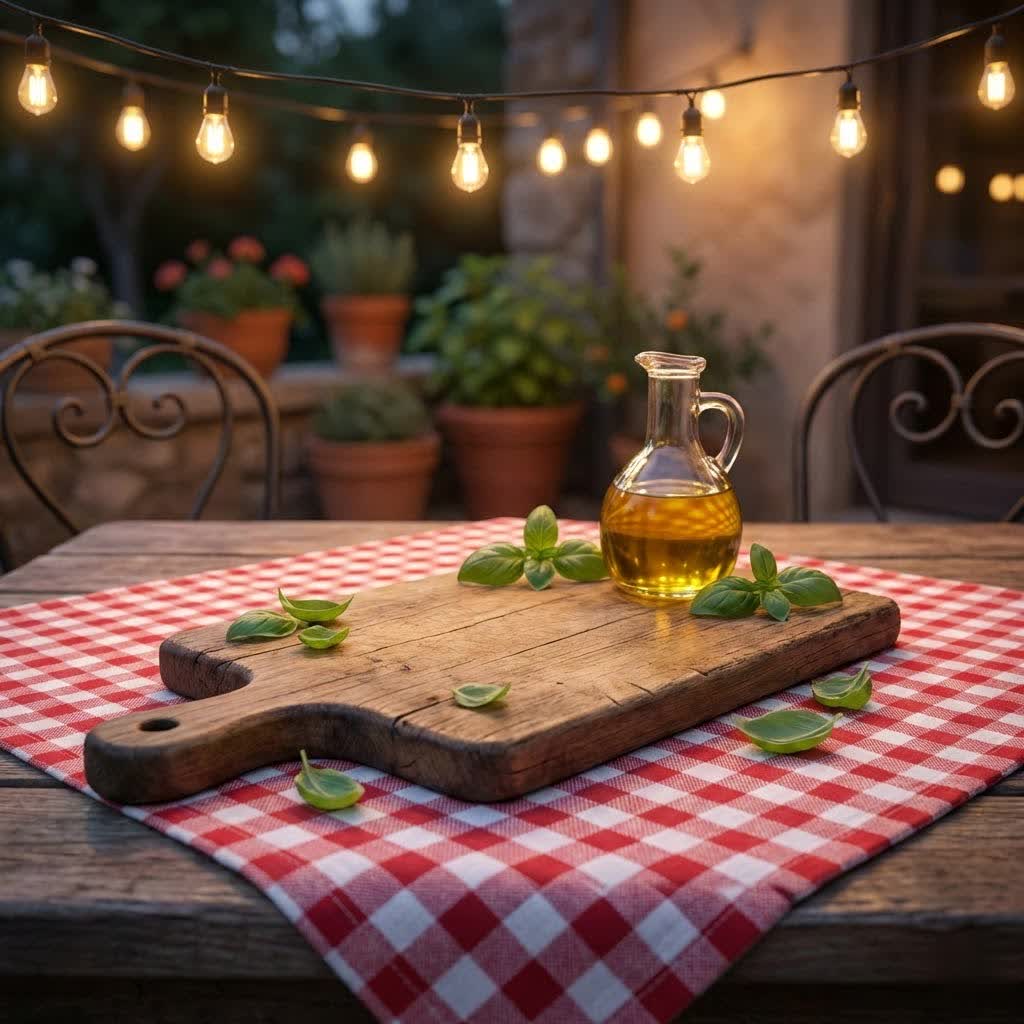
Popular Types of Non-Plastic Cutting Boards
Moving away from plastic opens up a diverse world of materials, each with unique characteristics that cater to different cooking styles and preferences. Understanding their individual strengths and weaknesses is key to making an informed choice.
Wooden Cutting Boards
Wooden cutting boards are a timeless classic, cherished for their natural beauty and durability. They are often hailed as the best choice for knife blades, as their softer surface allows the blade to sink slightly, preserving sharpness. Woods like maple, walnut, cherry, and teak are popular choices due to their tight grains and longevity.
-
Pros:
- Gentle on Knives: Wood’s relative softness helps keep knife edges sharper for longer. End-grain boards, in particular, are known for their “self-healing” quality, where fibers separate and then close back up, minimizing knife marks.
- Naturally Antimicrobial: Studies have shown that wood can harbor fewer bacteria than plastic, as moisture is absorbed into the fibers where bacteria die off rather than remaining on the surface.
- Aesthetic Appeal: Wood boards add a warm, rustic, or elegant touch to any kitchen.
- Durability and Longevity: With proper care, a high-quality wooden cutting board can last for decades, becoming an heirloom piece.
- Sustainability: When sourced from responsibly managed forests (FSC-certified), wood is a renewable resource.
-
Cons:
- Maintenance: Requires regular oiling and conditioning with food-grade mineral oil or beeswax to prevent drying, warping, and cracking.
- Not Dishwasher Safe: Soaking in water or running through a dishwasher can cause warping, cracking, and damage.
- Cost: Quality wooden boards, especially end-grain varieties or those from premium hardwoods, can be a significant upfront investment.
- Weight: Larger wood boards can be heavy and cumbersome to move and clean.
Common Wood Types:
- Maple: A popular choice balancing durability with knife-friendliness. North American sourced maple can be a sustainable option.
- Walnut: Known for its rich color and durability, though high demand can lead to increased prices.
- Cherry: Softer than maple or walnut, making it even gentler on knives but potentially more prone to knife marks and warping if not maintained.
- Teak: A tropical hardwood with natural oils that resist moisture, staining, and odors, requiring less frequent oiling. FSC-certified teak from sustainable plantations is crucial due to logging concerns.
- Olivewood: Visually stunning with unique grain patterns, naturally bacteria- and odor-resistant, making it a beautiful and functional choice.
|
Our Picks for the Best Cutting Board in 2026
As an Amazon Associate I earn from qualifying purchases.
|
||
| Num | Product | Action |
|---|---|---|
| 1 | Bamboo Cutting Boards for Kitchen [Set of 3] Wood Cutting Board for Chopping Meat, Vegetables, Fruits, Cheese, Knife Friendly Serving Tray with Handles |
![Check Bamboo Cutting Boards for Kitchen [Set of 3] Wood Cutting Board for Chopping Meat, Vegetables, Fruits, Cheese, Knife Friendly Serving Tray with Handles on Amazon](https://reviewerpri.com/wp-content/plugins/amazon-tables/assets/images/buy.png)
|
| 2 | Titanium Cutting Board for Kitchen, Cutting Board Double Sided Food Grade, Pure Titanium/PP, Easy to Clean Large Size 16”×11” |
|
| 3 | Keechee Bamboo Cutting Board, Durable Wood Cutting Boards for Kitchen with Deep Juice Grooves & Built-in Handles, Ideal Charcuterie & Chopping for Meat, Vegetables and Fruits Ideal Kitchen Gifts |
|
| 4 | Checkered Acacia Wood Cutting Board for Kitchen – Wooden Chopping Board, Durable Checkered Charcuterie Board for Meat, Fruit, Cheese & Vegetables, 16" x 11" x 1" |
|
| 5 | GORILLA GRIP BPA-Free Reversible Kitchen Cutting Board Set of 3, US Designed, Nonporous, Juice Grooves Catch Liquid, Slip Resistant Border, Dishwasher Safe, Durable Large Food Chopping Boards, Black |
|
| 6 | Extra Large Cutting Boards, Plastic Cutting Boards for Kitchen (Set of 3) Cutting Board Set Dishwasher Chopping Board with Juice Grooves Easy-Grip Handles, Dark Grey, Empune |
|
| 7 | Kikcoin Extra Large Bamboo Cutting Boards, (Set of 3) Chopping Boards with Juice Groove Bamboo Wood Cutting Board Set Butcher Block for Kitchen, End Grain Serving Tray |
|
| 8 | Bamboo Cutting Boards for Kitchen, Extra Large Wood Cutting Board with Deep Juice Groove and Handle Heavy Duty Chopping board, Kikcoin, 17.6" x 12" |
|
| 9 | Acacia Wood Cutting Board with Handle, 16x8 Inch Large Kitchen Chopping Board for Meat and Cheese, Butcher Block Serving Tray for Charcuterie, Bread and Fruit |
|
| 10 | Bamboo Cutting Board for Kitchen Meal Prep & Serving, 3-Piece Wooden Set with Juice Grooves, Side Handles, Non-Slip Mats – Ideal for Meat, Veggies, Fruit – Ideal Gift for the Home |
|
How to Care for Wooden Cutting Boards:
To ensure your wooden cutting board lasts a lifetime, hand-wash it immediately after use with hot, soapy water, and towel-dry it thoroughly. Stand it upright to air dry completely overnight to prevent warping. For sanitization, you can use a solution of 3% hydrogen peroxide or a mixture of lemon, salt, and baking soda. Regular oiling (every 2-4 weeks or when it appears dry) with food-grade mineral oil or a beeswax blend is essential to hydrate the wood and prevent cracking. Avoid vegetable oils as they can go rancid.
Bamboo Cutting Boards
Often mistaken for wood, bamboo is technically a fast-growing grass, making it an incredibly sustainable and renewable resource. Bamboo cutting boards have gained popularity as an eco-friendly alternative to plastic and traditional wood.
-
Pros:
- Sustainability: Bamboo grows rapidly and requires minimal fertilizer or pesticides, making it highly eco-friendly when responsibly sourced (FSC-certified).
- Hard and Dense: Bamboo is harder and less porous than many hardwoods, resisting knife marks and absorbing less moisture, which can make it resistant to bacteria.
- Lightweight: Generally lighter than wooden boards, making them easier to handle and store.
- Affordable: Often more economically priced than hardwood options.
-
Cons:
- Harder on Knives: Due to its density and high silica content, bamboo can be tougher on knife blades and may dull them faster than softer woods.
- Glue Concerns: Many bamboo boards are made from strips glued together; ensuring a formaldehyde-free, food-grade adhesive is vital for non-toxicity.
- Maintenance: Like wood, bamboo requires hand-washing and periodic oiling to prevent drying and cracking, though it’s less prone to warping than some woods.
Cleaning and Care for Bamboo Cutting Boards:
Hand-wash bamboo boards with warm, soapy water and dry them immediately. Do not soak them or put them in the dishwasher, as this can damage the material and glues. Regular oiling with a food-safe oil (like mineral oil or a plant-based alternative) will help maintain its condition and prevent drying.
Glass Cutting Boards
Glass cutting boards offer a sleek, modern, and highly hygienic option that is entirely non-porous. They are often chosen for their aesthetic appeal and ease of cleaning.
-
Pros:
- Highly Hygienic: Being non-porous, glass does not absorb liquids, odors, or bacteria, making it easy to sanitize completely.
- Easy to Clean: Simply wipe clean or wash with soap and water. Many are dishwasher safe.
- Heat Resistant: Tempered glass can withstand high temperatures.
- Non-Reactive: Will not react with acidic foods or leach chemicals.
-
Cons:
- Extremely Hard on Knives: Glass is notoriously bad for knife edges, dulling and chipping blades very quickly.
- Slippery Surface: Food can slide around on a glass surface, potentially increasing the risk of accidents.
- Noisy: Chopping on glass can be loud and jarring.
- Fragile: Prone to shattering if dropped or hit hard.
Considerations for Use:
Glass boards are best used as serving platters or for tasks that don’t involve sharp knives, like rolling dough or protecting countertops. If used for cutting, opt for tempered glass, but be prepared for frequent knife sharpening.
Other Non-Plastic Alternatives
Beyond the big three, several other materials offer compelling non-plastic solutions for your kitchen.
- Rubber Cutting Boards: Popular in commercial kitchens, rubber boards are durable, dense, gentle on knives, and often non-porous and antimicrobial. Some synthetic rubber options can be dishwasher safe and resist warping.
- Wood Fiber Composite Boards: Brands like Epicurean use paper composite materials (e.g., Richlite) made from recycled paper and phenolic resin. These boards are non-porous, durable, knife-friendly, and often dishwasher safe, offering a low-maintenance alternative.
- Stainless Steel/Titanium Cutting Boards: Extremely durable, safe, and non-toxic, these metal boards are non-porous and easy to clean. However, they are very hard on knives and can be slippery.
- Silicone Cutting Boards: Flexible, food-grade silicone boards are a lightweight, non-toxic, and less rigid alternative. They don’t easily breed harmful bacteria and are often dishwasher safe.
- Stone Cutting Boards (Granite/Marble): While beautiful and hygienic, stone boards are very hard on knives and brittle, making them less practical for daily chopping. They are better suited for serving.
Comparison Table of Non-Plastic Cutting Boards
| Feature | Wooden Boards | Bamboo Boards | Glass Boards | Rubber Boards | Wood Fiber Composite Boards |
|---|---|---|---|---|---|
| Durability | High (with care, can last decades) | High (dense, resistant to marks) | High (tempered glass) | Very High (commercial grade) | High (dense, resilient) |
| Knife-Friendliness | Excellent (preserves sharpness, “self-healing”) | Good (harder than wood, may dull knives faster) | Poor (dulls/chips knives quickly) | Excellent (soft, gentle on blades) | Good (less abrasive than plastic/glass) |
| Hygiene | Good (natural antimicrobial properties) | Good (dense, absorbs less moisture) | Excellent (non-porous, easy to sanitize) | Excellent (non-porous, antimicrobial) | Excellent (non-porous, NSF certified) |
| Safety | Non-toxic, biodegradable | Non-toxic (ensure food-grade glue), biodegradable | Non-toxic, recyclable | Non-toxic (synthetic rubber, microplastic-free) | Non-toxic (recycled paper, low VOC resin) |
| Maintenance | Hand-wash, oil regularly | Hand-wash, oil occasionally | Easy, often dishwasher safe | Easy, often dishwasher safe | Easy, often dishwasher safe, no oiling |
| Price | Mid to High | Low to Mid | Low to Mid | Mid to High | Low to Mid |
| Aesthetics | Classic, elegant, warm | Natural, clean, modern | Sleek, modern | Functional, often utilitarian | Modern, minimalist |
| Best For | General prep, carving, serving, knife care | Everyday chopping, budget-conscious, eco-friendly | Serving, non-knife tasks, highly sanitary needs | Heavy-duty use, commercial kitchens, knife care | Everyday versatile use, low maintenance, hygienic |
“Choosing the right cutting board isn’t just about durability—it’s also a question of food safety, material toxicity, and environmental impact. The best board for you will align with your cooking style and maintenance commitment.” – Jen, Let’s Go Green.
Buying Guide: How to Choose Your Ideal Non-Plastic Cutting Board
Selecting the perfect non-plastic cutting board involves a thoughtful consideration of your culinary habits, kitchen space, and personal values.
Determine Your Needs
Before diving into materials, clarify how you’ll use the board:
- Primary Use: Will it be mainly for slicing vegetables, chopping raw meats, prepping dough, or serving? Some materials excel in specific tasks. For example, a heavy-duty wooden butcher block is ideal for butchering, while a smaller bamboo board is great for quick fruit prep.
- Size: Consider your counter space and storage availability. Do you need a large workhorse, or a compact board for small tasks? Remember that larger, heavier boards can be more challenging to clean and store.
- Budget: Non-plastic boards range widely in price. Determine how much you’re willing to invest, keeping in mind that a quality board can last for many years.
Material Matters
The material is at the heart of your non-plastic cutting board decision, influencing everything from hygiene to knife longevity.
- Safety and Non-Toxicity: Prioritize materials that are truly non-toxic and free from harmful chemicals like BPA or formaldehyde. Look for certifications like FSC for wood/bamboo and NSF/GREENGUARD for composites.
- Antimicrobial Properties & Ease of Cleaning: If hygiene is a top concern, non-porous options like glass, metal, or wood fiber composites offer easy sanitization. Wood and bamboo possess natural antimicrobial properties, but require proper hand-washing.
- Knife-Friendliness: If you invest in high-quality knives, choose materials that are gentle on blades, such as end-grain wood or rubber. Avoid glass or stone for daily cutting tasks.
- Sustainability: If environmental impact is a concern, opt for FSC-certified wood or bamboo, or composites made from recycled materials.
Brand and Pricing
Investing in a reputable brand often means better quality, ethical sourcing, and clearer information on materials and care.
- Reputable Brands: Look for established brands known for their non-plastic cutting boards. Examples include John Boos & Co. (wood), Teakhaus (teak), Bambu (bamboo), Material Kitchen (plant-based composite), and Epicurean (wood fiber composite).
- Price vs. Value: While some non-plastic boards have a higher upfront cost, their longevity and superior performance often provide better long-term value than cheaper plastic alternatives. Read reviews to gauge product quality and customer satisfaction.
Usage and Maintenance Tips
Proper care is crucial for the longevity and hygiene of any cutting board.
- Clean Immediately: Always wash your cutting board with hot, soapy water after each use.
- Sanitize Regularly: For deep cleaning or after cutting raw meat, sanitize wood and bamboo boards with natural solutions like lemon, salt, vinegar, or hydrogen peroxide. Non-porous boards can be easily disinfected with standard kitchen sanitizers or hot water.
- Dry Thoroughly: Allow all non-plastic boards to air dry completely, ideally standing upright, to prevent moisture retention, warping, or mold growth.
- Oil and Condition: Wood and bamboo boards benefit significantly from regular oiling with food-grade mineral oil or a wood conditioner containing beeswax. This prevents them from drying out, cracking, and staining.
- Avoid Dishwashers: Most wood and bamboo boards are not dishwasher safe. Dishwashers can cause them to warp, crack, and strip away their natural oils.
Conclusion
The shift away from plastic cutting boards is a conscious choice for a healthier kitchen and a more sustainable lifestyle. By embracing alternatives like wood, bamboo, glass, rubber, or wood fiber composites, you not only reduce microplastic exposure but also invest in durable, beautiful tools that can enhance your culinary journey. Each material presents a unique balance of benefits, from the knife-friendly resilience of end-grain wood to the hygienic simplicity of a composite board. With proper care and an understanding of your needs, your chosen non-plastic cutting board will serve as a reliable and inspiring partner for countless meals to come.
What non-plastic cutting board material are you most excited to try in your kitchen?
Frequently Asked Questions
Are wooden cutting boards truly hygienic?
Yes, multiple studies have shown that wooden cutting boards can be as safe, or even safer, than plastic. Wood naturally absorbs moisture, trapping bacteria within its fibers where they die off rather than multiplying on the surface. Proper cleaning with hot, soapy water and thorough drying are key to maintaining their hygiene.
How often should I oil my wooden/bamboo cutting board?
You should typically oil your wooden or bamboo cutting board every 2-4 weeks, or whenever it appears dry, dull, or if water no longer beads on the surface. This conditioning process is vital to seal pores, prevent cracking, and maintain its appearance and longevity.
Can I put my non-plastic cutting board in the dishwasher?
Most natural non-plastic cutting boards, such as those made from wood or bamboo, should not be put in the dishwasher. The intense heat and prolonged moisture can cause them to warp, crack, and strip away their natural oils. However, some non-porous materials like glass, metal, rubber, and wood fiber composites are often dishwasher safe.
What’s the best non-plastic cutting board for knives?
End-grain hardwood cutting boards, particularly those made from maple or walnut, are widely considered the best for preserving knife sharpness. Their “self-healing” properties allow knife blades to slide between wood fibers, which then close back up, reducing damage to both the board and the knife edge.
Are bamboo cutting boards truly eco-friendly?
Bamboo cutting boards are generally considered eco-friendly due to bamboo’s rapid growth and minimal resource requirements, making it a highly renewable resource. However, to ensure true sustainability, look for FSC-certified bamboo to guarantee it comes from responsibly managed sources and uses food-grade, formaldehyde-free glues.
