In every kitchen, the cutting board is an unsung hero, an indispensable tool that facilitates countless culinary tasks. But with an overwhelming array of materials available today, from classic wood to modern composites, choosing the right one can feel like a daunting decision. Among the newer contenders gaining significant traction are silicone cutting boards, lauded for their innovative features and practical benefits. Are these flexible, vibrant boards truly a game-changer for your kitchen? This comprehensive guide will slice through the hype, exploring the advantages, disadvantages, safety aspects, and care requirements of silicone cutting boards, and how they stack up against their traditional counterparts. By the end, you’ll have all the information needed to determine if a silicone cutting board is the perfect fit for your cooking style and needs.
Understanding Silicone Cutting Boards
Silicone cutting boards are crafted from food-grade silicone, a synthetic polymer renowned for its flexibility, durability, and resistance to extreme temperatures. Unlike hard plastics or rigid woods, these boards offer a unique blend of properties that make them stand out in a busy kitchen. Their growing popularity stems from a desire for more hygienic, versatile, and knife-friendly surfaces that can keep pace with modern cooking demands. From their non-slip grip to their ability to simplify ingredient transfer, silicone boards present a compelling case for a spot in your kitchen arsenal.
Advantages of Silicone Cutting Boards
Silicone cutting boards bring a host of benefits that make them an attractive choice for many home cooks and professional chefs alike.
- Superior Hygiene and Food Safety: One of the most significant advantages of food-grade silicone is its non-porous nature. This means silicone cutting boards do not absorb liquids, odors, or harbor bacteria, unlike some traditional materials. This feature makes them exceptionally easy to clean and highly resistant to stains and cross-contamination, contributing to a more sanitary food preparation environment.
- Knife-Friendly Surface: The softer, slightly yielding surface of silicone is notably gentler on your knife blades. Compared to harder materials like glass, ceramic, or even some bamboo, silicone helps to preserve the sharpness of your knives, reducing the frequency of sharpening and extending the life of your precious cutlery.
- Exceptional Durability and Longevity: Silicone is known for its impressive resilience. These cutting boards are highly resistant to common kitchen woes such as cracking, warping, and discoloration, ensuring they maintain their structural integrity and appearance over extended periods of frequent use.
- Remarkable Heat Resistance: Food-grade silicone boasts excellent heat resistance, often withstanding temperatures up to 450°F (232°C) or even 482°F (250°C). This quality allows them to double as convenient trivets for hot pots and pans, and most are perfectly safe for use in the microwave or dishwasher.
- Flexibility and Convenience: The inherent flexibility of silicone offers practical benefits in the kitchen. Many boards can be bent or folded, allowing for easy and mess-free transfer of chopped ingredients directly into pots, pans, or bowls. Furthermore, their natural anti-slip properties often eliminate the need for damp towels underneath, keeping the board securely in place during vigorous chopping.
- Non-Toxic Composition: When certified as “food-grade,” silicone cutting boards are free from harmful chemicals often found in other plastics, such as BPA, phthalates, and PVC. This inert and non-reactive composition ensures that no undesirable flavors, odors, or colors are transferred to your food, safeguarding the purity of your ingredients.
|
Our Picks for the Best Cutting Board in 2026
As an Amazon Associate I earn from qualifying purchases.
|
||
| Num | Product | Action |
|---|---|---|
| 1 | Bamboo Cutting Boards for Kitchen [Set of 3] Wood Cutting Board for Chopping Meat, Vegetables, Fruits, Cheese, Knife Friendly Serving Tray with Handles |
![Check Bamboo Cutting Boards for Kitchen [Set of 3] Wood Cutting Board for Chopping Meat, Vegetables, Fruits, Cheese, Knife Friendly Serving Tray with Handles on Amazon](https://reviewerpri.com/wp-content/plugins/amazon-tables/assets/images/buy.png)
|
| 2 | Bamboo Cutting Boards for Kitchen, Extra Large Wood Cutting Board with Deep Juice Groove and Handle Heavy Duty Chopping board, Kikcoin, 17.6" x 12" |
|
| 3 | Keechee Bamboo Cutting Board, Durable Wood Cutting Boards for Kitchen with Deep Juice Grooves & Built-in Handles, Ideal Charcuterie & Chopping for Meat, Vegetables and Fruits Ideal Kitchen Gifts |
|
| 4 | Checkered Acacia Wood Cutting Board for Kitchen – Wooden Chopping Board, Durable Checkered Charcuterie Board for Meat, Fruit, Cheese & Vegetables, 16" x 11" x 1" |
|
| 5 | Acacia Wood Cutting Board with Handle, 16x8 Inch Large Kitchen Chopping Board for Meat and Cheese, Butcher Block Serving Tray for Charcuterie, Bread and Fruit |
|
| 6 | Kikcoin Extra Large Bamboo Cutting Boards, (Set of 3) Chopping Boards with Juice Groove Bamboo Wood Cutting Board Set Butcher Block for Kitchen, End Grain Serving Tray |
|
| 7 | GORILLA GRIP BPA-Free Reversible Kitchen Cutting Board Set of 3, US Designed, Nonporous, Juice Grooves Catch Liquid, Slip Resistant Border, Dishwasher Safe, Durable Large Food Chopping Boards, Black |
|
| 8 | Bamboo Cutting Board for Kitchen Meal Prep & Serving, 3-Piece Wooden Set with Juice Grooves, Side Handles, Non-Slip Mats – Ideal for Meat, Veggies, Fruit – Ideal Gift for the Home |
|
| 9 | Titanium Cutting Board for Kitchen, Cutting Board Double Sided Food Grade, Pure Titanium/PP, Easy to Clean Large Size 16”×11” |
|
| 10 | Extra Large Cutting Boards, Plastic Cutting Boards for Kitchen (Set of 3) Cutting Board Set Dishwasher Chopping Board with Juice Grooves Easy-Grip Handles, Dark Grey, Empune |
|
Disadvantages of Silicone Cutting Boards
While silicone cutting boards offer many advantages, they also come with a few considerations that might influence your decision.
- Potential for Knife Marks: Despite being gentler on blades, the softer surface of silicone is prone to showing knife marks and cuts over time, especially with very sharp knives or vigorous chopping. These grooves, if not meticulously cleaned, could potentially harbor bacteria.
- Subtle Knife Dulling: While less aggressive than hard surfaces, frequent use on a silicone board can still lead to some dulling of knives over an extended period. It’s a trade-off between board durability and blade edge retention, though generally favorable compared to very hard materials.
- Limited Aesthetic Options: For those who prioritize kitchen aesthetics, silicone cutting boards typically offer fewer design choices and natural appeal compared to the rich grains of wood or bamboo. They often come in solid colors and simpler forms.
- Higher Initial Cost: Silicone cutting boards can sometimes be more expensive upfront than basic plastic or some wooden alternatives. However, their longevity and durability can offset this cost over time.
- Microplastic Concerns (A Nuanced View): As a polymer, some discussions raise concerns about silicone potentially leaching microplastics, particularly with prolonged exposure to very high heat, such as in a dishwasher. While certified food-grade silicone is chemically stable and not known to shed microplastics, those with extreme caution might opt for handwashing to prolong the board’s life and mitigate any perceived risk, though most reputable manufacturers deem them dishwasher safe.
Silicone vs. Other Popular Cutting Board Materials
To make an informed decision, it’s essential to understand how silicone cutting boards compare to other common materials in the kitchen.
Wood Cutting Boards
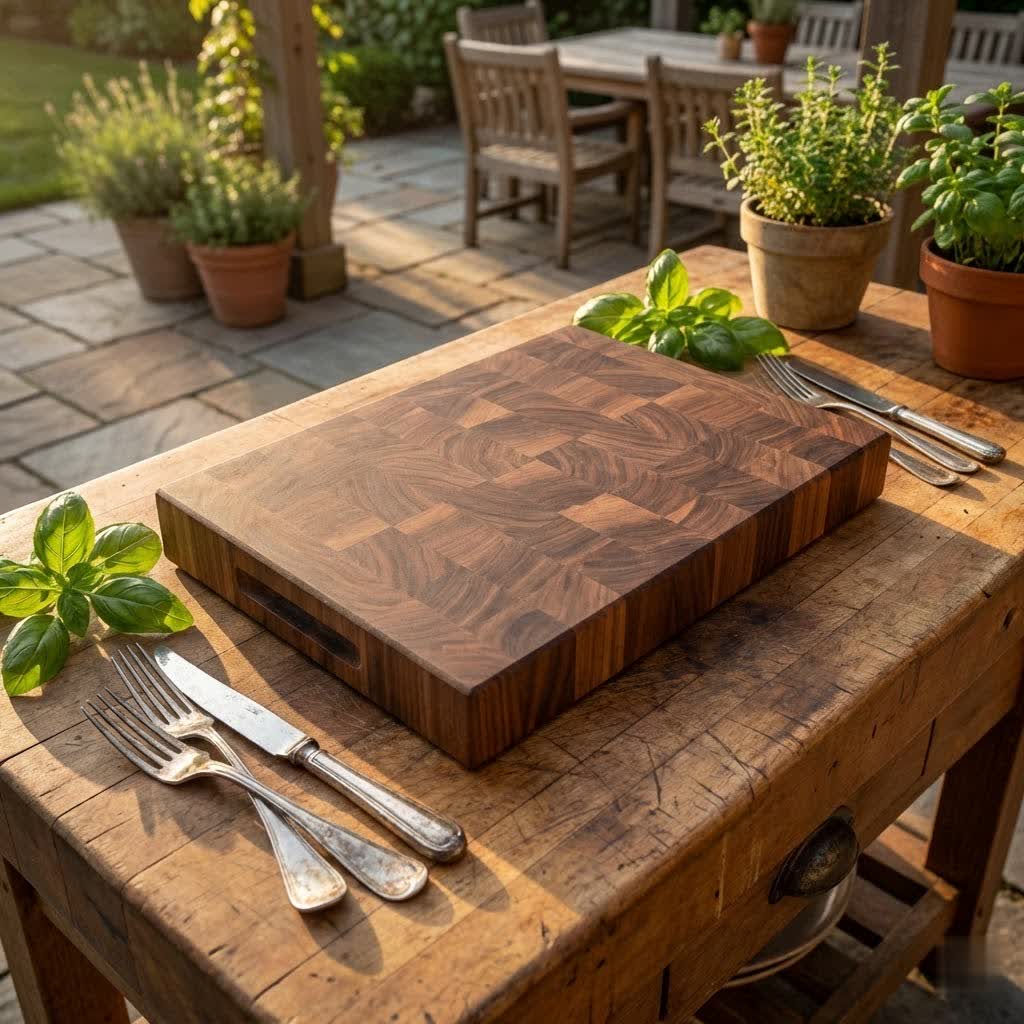
Wood boards, often made from maple, walnut, or teak, are celebrated for their classic beauty and knife-friendliness. Many types of wood possess natural antimicrobial properties, and end-grain boards can even “self-heal” from minor cuts. However, they require more maintenance, including regular oiling, and are not dishwasher safe. Improper care can lead to warping, cracking, and potential bacterial growth.
Plastic Cutting Boards
Typically made from HDPE or PP, plastic cutting boards are affordable, lightweight, and often dishwasher safe, making them easy to sanitize, particularly for raw meat. The downside is that plastic surfaces can quickly develop deep knife grooves, which are difficult to clean thoroughly and can become breeding grounds for bacteria. They are also known to shed microplastics into food over time and require frequent replacement.
Bamboo Cutting Boards
Often promoted as an eco-friendly alternative, bamboo is a fast-growing, renewable resource. Bamboo boards are hard, durable, and resistant to water. However, their hardness can be tough on knife edges, dulling them faster than wood or silicone. Many bamboo boards are also made from glued strips, raising concerns about the adhesives used, unless certified formaldehyde-free. They are also prone to splitting if not properly maintained.
Glass Cutting Boards
Glass cutting boards are highly hygienic, non-porous, and resistant to heat, stains, and odors. They are exceptionally easy to clean. Their major drawback is their extreme hardness, which rapidly dulls knives and creates a harsh, often noisy cutting experience. Glass boards are also susceptible to chipping or shattering if dropped.
Comparison Table: Cutting Board Materials at a Glance
| Feature | Silicone | Wood | Plastic | Bamboo | Glass |
|---|---|---|---|---|---|
| Durability | Excellent (resists warping, cracking) | Excellent (with proper care) | Good (prone to deep cuts) | Very Good (can split/crack) | Excellent (but brittle) |
| Hygiene | Excellent (non-porous, resists bacteria/odors) | Good (natural antimicrobial, but porous) | Fair (grooves harbor bacteria) | Good (non-porous if sealed, can crack) | Excellent (non-porous) |
| Knife-Friendliness | Very Good (gentle) | Excellent (very gentle, can self-heal) | Good (can create deep grooves) | Fair (hard, can dull knives) | Poor (dulls knives quickly) |
| Ease of Cleaning | Excellent (dishwasher safe) | Fair (hand wash only, requires oiling) | Very Good (dishwasher safe) | Good (hand wash, requires oiling) | Excellent (dishwasher safe) |
| Cost | Moderate to High | Moderate to High | Low | Low to Moderate | Low to Moderate |
| Aesthetics | Modern, functional | Classic, natural, decorative | Functional, basic | Natural, earthy | Sleek, transparent |
| Microplastic Risk | Low (if food-grade, but some debate on dishwashers) | None | High (sheds microplastics with wear) | None (but glues can be a concern) | None |
How to Choose the Best Silicone Cutting Board
Selecting the ideal silicone cutting board involves more than just picking a color. Consider these factors to ensure you get a product that meets your culinary demands.
Prioritizing Food-Grade Certification
The most crucial factor is ensuring the board is made from 100% food-grade silicone and carries certifications like FDA (21 CFR 177.2600) or LFGB (EU standards). These certifications guarantee that the material has undergone rigorous testing and will not leach harmful chemicals into your food. Be wary of uncertified or suspiciously cheap products, which may contain fillers.
Size and Thickness
Consider the space available in your kitchen and the types of tasks you typically perform. Larger boards are ideal for prepping big meals or cutting substantial items, while smaller, more flexible ones are excellent for quick tasks or transferring chopped ingredients. Thickness contributes to stability; thicker boards feel more substantial, while thinner ones offer maximum flexibility.
Design Features
Look for practical design elements that enhance usability. Many silicone boards feature anti-slip bases or integrated feet to prevent movement on your countertop. Juice grooves around the edges are invaluable for containing liquids from fruits, vegetables, or raw meats, keeping your workstation tidy. Integrated handles or hanging holes can also improve storage convenience.
Brand Reputation and Reviews
Invest in products from reputable brands known for their quality and commitment to food safety. Reading user reviews can provide insights into a board’s real-world performance, durability, and any potential issues like initial odor or susceptibility to knife marks.
Care and Maintenance for Your Silicone Cutting Board
Proper care is key to maximizing the life and hygienic properties of your silicone cutting board.
Daily Cleaning
After each use, simply wash your silicone cutting board with hot, soapy water. Most food-grade silicone boards are also dishwasher safe, allowing for thorough sanitization at high temperatures. Always ensure the board is completely dry before storing to prevent any potential moisture build-up.
Deep Cleaning and Sanitization
For periodic deep cleaning or after cutting raw meats, you can use a solution of diluted white vinegar or a paste of baking soda and water to scrub the surface. These natural cleaners help to remove any stubborn residues, stains, or odors. For advanced sanitization, a mild bleach solution (one tablespoon per gallon of water) can be used, followed by a thorough rinse.
Storage Tips
Thanks to their flexibility, silicone boards can be stored flat, rolled, or hung. Proper storage helps maintain their shape and prevents warping. Ensure they are stored in a dry, well-ventilated area away from direct heat sources. Regularly inspect your board for excessively deep knife marks or degradation; while durable, any cutting board should be replaced when it becomes too worn to clean effectively.
“Food-grade silicone cutting boards are a fantastic innovation for modern kitchens, blending superior hygiene with gentle knife care. Always look for certified products to ensure you’re getting the best in non-toxic food preparation.” – Dr. Emily Chen, Food Safety Expert.
Conclusion
Silicone cutting boards represent a modern solution to an age-old kitchen necessity. Their distinct advantages, including exceptional hygiene, knife-friendliness, durability, and heat resistance, make them a compelling choice for any home cook. While they may present minor drawbacks like visible knife marks or a higher initial cost, these are often outweighed by their overall performance and longevity. The key to unlocking the full potential and safety of a silicone cutting board lies in choosing certified food-grade products and adhering to proper care routines. By understanding their unique characteristics and how they compare to other materials, you can confidently decide if a silicone cutting board is the innovative, versatile, and hygienic addition your kitchen has been waiting for.
Frequently Asked Questions
Are silicone cutting boards truly non-toxic?
Yes, food-grade silicone is generally considered non-toxic and safe for food preparation. It is free from harmful chemicals like BPA, phthalates, and PVC, especially when certified by reputable standards such as FDA or LFGB.
Do silicone cutting boards dull knives quickly?
Silicone is softer than many traditional cutting board materials like plastic, wood, or glass, making it gentler on knife blades. This helps to preserve their sharpness longer compared to harder surfaces, though frequent use will naturally lead to some wear on any knife.
Can I put my silicone cutting board in the dishwasher?
Most food-grade silicone cutting boards are designed to be dishwasher-safe and can withstand high temperatures for effective sanitization. However, some sources suggest handwashing to extend their lifespan and for those particularly concerned about any potential microplastic shedding from polymers at very high heat.
How do I remove stains or odors from a silicone cutting board?
Silicone is highly resistant to absorbing stains and odors. For any stubborn issues, a paste made from baking soda and water, or scrubbing with half a lemon and coarse salt, can be very effective, followed by a thorough rinse and dry.
What should I look for when buying a silicone cutting board?
Prioritize products clearly labeled “food-grade” and ensure they have FDA or LFGB certifications for safety. Additionally, consider the board’s size, thickness, and useful features like non-slip grips, juice grooves, or integrated handles to best match your cooking needs.
