For any passionate home cook, the cutting board is far more than just a kitchen accessory; it’s the stage where culinary magic truly begins. If you’ve ever found yourself struggling with limited space, ingredients spilling onto the counter, or a wobbly surface hindering your knife work, then a huge cutting board might be the game-changer you need. This isn’t just about size; it’s about transforming your food preparation experience, offering unparalleled stability, efficiency, and versatility. In this comprehensive guide, we’ll delve into the benefits, various types, and essential considerations for choosing and caring for the perfect huge cutting board to elevate your kitchen.
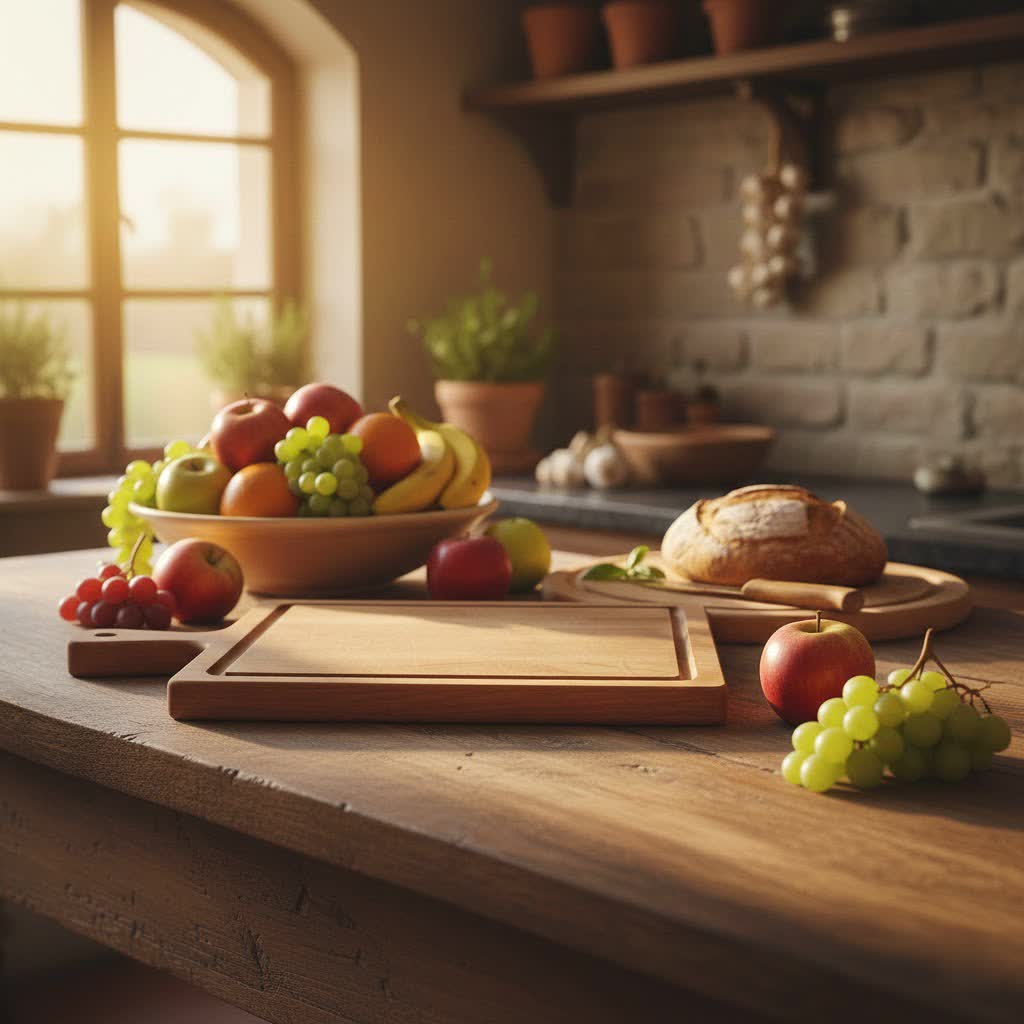
Why a Huge Cutting Board is a Game Changer for Your Kitchen
A large, expansive cutting surface dramatically enhances your kitchen workflow and overall cooking enjoyment. Imagine preparing an entire meal without constantly stopping to transfer chopped ingredients to bowls or risking cross-contamination.
Ample Workspace for Seamless Preparation
One of the most immediate benefits of a huge cutting board is the generous workspace it provides. Whether you’re butchering a whole chicken, kneading a large batch of dough, or dicing an array of vegetables for a big family dinner, an oversized board ensures all your ingredients stay contained and organized. This eliminates the need for multiple small boards and reduces clutter, making your prep work more efficient and enjoyable.
Enhanced Stability and Safety
Huge cutting boards, especially those made from dense materials like wood, often possess a substantial weight. This inherent heaviness provides superior stability on your countertop, preventing the board from sliding or shifting during intense chopping or carving. A stable surface significantly reduces the risk of accidents and allows for more confident and precise knife work, making your kitchen a safer environment.
Versatility Beyond Just Chopping
While their primary function is food preparation, huge cutting boards offer remarkable versatility. They can double as an impressive serving platter for charcuterie, roasted meats, or baked goods when entertaining guests. Many home bakers find an expansive wooden board ideal for rolling out doughs for pastries, pizzas, or bread, utilizing its natural surface for optimal results. It truly becomes a multi-functional culinary hub.
Protect Your Knives and Countertops
The right material in a huge cutting board can significantly extend the life of your knives. Softer surfaces, particularly certain woods, absorb the impact of chopping, keeping your knife blades sharper for longer. Furthermore, a robust cutting board acts as a protective barrier, shielding your precious countertops from knife marks, heat damage, and spills, thus preserving their pristine condition.
Aesthetic Appeal as a Kitchen Centerpiece
Beyond their practical benefits, many huge cutting boards are crafted from beautiful woods and designed to be a permanent fixture in your kitchen. An elegantly finished end-grain maple or rich walnut board can serve as a stunning visual centerpiece, adding warmth, character, and a touch of professional sophistication to your culinary space. It’s an investment that combines both form and function.
Popular Types of Huge Cutting Boards
When investing in a huge cutting board, material choice is paramount, influencing everything from durability and maintenance to knife friendliness and hygiene. Each material presents a unique set of advantages and considerations tailored to different cooking styles and preferences.
Wooden Huge Cutting Boards
Wooden cutting boards are a timeless classic, revered by professional chefs and home cooks alike for their aesthetic appeal and functional superiority. They are often the preferred choice for a huge cutting board due to their robustness and natural properties.
- Pros: Wood is inherently gentle on knife edges, helping to maintain their sharpness. High-quality wooden boards, especially those made with end-grain construction, possess natural antimicrobial properties, making them a hygienic choice. They are exceptionally durable and, with proper care, can last for decades, developing a beautiful patina over time. Their substantial weight contributes to excellent stability during heavy-duty tasks.
- Cons: Wooden boards require more maintenance than plastic, including regular oiling and conditioning to prevent drying, warping, and cracking. They are often heavier, which can make moving and cleaning a large board challenging if it doesn’t fit in your sink. They can also be more expensive upfront.
- Common Woods for Large Boards:
- Maple: A popular choice due to its hardness, tight grain, and light color. It’s highly durable and resistant to absorbing liquids and bacteria.
- Walnut: Slightly softer than maple, making it even gentler on knives, and boasts a rich, dark hue that adds elegance to any kitchen.
- Teak: Known for its exceptional water resistance and natural oils, which make it highly resistant to moisture and decay, and also possess antimicrobial properties. It’s an ultra-durable pick, often used in marine applications.
- Care: Wooden boards should be washed with mild soap and warm water, rinsed thoroughly, and dried immediately. Regular conditioning with food-grade mineral oil and board cream is crucial to hydrate the wood and create a protective barrier.
|
Our Picks for the Best Cutting Board in 2026
As an Amazon Associate I earn from qualifying purchases.
|
||
| Num | Product | Action |
|---|---|---|
| 1 | Titanium Cutting Board for Kitchen, Cutting Board Double Sided Food Grade, Pure Titanium/PP, Easy to Clean Large Size 16”×11” |

|
| 2 | GORILLA GRIP BPA-Free Reversible Kitchen Cutting Board Set of 3, US Designed, Nonporous, Juice Grooves Catch Liquid, Slip Resistant Border, Dishwasher Safe, Durable Large Food Chopping Boards, Black |
|
| 3 | Keechee Bamboo Cutting Board, Durable Wood Cutting Boards for Kitchen with Deep Juice Grooves & Built-in Handles, Ideal Charcuterie & Chopping for Meat, Vegetables and Fruits Ideal Kitchen Gifts |
|
| 4 | Extra Large Cutting Boards, Plastic Cutting Boards for Kitchen (Set of 3) Cutting Board Set Dishwasher Chopping Board with Juice Grooves Easy-Grip Handles, Dark Grey, Empune |
|
| 5 | Bamboo Cutting Boards for Kitchen [Set of 3] Wood Cutting Board for Chopping Meat, Vegetables, Fruits, Cheese, Knife Friendly Serving Tray with Handles |
|
| 6 | Acacia Wood Cutting Board with Handle, 16x8 Inch Large Kitchen Chopping Board for Meat and Cheese, Butcher Block Serving Tray for Charcuterie, Bread and Fruit |
|
| 7 | Bamboo Cutting Board for Kitchen Meal Prep & Serving, 3-Piece Wooden Set with Juice Grooves, Side Handles, Non-Slip Mats – Ideal for Meat, Veggies, Fruit – Ideal Gift for the Home |
|
| 8 | Checkered Acacia Wood Cutting Board for Kitchen – Wooden Chopping Board, Durable Checkered Charcuterie Board for Meat, Fruit, Cheese & Vegetables, 16" x 11" x 1" |
|
| 9 | Kikcoin Extra Large Bamboo Cutting Boards, (Set of 3) Chopping Boards with Juice Groove Bamboo Wood Cutting Board Set Butcher Block for Kitchen, End Grain Serving Tray |
|
| 10 | Bamboo Cutting Boards for Kitchen, Extra Large Wood Cutting Board with Deep Juice Groove and Handle Heavy Duty Chopping board, Kikcoin, 17.6" x 12" |
|
Plastic Huge Cutting Boards
Plastic cutting boards are a common fixture in many kitchens, prized for their practicality and ease of sanitation. For huge boards, they offer a lightweight and often more affordable alternative.
- Pros: Plastic boards are generally lightweight, making them easier to handle and move than their wooden counterparts. Many are dishwasher-safe (for sizes that fit), offering convenient and thorough sanitization, which is particularly beneficial when handling raw meats. They are also more affordable, making them a budget-friendly option.
- Cons: The harder surface of plastic can dull knife edges more quickly over time. As they are used, plastic boards develop knife grooves and scratches, which can become breeding grounds for bacteria if not cleaned meticulously. Unlike wood, they often lack the aesthetic appeal and may need more frequent replacement as deep gouges accumulate.
- Common Plastics: High-density polyethylene (HDPE) and polypropylene (PP) are widely used for their non-porous nature and durability.
- Considerations: It’s advisable to use separate plastic boards for raw meats and produce to prevent cross-contamination. Replace plastic boards when they show deep knife marks that cannot be thoroughly cleaned, as these crevices can harbor harmful pathogens.
Bamboo Huge Cutting Boards
Bamboo cutting boards have gained popularity as an eco-friendly and sustainable alternative to traditional wood. They offer a unique blend of benefits, making them a compelling choice for larger sizes.
- Pros: Bamboo is a fast-growing, renewable resource, making it an environmentally conscious choice. It is naturally resistant to water absorption, helping to prevent warping. Bamboo boards are often lightweight, durable, and more affordable than many hardwood options.
- Cons: Bamboo is harder than most common cutting board woods like maple or walnut, which can cause knives to dull faster. The glues used in bamboo construction can sometimes be a concern, so look for food-safe adhesives. They can also be prone to splitting if not properly cared for.
- Care: Similar to wooden boards, bamboo requires regular oiling to maintain its integrity and prevent drying and cracking. They should be hand-washed with mild soap and water, rinsed, and dried immediately to ensure longevity.
Other Materials: Glass and Composite
While wood, plastic, and bamboo dominate the market, other materials are available, though some are best avoided for primary cutting surfaces.
- Glass/Stone (Marble/Granite): These materials offer elegance and are excellent for tasks like serving or as trivets for hot dishes due to their heat resistance and non-porous surfaces. However, they are strongly not recommended for actual cutting. Their extreme hardness will rapidly dull and even chip knife blades, and the impact can be unpleasantly noisy. For a huge board, the weight and fragility also pose significant challenges.
- Composite/Rubber: Boards made from materials like recycled wood fibers and resin (e.g., Epicurean) or durable rubber are excellent knife-friendly, non-porous, and hygienic options. They often combine some of the best qualities of wood and plastic, being less prone to warping than wood and more durable on knives than typical plastic. They are often lighter than solid wood and can be dishwasher-safe.
Choosing Your Ideal Huge Cutting Board: A Comprehensive Buying Guide
Selecting the perfect huge cutting board involves more than just picking the biggest one you see. Careful consideration of your cooking habits, kitchen space, and material preferences will ensure you find a board that genuinely enhances your culinary journey.
Assess Your Culinary Needs
Before diving into materials and features, take stock of how you primarily cook and what challenges you face with your current setup.
- Primary Use: What will you be using the huge board for most often? If you frequently carve large roasts or poultry, a board with deep juice grooves is essential. For baking and dough preparation, a smooth, expansive surface is key. If you prepare multi-component meals for a large family or entertain frequently, a board that can accommodate a wide array of ingredients simultaneously will be invaluable.
- Kitchen Space & Storage: Measure your available countertop space carefully. A huge cutting board is a significant item, and you need to ensure it fits comfortably without impeding other kitchen functions. Consider whether it will be a permanent fixture or if you’ll need to store it. If storing, assess its weight and if it can be easily moved and stashed away (e.g., upright in a pantry).
- Budget: Huge cutting boards, especially high-quality wooden ones, represent an investment. Determine a realistic budget, understanding that the upfront cost often correlates with durability, longevity, and superior performance.
Material Matters
As discussed, the material is a critical factor influencing both performance and maintenance.
- Safety: Prioritize food-grade materials that are non-toxic and, for plastics, BPA-free. Ensure any adhesives used in laminated boards are safe for food contact.
- Knife Preservation: If you’ve invested in quality knives, choose a material that is kind to their edges. Softer woods like walnut, maple, or high-quality composite/rubber boards will keep your blades sharper for longer than harder surfaces like bamboo or, especially, glass.
- Hygiene & Ease of Cleaning: Consider how easily the material can be cleaned and sanitized, particularly after handling raw meats. Plastic boards are often favored for their dishwasher compatibility, while wood requires diligent hand-washing and regular conditioning.
Size, Thickness, and Features
Beyond the material, the physical attributes and thoughtful additions can significantly impact a huge cutting board’s utility.
- Dimensions: While “huge” is the goal, consider practical dimensions. Boards in the range of 18×24 inches or 24×36 inches offer substantial space without becoming unmanageable for most home kitchens. However, larger, custom-built boards for kitchen islands can extend even further. Always think about whether the board will fit in your sink for cleaning, or if you’re comfortable cleaning it in place on the countertop.
- Thickness: For stability and resistance to warping, a huge cutting board should ideally be at least 1.5 inches thick, with premium options often exceeding 2 or 3 inches. Thicker boards are more robust and less prone to bowing or cracking over time, particularly with heavy use.
- Features:
- Juice Grooves: Essential for carving meats, these channels collect liquids, preventing them from spilling onto your countertop.
- Non-Slip Feet: Rubber feet or a non-slip mat underneath are crucial for stability, especially on slick countertops.
- Handles/Finger Grooves: Recessed handles or carved finger grooves make it easier to lift and maneuver heavy boards.
- Reversible Design: Some boards offer a juice groove on one side and a flat surface on the other, increasing versatility.
Brand Reputation and Value
Investing in a huge cutting board means looking for quality that lasts.
- Reputable Brands: Look for brands known for their craftsmanship and use of high-quality, sustainably sourced materials, such as John Boos. Researching reviews and certifications can provide confidence in your purchase.
- Price vs. Value: While huge cutting boards can be a significant upfront cost, consider their longevity and impact on your cooking experience. A well-made, properly cared for board can outlast many cheaper alternatives, offering better value in the long run.
Essential Care and Maintenance for Your Huge Cutting Board
Proper care is crucial for maintaining the hygiene, longevity, and beauty of any cutting board, especially a huge one. Without it, even the best board can warp, crack, or become a breeding ground for bacteria.
Daily Cleaning Rituals
After each use, immediately clean your cutting board. For most boards, hot soapy water and a sponge or brush are sufficient. Scrape off any food residue first with a bench scraper. Rinse thoroughly with warm water, ensuring all soap is removed, as it can seep into wood and affect food taste. The most critical step: dry the board immediately with a clean towel, then allow it to air dry completely, ideally standing upright, to ensure even drying and prevent warping.
Regular Conditioning (for Wood and Bamboo Boards)
Wood and bamboo are natural materials that need moisture to prevent drying out and cracking.
- Oiling: Once a month (or more frequently if your board looks dry or dull), apply a generous amount of food-grade mineral oil. Allow it to soak in for several hours or even overnight. This hydrates the wood from within, preserving its integrity.
- Waxing/Board Cream: After oiling, apply a food-grade board cream or beeswax. This acts as a protective sealant, locking in the oil and providing a barrier against moisture and stains.
Effective Sanitization Techniques
Beyond daily cleaning, periodic sanitization helps eliminate stubborn bacteria and odors.
- Salt & Lemon: For a natural disinfectant, sprinkle coarse salt over the board, then use half a lemon to scrub the surface. The salt acts as an abrasive, while the lemon’s acidity neutralizes odors and kills germs. Rinse well afterward.
- Vinegar Solution: A solution of one part white vinegar to two parts water can be sprayed or wiped onto the board. Let it sit for a few minutes before rinsing and drying. Avoid harsh chemicals like bleach, which can damage wood.
Proper Storage for Longevity
How you store your huge cutting board significantly impacts its lifespan.
- Air Circulation: Always store the board in a dry, well-ventilated area. Avoid storing it flat on a countertop or in a damp cabinet, as this can encourage warping and mold growth.
- Upright Storage: Storing it upright allows air to circulate evenly around all surfaces, promoting consistent drying and reducing the risk of warping.
- Countertop Protection: If your huge board is a permanent countertop fixture, particularly if it’s wood, be mindful of mineral oil potentially staining porous countertops underneath (like granite). Consider sealing your countertops regularly or placing a protective, non-slip mat underneath the board.
Preventing Warping and Cracking
- Avoid Soaking: Never submerge or soak a wooden or bamboo cutting board in water, as this is a primary cause of warping and cracking.
- Even Wetting: When washing, try to wet both sides of the board equally to minimize differential expansion and contraction of the wood fibers.
- Extreme Temperatures: Keep your board away from extreme heat sources (like direct sunlight, hot stoves, or dishwashers) and extreme cold, which can cause rapid temperature changes and stress the wood.
Managing Cross-Contamination
Even with a huge board, practicing smart food safety is paramount.
- Designated Sides/Boards: Consider dedicating one side of your huge board for raw meats and poultry, and the other for produce. Alternatively, keep a smaller, easily sanitized plastic board specifically for raw proteins and place it on top of your huge board when needed.
- Thorough Cleaning: Always clean and sanitize the board meticulously after contact with raw meat, fish, or poultry.
“A truly great cutting board is more than just a surface; it’s an extension of your culinary passion, offering the foundation for countless memorable meals.” – Admin, ReviewerPri.com
Conclusion: Elevate Your Cooking Experience
A huge cutting board is a significant investment that promises to revolutionize your kitchen experience. By providing ample space, superior stability, and unmatched versatility, it empowers you to tackle any culinary challenge with ease and confidence. Choosing the right material—be it the classic beauty of hardwood, the practicality of plastic, or the eco-friendliness of bamboo—and committing to proper care are key to maximizing its benefits. With a thoughtfully selected and diligently maintained huge cutting board, you’re not just buying a tool; you’re investing in a more efficient, safer, and enjoyable cooking journey. What culinary masterpiece will you create next on your expansive new surface?
Frequently Asked Questions
Is a huge cutting board worth it for a home cook?
Yes, for home cooks who prepare large meals, entertain frequently, or want dedicated space for specific tasks like carving or dough rolling, a huge cutting board offers significant benefits in efficiency, safety, and versatility. It minimizes clutter and makes meal prep more fluid.
How do you clean a huge cutting board if it’s too big for the sink?
For oversized boards, clean them directly on the countertop. Scrape off food residue, wipe with hot soapy water, rinse thoroughly with a damp cloth, and dry immediately. For wooden boards, regularly oil and sanitize in place with natural solutions like salt and lemon.
What’s the best wood for a huge cutting board?
Hardwoods like maple, walnut, and teak are excellent choices for huge wooden cutting boards. Maple offers durability and a tight grain, walnut is gentler on knives, and teak is highly water-resistant and antimicrobial. End-grain construction is often preferred for superior durability and knife-friendliness.
Can huge cutting boards damage countertops?
Wooden huge cutting boards, especially if regularly oiled, can potentially stain porous countertops like unsealed granite or marble if left directly on the surface for extended periods. To prevent this, ensure countertops are properly sealed, use non-slip rubber feet on the board, or place a protective barrier underneath.
How thick should a huge cutting board be?
For optimal stability, durability, and warp resistance, a huge cutting board should ideally be at least 1.5 inches thick. Many premium boards designed for heavy use and longevity can even range from 2 to 3 inches or more in thickness.
