Selecting the perfect cutting board is more than just a kitchen chore; it’s an investment in your culinary efficiency, knife longevity, and food safety. With countless options available, from traditional wood to modern composites, finding the ideal cutting board for your needs can feel overwhelming. This comprehensive guide, crafted from years of hands-on experience and expert insights, will navigate you through the world of cutting boards, ensuring you make an informed choice that elevates your kitchen experience.
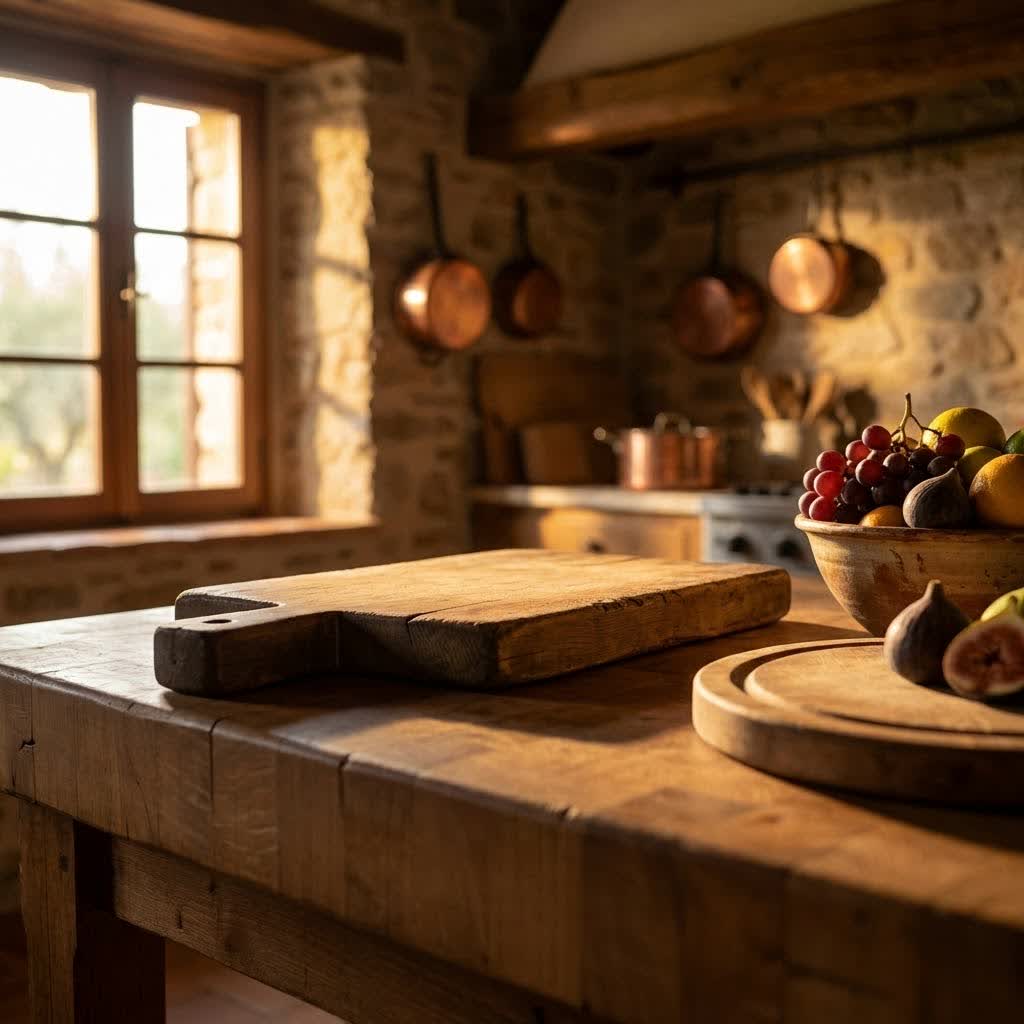
Types of Cutting Boards Explained
Understanding the characteristics of different cutting board materials is the first step to making a smart choice. Each type offers a unique set of advantages and disadvantages for various kitchen tasks.
Wooden Cutting Boards
Wooden cutting boards are a timeless staple in kitchens worldwide, prized for their natural beauty and durability.
- Pros: Wood is remarkably gentle on knife blades, helping to maintain sharpness over time. High-quality wooden boards, especially those made from specific wood types, can be incredibly durable and are often considered naturally antibacterial. They also offer an aesthetically pleasing addition to any kitchen countertop. With proper care, they can last for many years.
- Cons: Wooden boards tend to be heavy and require more diligent maintenance, including regular oiling, to prevent drying, warping, or cracking. They are generally not dishwasher safe and can be more expensive upfront than other materials.
- Common Wood Types:
- Maple: A popular choice for its balance of hardness and self-healing properties, making it excellent for knives.
- Walnut: Softer than maple, walnut is very kind to knife edges and boasts a beautiful, rich color.
- Teak: A durable, water-resistant option that is also good for knives, though some types can be quite hard.
- Acacia: Known for its striking grain and durability, but some varieties can be harder on knife edges than maple or walnut.
- End-Grain vs. Edge-Grain:
- End-Grain: In end-grain boards, the wood fibers are oriented vertically, like miniature tree trunks. When a knife cuts into the surface, the blade slides between these fibers, which helps preserve the knife’s edge and allows the wood to “heal” itself, making it highly durable and gentle on blades. These boards typically require more frequent oiling.
- Edge-Grain: Edge-grain boards are made by gluing strips of wood together with the grain running horizontally. While still durable, the knife blade cuts across the wood fibers, which can be slightly harder on knives over time. They are generally less prone to moisture absorption and cracking compared to end-grain boards.
- Wood Cutting Board Care & Maintenance: Wooden boards thrive with consistent care. They should be hand-washed with warm, soapy water immediately after use, ensuring all sides are wet to prevent uneven moisture absorption and warping. Prompt drying with a towel and allowing them to air dry on their edge is crucial. Regular conditioning with food-grade mineral oil, followed by a board cream or wax, is essential to keep the wood hydrated, prevent cracking, and create a protective barrier against moisture and bacteria.
|
Our Picks for the Best Cutting Board in 2026
As an Amazon Associate I earn from qualifying purchases.
|
||
| Num | Product | Action |
|---|---|---|
| 1 | Bamboo Cutting Boards for Kitchen [Set of 3] Wood Cutting Board for Chopping Meat, Vegetables, Fruits, Cheese, Knife Friendly Serving Tray with Handles |
![Check Bamboo Cutting Boards for Kitchen [Set of 3] Wood Cutting Board for Chopping Meat, Vegetables, Fruits, Cheese, Knife Friendly Serving Tray with Handles on Amazon](https://reviewerpri.com/wp-content/plugins/amazon-tables/assets/images/buy.png)
|
| 2 | Acacia Wood Cutting Board with Handle, 16x8 Inch Large Kitchen Chopping Board for Meat and Cheese, Butcher Block Serving Tray for Charcuterie, Bread and Fruit |
|
| 3 | GORILLA GRIP BPA-Free Reversible Kitchen Cutting Board Set of 3, US Designed, Nonporous, Juice Grooves Catch Liquid, Slip Resistant Border, Dishwasher Safe, Durable Large Food Chopping Boards, Black |
|
| 4 | Keechee Bamboo Cutting Board, Durable Wood Cutting Boards for Kitchen with Deep Juice Grooves & Built-in Handles, Ideal Charcuterie & Chopping for Meat, Vegetables and Fruits Ideal Kitchen Gifts |
|
| 5 | Bamboo Cutting Boards for Kitchen, Extra Large Wood Cutting Board with Deep Juice Groove and Handle Heavy Duty Chopping board, Kikcoin, 17.6" x 12" |
|
| 6 | Extra Large Cutting Boards, Plastic Cutting Boards for Kitchen (Set of 3) Cutting Board Set Dishwasher Chopping Board with Juice Grooves Easy-Grip Handles, Dark Grey, Empune |
|
| 7 | Kikcoin Extra Large Bamboo Cutting Boards, (Set of 3) Chopping Boards with Juice Groove Bamboo Wood Cutting Board Set Butcher Block for Kitchen, End Grain Serving Tray |
|
| 8 | Checkered Acacia Wood Cutting Board for Kitchen – Wooden Chopping Board, Durable Checkered Charcuterie Board for Meat, Fruit, Cheese & Vegetables, 16" x 11" x 1" |
|
| 9 | Titanium Cutting Board for Kitchen, Cutting Board Double Sided Food Grade, Pure Titanium/PP, Easy to Clean Large Size 16”×11” |
|
| 10 | Bamboo Cutting Board for Kitchen Meal Prep & Serving, 3-Piece Wooden Set with Juice Grooves, Side Handles, Non-Slip Mats – Ideal for Meat, Veggies, Fruit – Ideal Gift for the Home |
|
Plastic Cutting Boards
Plastic cutting boards are ubiquitous in both home and professional kitchens due to their convenience and versatility.
- Pros: Plastic boards are lightweight, affordable, and easy to clean, with many being dishwasher safe. They are often color-coded, which helps prevent cross-contamination when preparing different types of food (e.g., raw meat on one, vegetables on another).
- Cons: These boards can be quite hard on knife edges, leading to faster dulling. They also tend to scratch and gouge easily, creating grooves that can harbor bacteria if not cleaned thoroughly or replaced regularly. Compared to wood, they generally have a shorter lifespan.
- Common Plastic Types: High-Density Polyethylene (HDPE) and Polypropylene (PP) are common. HDPE is preferred for its superior durability and resistance to heavy use.
- Hygiene and Replacement Considerations: Due to the potential for deep knife cuts to trap bacteria, plastic boards require diligent sanitization. While dishwasher-safe properties aid in this, heavily scarred boards should be replaced to maintain food safety.
Bamboo Cutting Boards
Often seen as an eco-friendly alternative, bamboo cutting boards offer a blend of wood-like aesthetics and practical benefits.
- Pros: Bamboo is a sustainable, fast-growing resource, making it an environmentally conscious choice. It is lightweight, durable, and generally resistant to knife marks. When properly cared for, bamboo boards can be quite long-lasting.
- Cons: Bamboo can be denser and harder than some woods, meaning it can be tougher on knife edges. Some bamboo boards might have “nodes” that can affect the smoothness of the cutting surface.
- Sustainability Aspect: Bamboo’s rapid growth and minimal need for pesticides make it a sustainable option for those prioritizing environmental impact.
- Care & Maintenance for Bamboo: Similar to wood, bamboo boards should be hand-washed with warm, soapy water and dried immediately. Regular oiling with food-grade mineral oil helps prevent drying and cracking, maintaining its integrity.
Composite Cutting Boards
Composite cutting boards are a newer category, often made from compressed wood fibers or similar materials, designed to mimic some properties of wood while offering easier care.
- Pros: These boards often combine the thin profile and dishwasher-safe convenience of plastic with a wood-like appearance and feel. Many are made from recycled or sustainable materials, adding to their appeal. They are generally durable and resistant to warping.
- Cons: Depending on the specific composite material, these boards can vary in hardness. Some composite boards can be quite firm, potentially dulling knives faster than softer woods.
- What they are (wood fiber composite): Typically made from layers of wood fiber saturated with resin and then compressed, creating a dense, non-porous material.
Glass, Stone, and Metal Cutting Boards
While visually appealing, materials like glass, stone, marble, ceramic, and stainless steel are widely discouraged for use as cutting surfaces.
- Why to avoid them for knife longevity: These materials are significantly harder than steel, meaning they will rapidly dull, chip, or even damage your knife blades. They offer no “give” when cutting, making them incredibly unforgiving on valuable kitchen knives. Their primary use in the kitchen should be as trivets or serving platters, not for chopping.
Comprehensive Comparison of Cutting Board Materials
Choosing the right cutting board involves balancing various factors. Here’s a comparative overview to help guide your decision:
| Feature | Wood (End-Grain) | Plastic (HDPE) | Bamboo | Composite (Wood Fiber) |
|---|---|---|---|---|
| Durability | Excellent, with proper care; can be refinished | Moderate; prone to deep scratches, requires replacement | Good; dense and resistant to marks | Good; resistant to warping and cracking |
| Knife-Friendly | Excellent (least damaging) | Fair (dulls knives faster) | Good (can be harder than softer woods) | Moderate (can dull knives depending on hardness) |
| Hygiene | Naturally resistant; needs oiling to seal cuts | Good (dishwasher safe); replace when deeply scarred | Good; less porous than wood, but needs proper drying | Excellent (non-porous, often dishwasher safe) |
| Maintenance | High (hand wash, oil, cream regularly) | Low (dishwasher safe) | Medium (hand wash, occasional oiling) | Low (often dishwasher safe) |
| Aesthetics | Excellent (natural, can be displayed) | Poor to Moderate (utilitarian) | Good (natural, modern look) | Good (sleek, modern, wood-like) |
| Price | High | Low | Medium | Medium |
Recommendations for Specific Needs:
- For Knife Enthusiasts: An end-grain wooden board is unparalleled for preserving knife sharpness.
- For Raw Meats & Poultry: Plastic (especially color-coded) is often preferred due to ease of sanitization in a dishwasher. Ensure it’s replaced when deeply scarred.
- For Vegetables & Fruits: Wood, bamboo, or composite boards work well. Consider having a separate board for produce to avoid cross-contamination.
- For Bread & Light Tasks: Any material can work, but a small, flexible board can be convenient.
- For General All-Purpose Use: A good quality, thick wooden board or a high-density plastic board if dishwasher convenience is a priority. Many kitchens benefit from having both wood and plastic options.
Your Essential Cutting Board Buying Guide
Choosing the right cutting board involves more than just picking a material. Consider these key factors to ensure it perfectly fits your kitchen and cooking style.
Determine Your Kitchen Needs
Before you buy, take stock of your culinary habits and kitchen space.
- What will you cut? Will the board be primarily for slicing raw meats, chopping vegetables, dicing herbs, or an all-purpose surface? If you handle raw proteins frequently, having a dedicated board (often plastic for easier sanitization) is crucial for preventing cross-contamination.
- Ideal Size and Thickness for Your Space: Rectangular boards are generally the most practical. A common and versatile size is around 12×18 inches. Consider your counter space for daily use and storage options. Thicker boards (1.25 to 2 inches for wood, and at least 2 inches for end-grain) are more stable and durable, but also heavier. Ensure plastic boards fit in your dishwasher if that’s a key cleaning method for you.
- Budget Considerations: Plastic boards are typically the most economical, while high-quality wooden butcher blocks represent a more significant investment. Balance your budget with your desire for durability, aesthetics, and knife preservation.
Understanding Material Impact
The material of your cutting board directly affects its performance and longevity, as well as the lifespan of your knives.
- Knife Safety and Blade Preservation: Prioritize softer materials like wood (especially end-grain) or good-quality, non-scoring plastic. Hard surfaces like glass or stone will quickly dull and damage your knife blades.
- Ease of Cleaning and Sanitization: If dishwasher-safe convenience is paramount, plastic or composite boards are your best bet. If you opt for wood or bamboo, be prepared for hand-washing and diligent drying.
- Long-Term Durability and Longevity: Wood and bamboo boards, with proper maintenance, can last decades. Plastic boards, while durable for a time, will eventually accumulate deep grooves and need to be replaced for hygiene reasons.
Key Features to Look For
Beyond material, certain design elements can enhance a cutting board’s functionality.
- Juice Grooves: These channels around the perimeter are excellent for carving roasted meats, slicing juicy fruits, or anything that releases liquids, preventing spills onto your counter. If you don’t frequently work with wet foods, a flat board offers more usable surface area.
- Non-Slip Elements: Some boards come with rubber feet or non-slip edges to keep them stable during use. Alternatively, placing a damp paper towel or a non-slip mat underneath any board works wonders to prevent shifting.
- Handles and Portability: Integrated handles or cut-outs can make it easier to lift, move, and clean larger or heavier boards.
Using and Maintaining Your Cutting Boards for Longevity
Proper care is paramount to maximizing the life and hygiene of your cutting boards.
Daily Cleaning Practices
Effective cleaning immediately after use is the first line of defense against bacteria.
- Hand washing vs. Dishwasher safe: Wooden and bamboo boards should always be hand-washed with warm, soapy water. Never submerge them or put them in a dishwasher, as prolonged exposure to heat and moisture will cause them to warp, crack, or split. Plastic and composite boards are often dishwasher safe, offering convenient sanitization.
- Drying properly: After washing, dry your board thoroughly with a clean towel. For wood and bamboo, it’s essential to let them air dry standing on their edge to ensure even airflow and prevent moisture from pooling, which can lead to warping.
Deep Cleaning and Sanitization
Beyond daily washing, occasional deep cleaning is beneficial.
- Addressing odors and stains: For stubborn odors on wooden boards, rub the surface with coarse salt and half a lemon, let it sit for a few minutes, then rinse and dry. For stains, a paste of baking soda and water can be effective.
- When to disinfect: For wooden boards, a solution of one part vinegar to five parts water can be used for periodic sanitization. For plastic boards, especially after cutting raw meat, a dishwasher cycle typically provides sufficient sanitization. Remember to replace plastic boards once they develop deep, irreparable grooves that can harbor bacteria.
Essential Conditioning for Wood and Bamboo
These natural materials require specific care to stay healthy and functional.
- The importance of mineral oil and board cream: Food-grade mineral oil penetrates the wood, hydrating it from within and preventing it from drying out and cracking. Board cream or wax, applied after oil, creates a protective barrier on the surface, sealing in moisture and helping to repel liquids and fill tiny knife scars.
- Application frequency and method: Apply food-grade mineral oil monthly, or whenever your board looks or feels dry. Be generous, allowing it to soak in for several hours or even overnight. Follow with a thin layer of board cream, buffing it into the wood. Ensure all sides and edges are treated.
When to Replace Your Cutting Board
Knowing when to retire a cutting board is critical for food safety.
- Signs of wear and tear, especially for plastic: Plastic boards with deep, unrepairable grooves should be replaced, as these cuts are difficult to clean and can become breeding grounds for bacteria. Wooden boards can often be sanded down and re-oiled to extend their life, but significant cracks or warping indicate it’s time for a new one.
Frequently Asked Questions
Which cutting board material is best for preserving knife sharpness?
End-grain wooden cutting boards are widely considered the best for knife sharpness. The vertical wood fibers allow the knife blade to glide between them, reducing wear and tear on the edge compared to cutting across horizontal fibers or against hard plastic.
How do I prevent cross-contamination with my cutting boards?
To prevent cross-contamination, use separate cutting boards for raw meats and poultry, cooked foods, and produce. Color-coded plastic boards are excellent for this. Always wash boards thoroughly with hot, soapy water immediately after use, especially after cutting raw proteins.
Can I put my wooden cutting board in the dishwasher?
No, you should never put a wooden cutting board in the dishwasher. The intense heat and prolonged exposure to water in a dishwasher will strip the wood of its natural oils, leading to warping, cracking, and splitting, significantly shortening its lifespan.
What is food-grade mineral oil, and why is it important for cutting boards?
Food-grade mineral oil is a non-toxic, non-drying oil specifically designed for surfaces that come into contact with food. It’s crucial for wooden and bamboo cutting boards because it penetrates and hydrates the wood, preventing it from drying out, cracking, and becoming brittle. Unlike cooking oils, mineral oil does not go rancid.
How often should I oil my wooden cutting board?
The frequency of oiling depends on how often you use and wash your board, but generally, it’s recommended to oil wooden cutting boards once a month, or whenever the wood appears dry or dull to the touch. Consistent oiling is key to its longevity and appearance.
Choosing the right cutting board is a pivotal decision for any home chef, influencing everything from knife performance to kitchen hygiene. By understanding the unique properties of wood, plastic, bamboo, and composite materials, and by committing to proper care and maintenance, you can select a cutting board that serves your needs reliably for years to come. What will be the next cutting board to grace your kitchen counter?
